Iran Suspends Seasonal Rice Import Ban Under Wartime Conditions
Iran has lifted its seasonal restriction on foreign rice imports despite the domestic harvest. The industry association says the wartime measure is intended to protect supply in a market that regularly depends on imports for part of its needs.
Imports return during the domestic harvest
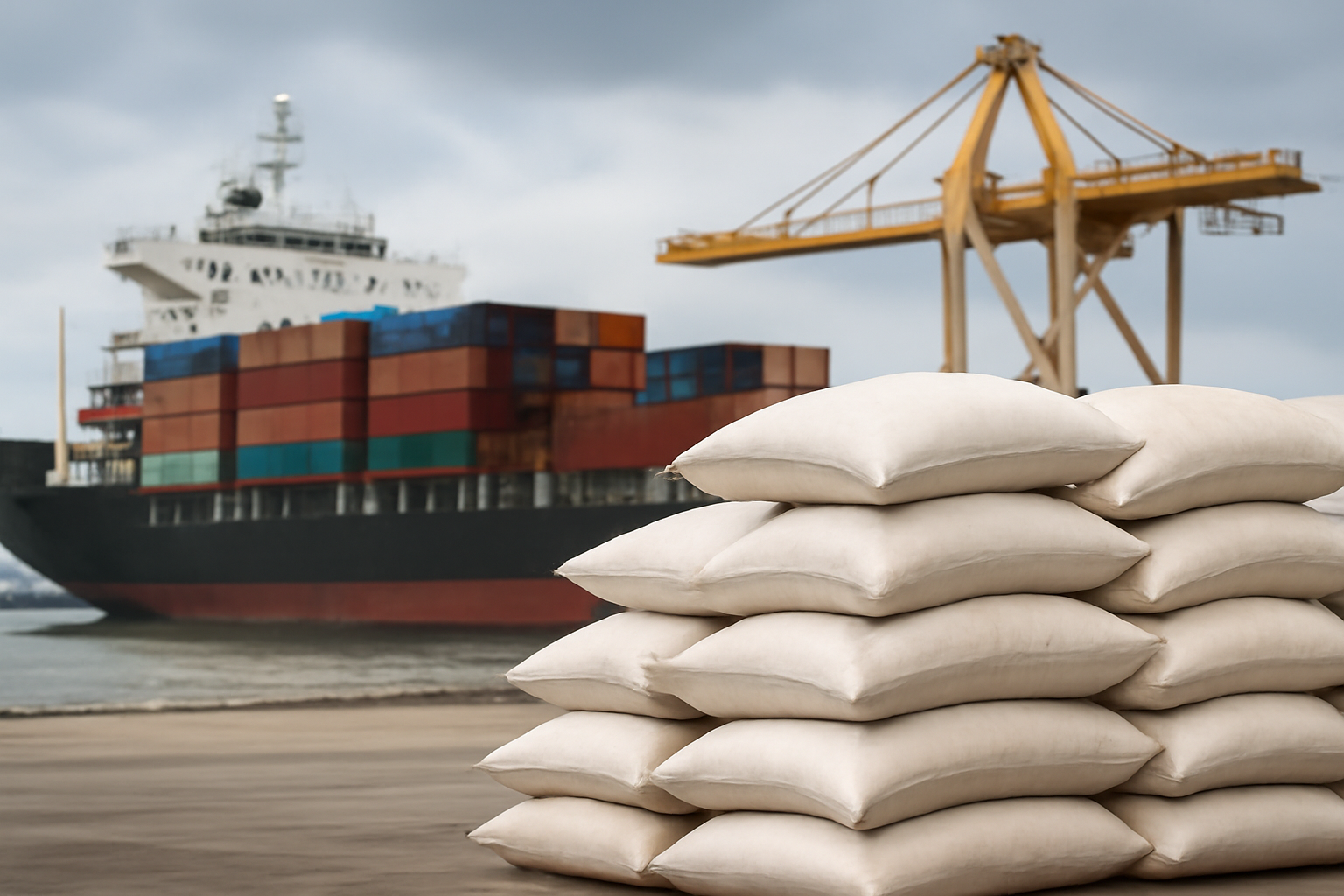
Iran has suspended its seasonal ban on rice imports, allowing foreign supplies to enter the country during the domestic harvest. The change was reported by ISNA, citing the head of Iran’s association of rice producers and suppliers, who linked the decision to wartime conditions.
The seasonal restriction ordinarily limits competition from imported rice when Iranian farmers are bringing their crop to market. Its removal changes the timing of foreign purchases rather than eliminating an import barrier permanently. The available source material does not specify how long the suspension will remain in force, when shipments may arrive or whether authorities have established any volume limits.
Supply security takes priority
The association’s chairman said Iran has always covered part of its rice requirements through imports. That dependence gives foreign supply an established role in the market, even when policies are designed to protect domestic growers during harvest. Under the current conditions, officials have accepted the risk of greater competition for local rice in order to keep access to imported product open.
The decision could give importers and distributors more flexibility to arrange purchases without waiting for the domestic harvest period to end. It may also help processors, wholesalers and retailers maintain access to alternative supplies if internal transport or availability becomes less predictable. ISNA’s report, however, provides no figures for domestic production, consumption, inventories, import requirements, prices or contracted cargoes, so the immediate size of the supply effect cannot be quantified.
Local growers face additional competition
For Iranian producers, the timing is sensitive. Imported rice arriving while the domestic crop is being marketed can expand the volume available to buyers and weaken growers’ negotiating position. The actual impact will depend on shipment volumes, import costs, consumer preferences and the speed at which foreign rice reaches wholesale and retail channels. None of those details was included in the supplied report.
The policy therefore reflects a direct trade-off between harvest-season protection and continuity of supply. Importers gain a wider purchasing window, while local farmers lose a temporary layer of insulation from foreign competition. Market participants will now watch for implementing rules, the duration of the suspension and evidence of new cargoes. Without those details, the clearest conclusion is limited but significant: under wartime conditions, Iran is placing immediate access to rice above the normal seasonal restriction.