Iran Starts Used-Car Import Program With 700 Vehicles En Route or at Customs
Iran has registered orders for about 1,000 used vehicles worth nearly $10 million, with roughly 700 units in transit or at customs. The government is targeting 20,000 used-car imports in 1405, but customs clearance, foreign currency, standards and after-sales support remain potential constraints.
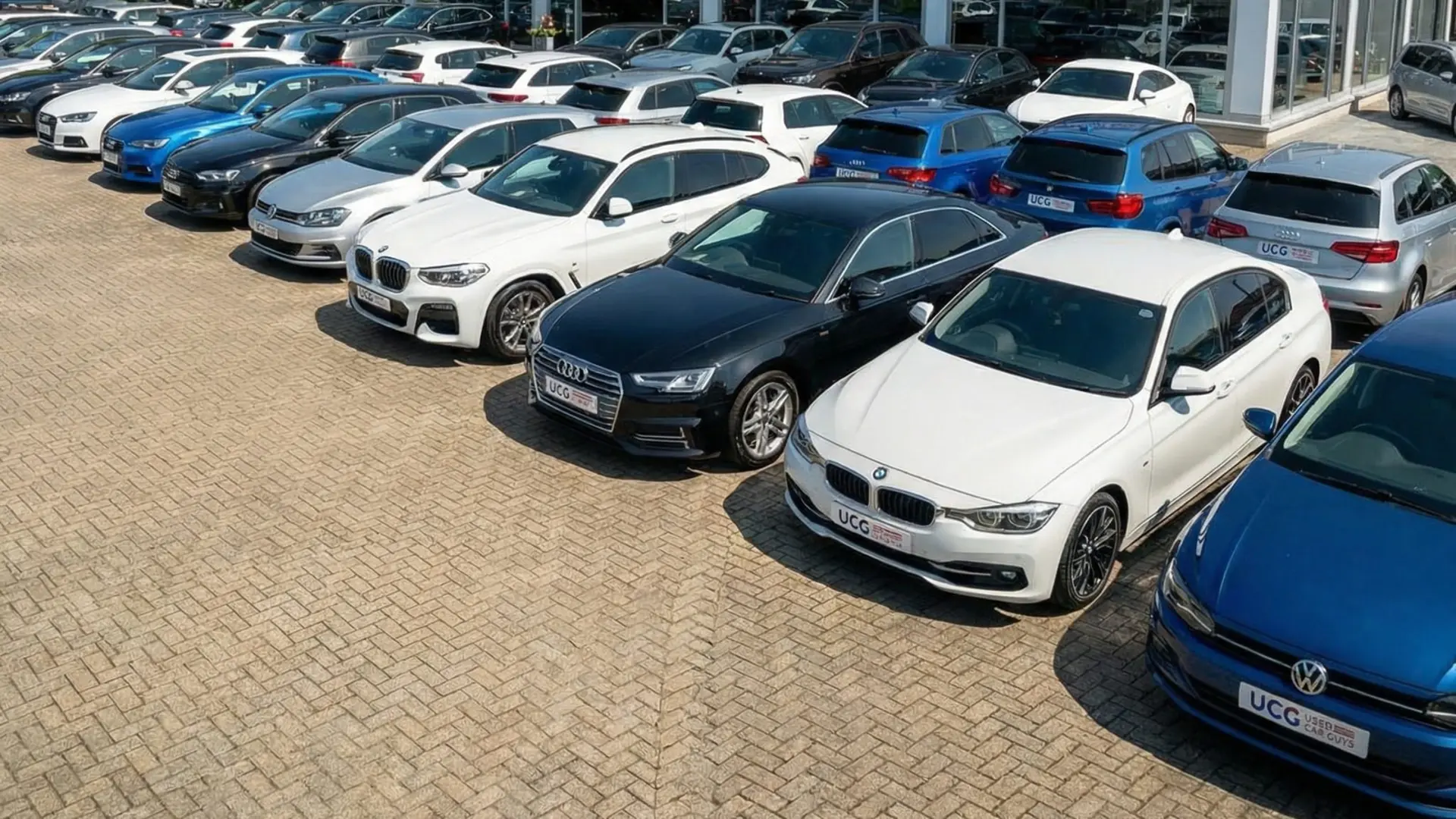
Imports move from regulation to execution
Iran has begun implementing its used-car import program after several years of legislation, official promises and delays. About 1,000 vehicles have received order registrations, while roughly 700 are either being transported to Iran or have reached the country’s customs facilities, according to Iranian automotive publication Pedal.
Mohammad Ali Hajizadeh, director general of the Automotive Industries Office at the Ministry of Industry, Mine and Trade, said the registered vehicles have a combined value of nearly $10 million. The initial volume is small compared with Iran’s car market, but it marks the program’s transition from regulation to physical vehicle movements.
Vehicles in transit or at customs are not yet available to buyers. They must still pass valuation, standards checks, customs clearance, registration and licensing procedures. Delays at any of these stages could widen the gap between registered orders and vehicles delivered to the retail market.
Age, value and servicing rules shape supply
Eligible used vehicles must be between 3 and 5 years old and have an import value no higher than €13,000. The rules therefore direct the program toward lower-cost vehicles rather than luxury models. The ceiling refers to the vehicle’s value during importation, not its final retail price in Iran.
Freight, insurance, duties, taxes, customs charges, registration expenses and importer margins can all raise the final price. A vehicle valued at €10,000 to €13,000 will consequently not reach Iranian consumers at a price calculated by simply converting its euro value into local currency.
The ministry has not imposed a specific brand restriction, but importers must be able to provide after-sales service in Iran. That requirement may narrow the practical range of eligible models because vehicles meeting the age, price and technical criteria could still be excluded if spare parts and service networks are unavailable.
Scale will determine the market impact
The ministry has proposed a target of 20,000 used-vehicle imports for 1405. Reaching it would require a substantial acceleration from the approximately 1,000 orders registered so far. Foreign-currency provision, shipping, standards approval, customs processing, registration and after-sales capacity will determine whether imports can develop into a steady supply channel.
Pedal said the first 700 vehicles are too few to cause a broad price decline in a market measured in hundreds of thousands of units. Their arrival could nevertheless affect expectations and encourage discounts in segments that compete directly with imported used cars. If volumes approach the official target, 3-to-5-year-old foreign vehicles could compete with domestically produced cars and locally assembled Chinese models on quality, safety, equipment and powertrain options.
The main risk is that imports remain intermittent, with only hundreds or a few thousand vehicles arriving every several months. Under that scenario, imported used cars would add variety and serve a limited group of buyers without materially changing market-wide supply. The program’s effect will ultimately depend on the number of vehicles cleared, the speed of delivery and their final consumer prices.