Iran says strategic commodity reserves are secure as supply pressure persists
Iranian officials say strategic reserves have helped keep essential commodity markets stable during renewed military and economic pressure. The report provides no reserve volumes, commodity breakdown or independent market data to substantiate the claim.
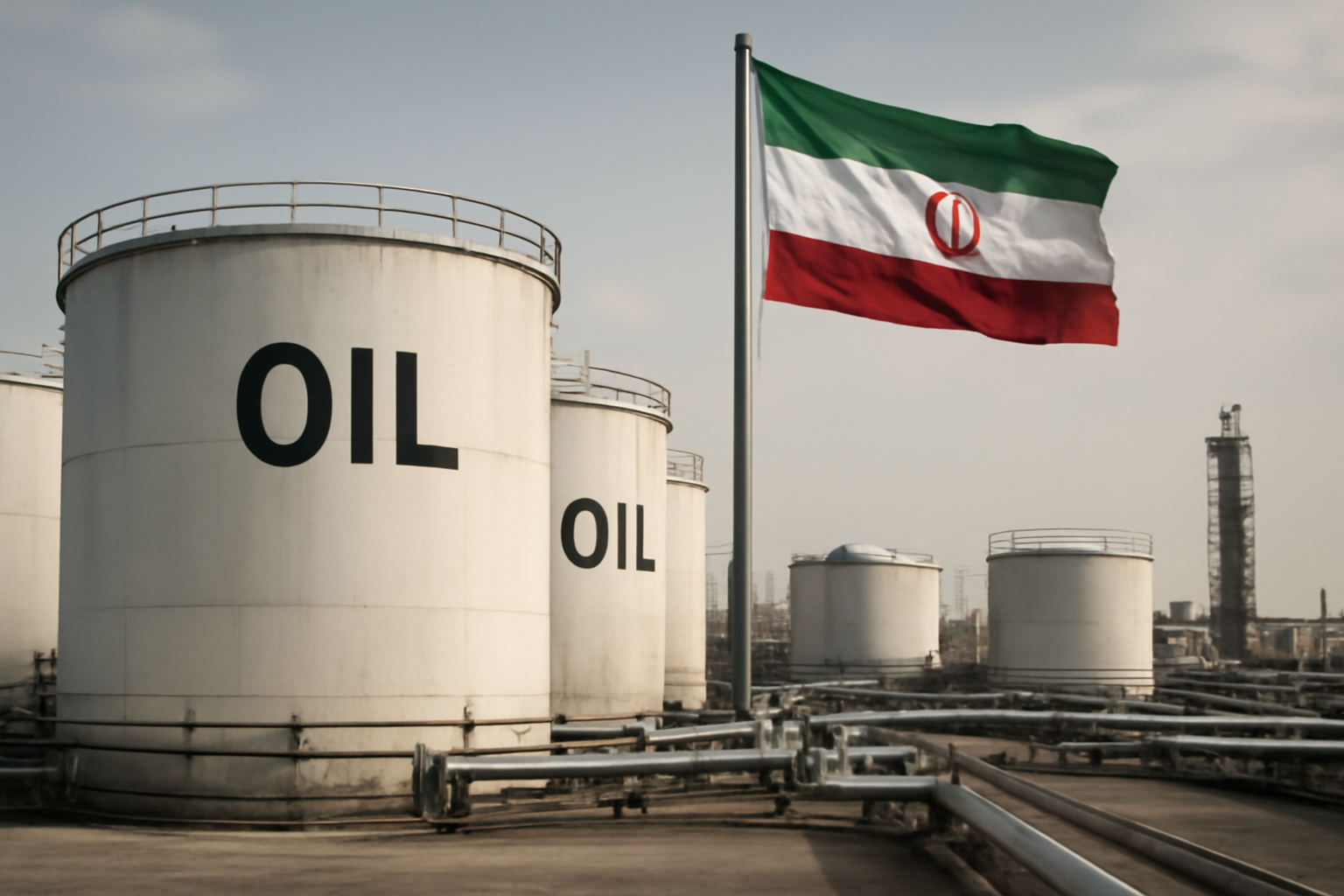
Iran reports stability in essential commodity markets
Iran says its strategic commodity reserves remain secure and that domestic markets for essential goods are operating steadily despite renewed military and economic pressure. The assertion was reported by Hamshahri Online, which presented the condition of the reserves as evidence that efforts to disrupt supplies inside the country had failed.
According to the publication, Iran has faced combined military and economic pressure for the third time within a year. It described interference with supplies to the domestic market as a principal objective of that pressure, while saying the latest attempt had again been unsuccessful.
The report did not identify the commodities held in the strategic reserve system. It also gave no figures for available stocks, storage capacity, consumption coverage, procurement volumes or the dates on which inventories were assessed. No official price series, retail availability indicators or independent estimates accompanied the stability claim.
Reserves serve as a buffer against disruption
Strategic reserves can allow authorities to release goods when normal procurement or distribution is interrupted. For producers, processors and merchants, the effectiveness of such a buffer depends on the quantity and condition of stocks, the speed of releases and the ability of transport and retail networks to move supplies to consumers.
Hamshahri Online's account indicates that Iranian authorities regard reserve security as central to maintaining the supply of basic goods. However, the absence of commodity-level information makes it impossible to determine which markets are adequately covered or how long existing inventories could support demand if pressure continues.
The distinction matters for market participants because conditions can vary sharply among essential commodities. A broad statement about secure reserves does not establish whether individual supply chains face the same level of risk. Importers and processors would need details on inventory levels, replacement purchases and distribution schedules to assess near-term availability.
Market impact remains difficult to measure
The claim of stability suggests that officials have not observed a breakdown in the domestic supply system severe enough to undermine the availability of essential goods. It does not, on its own, show whether procurement costs, wholesale prices or retail prices have changed under the economic pressure described in the report.
No information was provided about foreign suppliers, payment arrangements, shipping routes or import volumes. The source also did not state whether stability was achieved through releases from reserves, continued commercial purchases, domestic production or a combination of these channels.
Those omissions limit the conclusions that traders and investors can draw. Secure stocks can reduce the immediate risk of shortages, but replenishing them may become more difficult if economic pressure affects financing, transport or access to external supply. Without data on withdrawals and replacement purchases, the durability of the reported stability cannot be assessed.
More disclosure needed to verify the claim
For producers and processors, the most useful indicators would include the commodities covered, current inventory volumes, expected consumption coverage and the timetable for further procurement. Traders would also look for evidence from wholesale prices, delivery times and physical availability across different regions.
Hamshahri Online's report therefore establishes the Iranian position: strategic reserves are secure, essential commodity markets remain stable and attempts to disrupt domestic supply have not achieved their objective. It does not provide enough quantitative detail to independently verify the scale of the reserves or measure how resilient individual commodity markets would be under prolonged pressure.