Iran Retains Subsidy Support for Pasta and Industrial Bread Producers
Iran’s support system for wheat consumption continues to cover pasta and industrial bread producers, IRNA reported. The policy links these manufacturers to the broader wheat and flour support framework, although the report does not specify subsidy rates or allocation volumes.
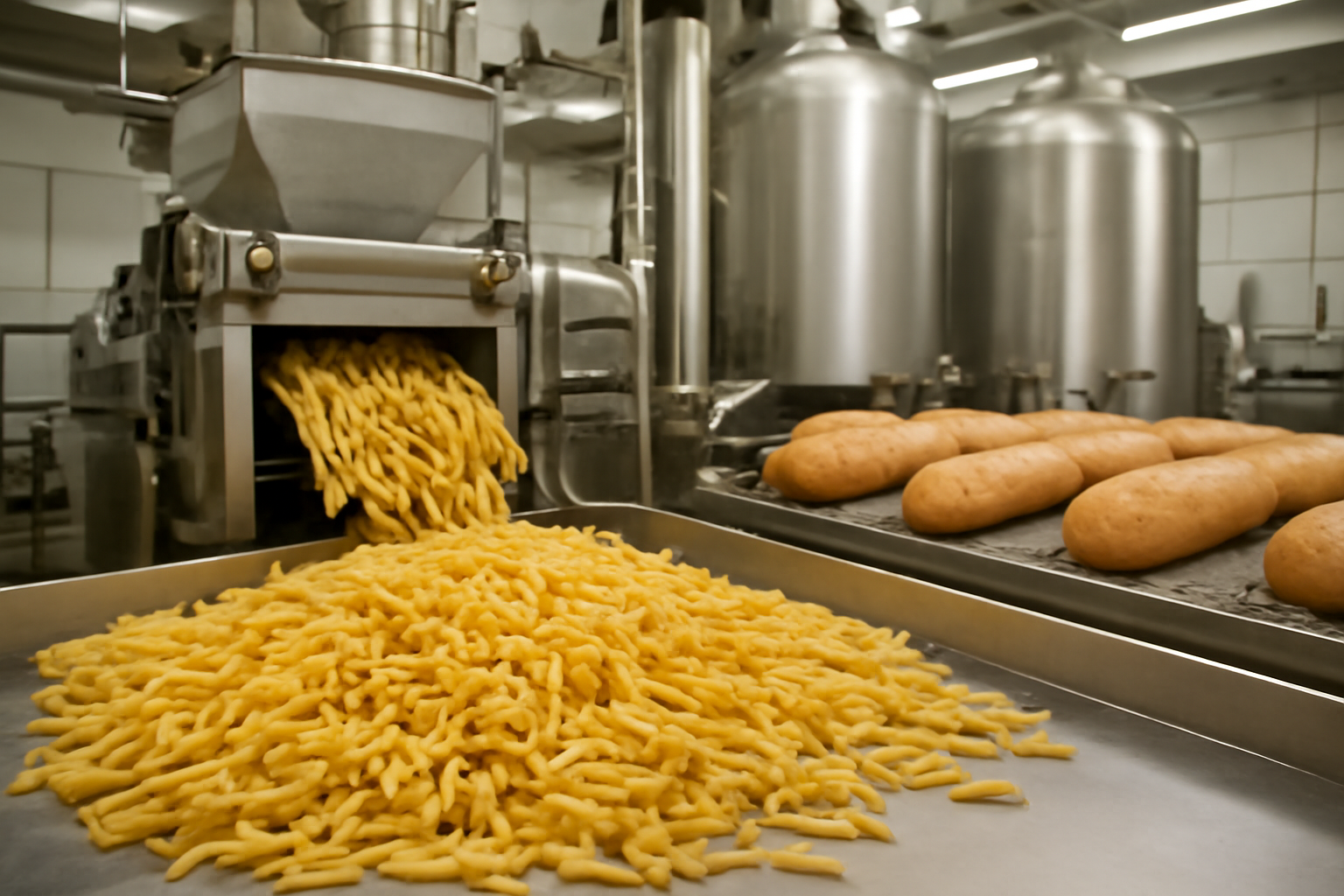
Pasta and industrial bread remain covered
Iranian producers of pasta and industrial bread remain eligible for government support connected with wheat consumption, according to a report by the Islamic Republic News Agency, or IRNA. The covered bread segment includes industrial, bulky and semi-bulky products, alongside pasta manufacturing.
The vice-chairman of Iran’s flour industry trade associations said the government applies different support models to separate categories of wheat consumption. Traditional bread is therefore not the only part of the wheat-processing chain receiving state assistance. Pasta and industrial bread producers continue to fall within the supported framework, although the report did not disclose subsidy rates, flour prices, eligibility thresholds or the volume of wheat allocated to each category.
Flour policy shapes manufacturing costs
Wheat and flour are core inputs for all the industries covered by the measure. Continued support can limit the immediate exposure of manufacturers to changes in the cost of procuring these raw materials. For pasta factories and industrial bakeries, the commercial effect will depend on how the assistance is delivered, how much wheat or flour is available and whether supply reaches factories consistently.
The distinction between consumer categories matters because Iran’s wheat-support system does not treat every buyer in the same way. Separate arrangements can create different input costs for traditional bakeries, industrial bread plants and other food processors. For manufacturers, that affects production planning, working-capital requirements and decisions on product pricing. For flour mills, it influences the mix of customers served under supported and other supply channels.
Price effects depend on implementation
Keeping pasta and industrial bread inside the support system may help contain pressure on factory costs and retail prices, but the IRNA report provides no numerical basis for estimating the effect. It does not state whether the level of support has changed, whether producers will receive the same terms as before or how long the current arrangements will remain in force. The announcement should therefore be read as confirmation of continued coverage rather than evidence of a new subsidy increase.
Producers and distributors will now focus on the operating rules behind that coverage. Reliable access to supported wheat or flour would give factories greater visibility over output and pricing. Delays, restricted allocations or differences between official eligibility and actual deliveries could weaken that benefit. Importers and grain traders may also be affected if domestic industrial demand is partly met through state-supported supply, but IRNA did not provide information on imports, origins or trade volumes. The immediate significance is that pasta and industrial bread remain within Iran’s food-support policy rather than being moved entirely outside it.