Iran Retail Chamber chief proposes full liberalization of flour market
Iran Retail Chamber President Ghasem Nodeh Farahani has proposed ending the country’s dual-price flour system and transferring subsidies directly to household income groups. He argues that the current model has failed to satisfy the government, consumers or bakers despite substantial public support.
Proposal targets dual flour pricing
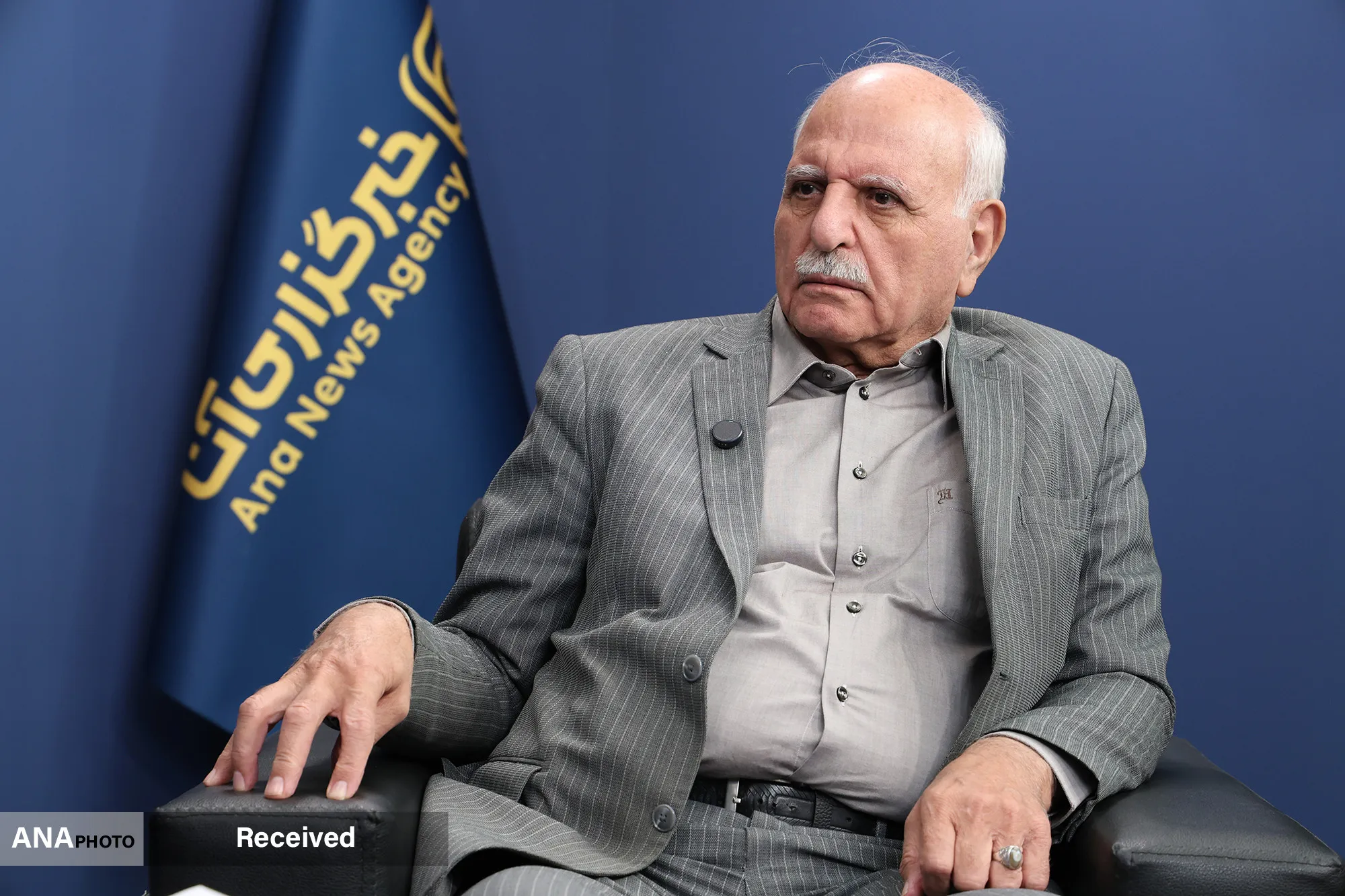
Iran Retail Chamber President Ghasem Nodeh Farahani has proposed fully liberalizing flour prices and transferring government support directly to household income groups. In an interview with ANA News Agency, he identified the coexistence of subsidized and free-market bakeries as the central problem in Iran’s bread market. Under his proposal, bakers would obtain wheat themselves, while eligible consumers would receive subsidies directly from the government.
The proposal is personal and has not been presented as an adopted government policy. It nevertheless adds a clear option to a debate that Nodeh Farahani said has continued for 17-18 years without satisfying the government, consumers or bakers. Iran provides substantial subsidies for flour and bread, but persistent complaints concern both retail prices and product quality.
Nodeh Farahani stressed that bakeries control only the baking stage. They do not manage flour supply or wheat cultivation. He said flour accounts for 8% of the bread price, while the balance comes from water, electricity, gas, labor and rent. That cost structure means subsidizing flour alone cannot shield bakeries from increases in their other operating expenses.
Frozen prices affected bread weight
According to Nodeh Farahani, bakers were required for several years to continue selling at previous prices without receiving new approved rates. When their costs were no longer covered, some reduced the weight of dough portions. Members of parliament have recently intervened, and a new pricing process based on an expert assessment by the Consumer and Producer Protection Organization is intended to restore compliance with standard bread weights.
The account highlights the tension between regulated consumer prices and bakery economics. If flour represents only 8% of the final price, controlling its cost leaves bakeries exposed to changes in wages, rent and utilities. Lower loaf weights can then become an informal adjustment mechanism when official prices do not reflect those expenses.
Full liberalization would shift support away from a subsidized production input and toward selected households. It could remove the price difference between flour supplied to subsidized bakeries and flour used by free-market operators. For millers, wheat suppliers and bakers, however, the commercial effect would depend on how wheat procurement, flour pricing and household payments were designed. ANA reported no implementation timetable, subsidy amount or formal decision.
New body addresses wider retail-sector barriers
Nodeh Farahani also discussed the National Headquarters for Removing Barriers to Guilds, established following an instruction from President Masoud Pezeshkian. The body is chaired by the minister of industry, mines and trade. Authority for commercial and guild affairs has been delegated to Mohammad Mehdi Mofatteh, while Nodeh Farahani serves as secretary and represents the Iran Retail Chamber.
Provincial trade organizations have been told to refer unresolved disputes involving the Ministry of Economic Affairs and Finance, the Social Security Organization, the Governmental Discretionary Punishments Organization or other agencies to the headquarters. Nodeh Farahani also said businesses had earned limited income during the past two years amid war, market recession and currency volatility. He credited tax authorities in the year 1404 with doubling exemptions classified as living expenses, recognizing affected areas and issuing support measures through the Ministry of Industry, Mines and Trade. These broader pressures matter for bakeries because tax obligations and weak demand compound the utility, labor and rental costs that the flour subsidy does not cover.