Iran Reports Two Million Tonnes of Corn at Ports Amid Maritime Pressure
Iran held about 2 million tonnes of corn at its ports through the end of Mordad, according to foreign-trade figures cited by Tasnim News Agency. The stock offers a substantial supply buffer, but intensified maritime restrictions and US pressure could complicate its release and the replenishment of future inventories.
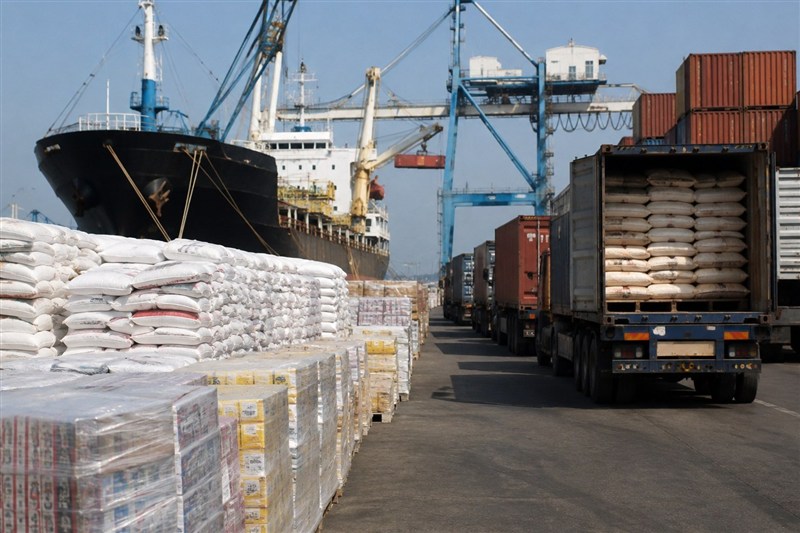
Large corn stock reported at Iranian ports
Iran had about 2 million tonnes of corn stored at its ports through the end of Mordad, according to foreign-trade statistics cited by Tasnim News Agency. The report comes as maritime restrictions and US pressure on the country’s foreign-trade routes have intensified for more than three months.
The reported volume is significant for a country whose livestock and poultry industries depend on regular access to feed grain. Portside stocks can provide a buffer when shipping routes are disrupted, but their practical value depends on whether cargoes can clear customs, receive payment and documentation, and move efficiently from terminals to feed users.
Tasnim did not specify which ports held the corn, the grain’s countries of origin, its ownership or how much had already completed import procedures. It also did not provide a comparison with normal stock levels or domestic consumption. The figure therefore measures the corn physically reported at ports, not necessarily the quantity immediately available to farms and feed mills.
Maritime pressure shifts risk inland
The immediate issue is no longer limited to the arrival of vessels. When a large volume has already reached port, the focus turns to unloading, storage, customs clearance and domestic transport. Delays at any of those stages can increase handling costs and reduce the speed at which supply reaches poultry, dairy and livestock producers.
More than three months of intensified restrictions also raise questions about replacement cargoes. Even if the existing 2 million tonnes are released without major delays, feed buyers need visibility on subsequent shipments. Interruptions to foreign-trade routes can affect vessel availability, insurance, settlement arrangements and the willingness of counterparties to serve the Iranian market.
The source material does not state that the corn has been seized, spoiled or made unavailable. It also provides no evidence of an immediate nationwide shortage. The reported inventory should therefore be viewed as a supply cushion exposed to logistical and financial constraints, rather than proof that the market has either ample usable grain or an acute deficit.
Feed users face uncertainty over timing
For feed manufacturers and livestock producers, the timing of release may matter as much as the headline volume. A predictable flow from ports supports production planning and procurement. Irregular releases can create local shortages or purchasing pressure even while national port inventories remain high.
Importers and traders face a different risk: replacing stocks once the current cargoes leave storage. If maritime and US pressure continues, participants may need longer lead times and larger operational buffers. The lack of detail on origin, quality and customs status also limits any assessment of how evenly the corn can be distributed among end users.
Market impact depends on stock accessibility
The 2 million-tonne figure establishes that Iran has a substantial quantity of corn within its port system. It does not establish the pace at which that grain can enter the domestic feed chain. Market conditions will depend on clearance procedures, inland logistics and the continuity of future imports while pressure on external trade routes persists.
For industry participants, the key indicators will be the rate of port withdrawals and evidence that replacement cargoes can still arrive. Without those details, the stock provides reassurance about physical presence but limited certainty about availability over time.