Iran Removes Quota and Trader-History Limits on Meat Import Registration
Iran will open registration for imports of fresh and frozen beef, veal and lamb from 1 Shahrivar 1405 without volume ceilings or trader-history requirements. The measure broadens access to the import process in a market producing about 900,000 tonnes of red meat and importing an average of 100,000 tonnes annually.
Registration opens without volume ceilings
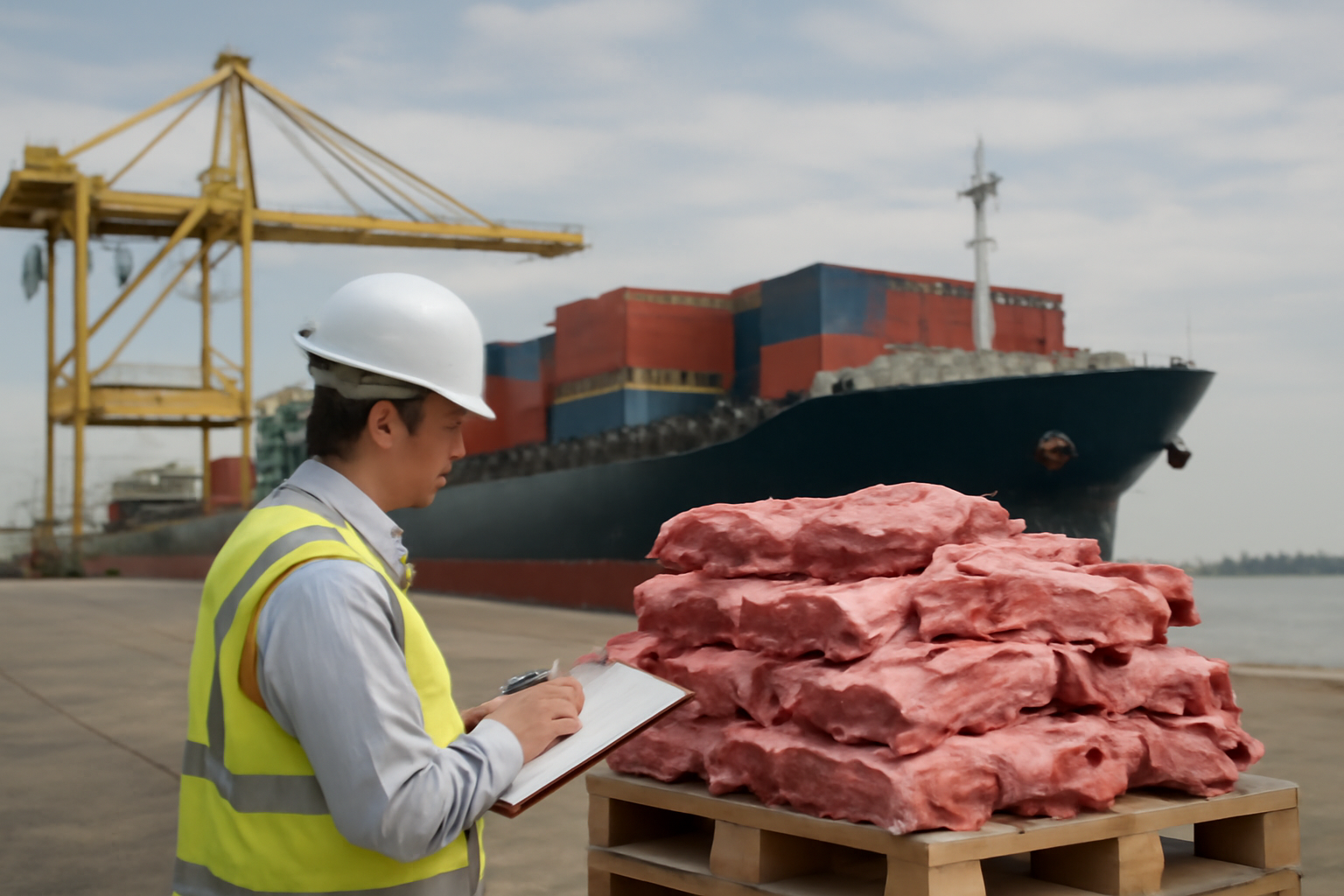
Iran will allow companies to register orders for imports of fresh and frozen beef, veal and lamb from 1 Shahrivar 1405 without applying a volume ceiling or requiring a previous trading record. The Ministry of Agriculture Jihad’s Commercial Development Department announced the change under a Market Regulation Headquarters resolution intended to simplify registration for agricultural imports.
Applicants will be able to submit and track their requests through Iran’s Comprehensive Trade System. The decision concerns access to import registration, a necessary administrative step for bringing goods into the country. The published notices do not specify tariff changes, foreign-currency arrangements, veterinary conditions, eligible countries of origin or a timetable for the arrival of shipments.
A broader pool of importers
Removing the trader-history condition could allow businesses without a previous record in meat imports to enter the registration process. Eliminating the ceiling also means applications will not be restricted by a predefined registration limit at this stage. Together, the changes may increase competition among importers and widen the number of companies seeking supplies from foreign processors and exporters.
The measure does not by itself guarantee that every registered order will become a completed shipment. Importers will still need to secure suppliers, financing, logistics and any other approvals applicable to meat trade. The eventual supply effect will therefore depend on how many registrations proceed to contracting, clearance and distribution. Fresh meat also requires faster transport and a tightly managed cold chain, while frozen products offer importers more flexibility in shipping and storage.
Imports supplement domestic production
IMNA reported that Iran produces about 900,000 tonnes of red meat annually and imports an average of 100,000 tonnes a year according to market requirements. Jahan Sanat News cited the same production and import figures. On that basis, imports represent a supplementary but commercially significant source of supply alongside domestic output.
If the relaxed registration rules generate additional completed purchases, imported meat could improve availability for wholesalers, processors and retailers. A larger pool of registered buyers may also strengthen demand for eligible foreign beef and lamb. The effect on domestic prices cannot yet be quantified because the announcements provide no information on registered volumes, procurement costs, exchange rates or delivery schedules.
Market impact will depend on execution
For Iranian livestock producers, the main issue will be whether registrations translate into greater import volumes and stronger competition in the domestic market. For importers, the immediate change is lower administrative entry barriers rather than a confirmed reduction in landed costs. Overseas suppliers may gain access to more potential Iranian counterparties, but commercial opportunities will depend on payment arrangements, regulatory compliance and cold-chain capacity.
The policy gives authorities a more flexible channel for supplementing red-meat supply when market needs arise. Its practical importance will become clearer after applicants begin using the Comprehensive Trade System and data emerge on approvals and shipments. Until then, the confirmed change is the removal of registration ceilings and trader-history restrictions for the specified fresh and frozen meat categories.