Iran Raises Automotive Standards from 85 to 122 Requirements
Iran has expanded its automotive standards framework from 85 to 122 requirements, with phased implementation planned from Mehr 1406. Manufacturers, component suppliers and importers face new compliance demands covering vehicle platforms, safety systems, electronics, emissions and testing.
Phased introduction scheduled from Mehr 1406
Iran has increased the number of national automotive requirements from 85 to 122, adding 37 standards that could require changes to vehicle platforms, factory equipment and testing infrastructure. Pedal reported that phased implementation is planned to begin in Mehr 1406 under a timetable coordinated with the Ministry of Industry, Mine and Trade and based on a decision by the Supreme Council of Standards.
Farzaneh Ansari, head of the Iran National Standards Organization, said the automotive framework was revised earlier this year because the existing 85 requirements no longer met the industry’s current needs. She said almost 100% of domestically produced vehicles currently comply with those 85 standards, while the organization samples and monitors vehicles during production. The revision therefore raises the threshold for future vehicles rather than indicating that current production broadly fails the existing regime.
Older platforms face the largest investment burden
The requirements cover technical and safety areas including safety equipment, vehicle performance, components, electronics, emissions, tires, braking systems and occupant protection. Ansari said platforms must be upgraded and domestic facilities must be able to test components and accessories. Parts and accessories installed on vehicles will also have to comply.
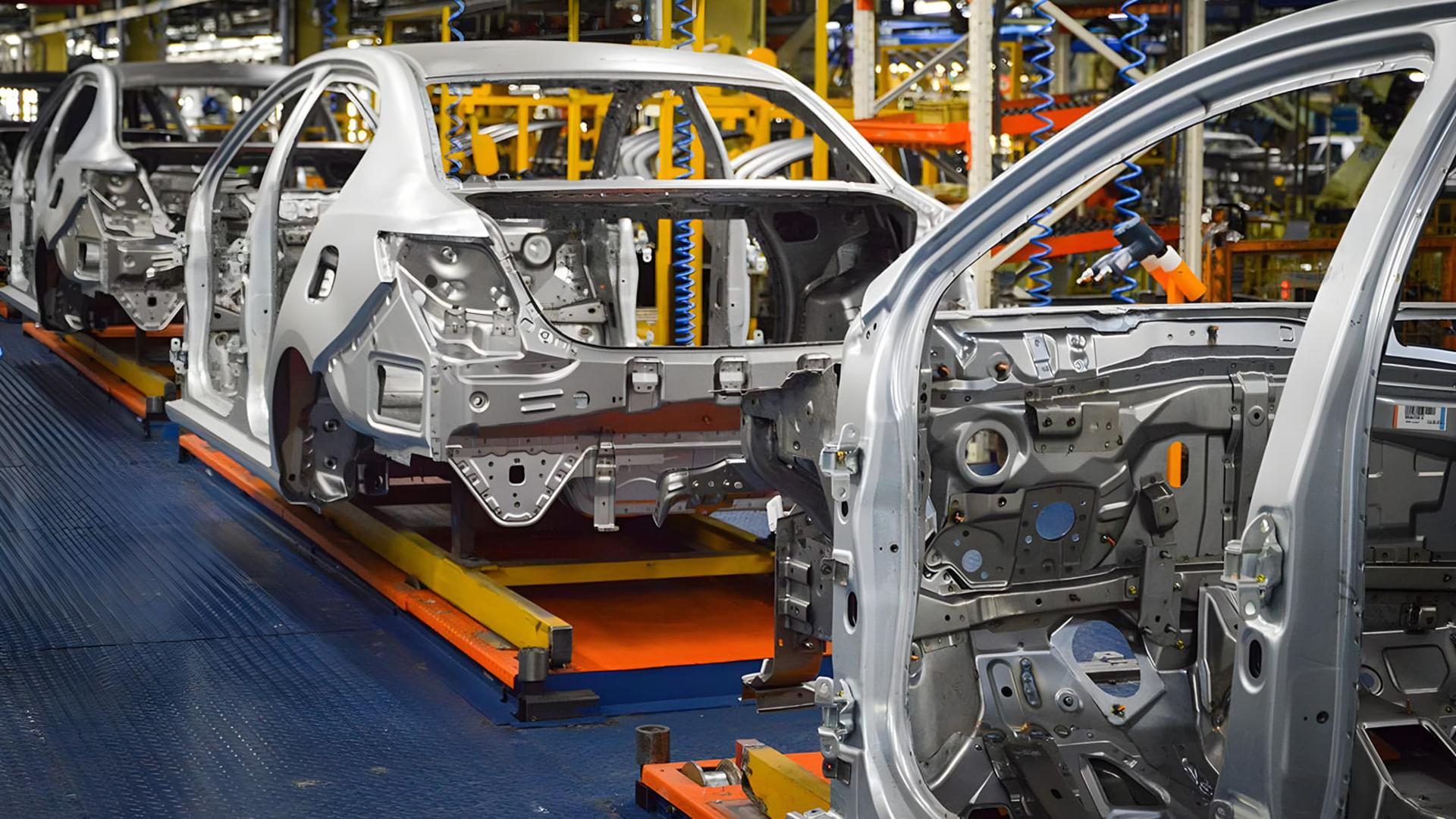
For some models, compliance may involve more than adding equipment. Body structures, safety systems, electronic architecture and the underlying platform could require redesign. This creates particular pressure on vehicles built on older platforms, which may face costly upgrades or eventual production stoppages. Pedal noted that it is not yet possible to identify which models may be unable to continue after Mehr 1406 because the final schedule for individual requirements and their application to different products has not been disclosed.
Costs, supply constraints and import access
Higher standards could improve safety, reduce emissions and modernize vehicle equipment, but implementation is likely to increase production costs. The scale will depend on whether a model needs a relatively limited equipment addition or extensive changes to its body and electronic architecture. No reliable percentage increase in vehicle prices can yet be calculated. The issue is especially sensitive in the economy-car segment, where higher manufacturing costs could further weaken affordability.
Sanctions and foreign-exchange constraints add another layer of difficulty. Modern safety and electronic systems can require specialized parts, technology and technical knowledge that may be expensive or difficult to obtain. If the required components are produced domestically, Iranian suppliers will need to invest in technology and new production lines. Testing centers, laboratories, universities and regulators will also need sufficient capabilities to support enforcement.
The revised regime will affect imported vehicles as well. Stronger requirements could raise their safety and technical specifications, but approval costs and market-entry times may increase if Iranian rules are not aligned with recognized international standards or if certification becomes more complex. Effective implementation will ultimately depend on accurate testing, independent sampling and action against non-compliance. Increasing the number of requirements alone will not ensure that production vehicles match approved samples or deliver better performance on the road.