Iran’s pasteurized cheese inflation reaches 156.4% as dairy costs surge
Annual inflation for pasteurized cheese in Iran reached 156.4% in Tir 1405, according to Statistical Center of Iran data cited by Nabz-e Gheymat. Higher raw-milk, feed, energy, packaging and transport costs are squeezing both household demand and producer margins.
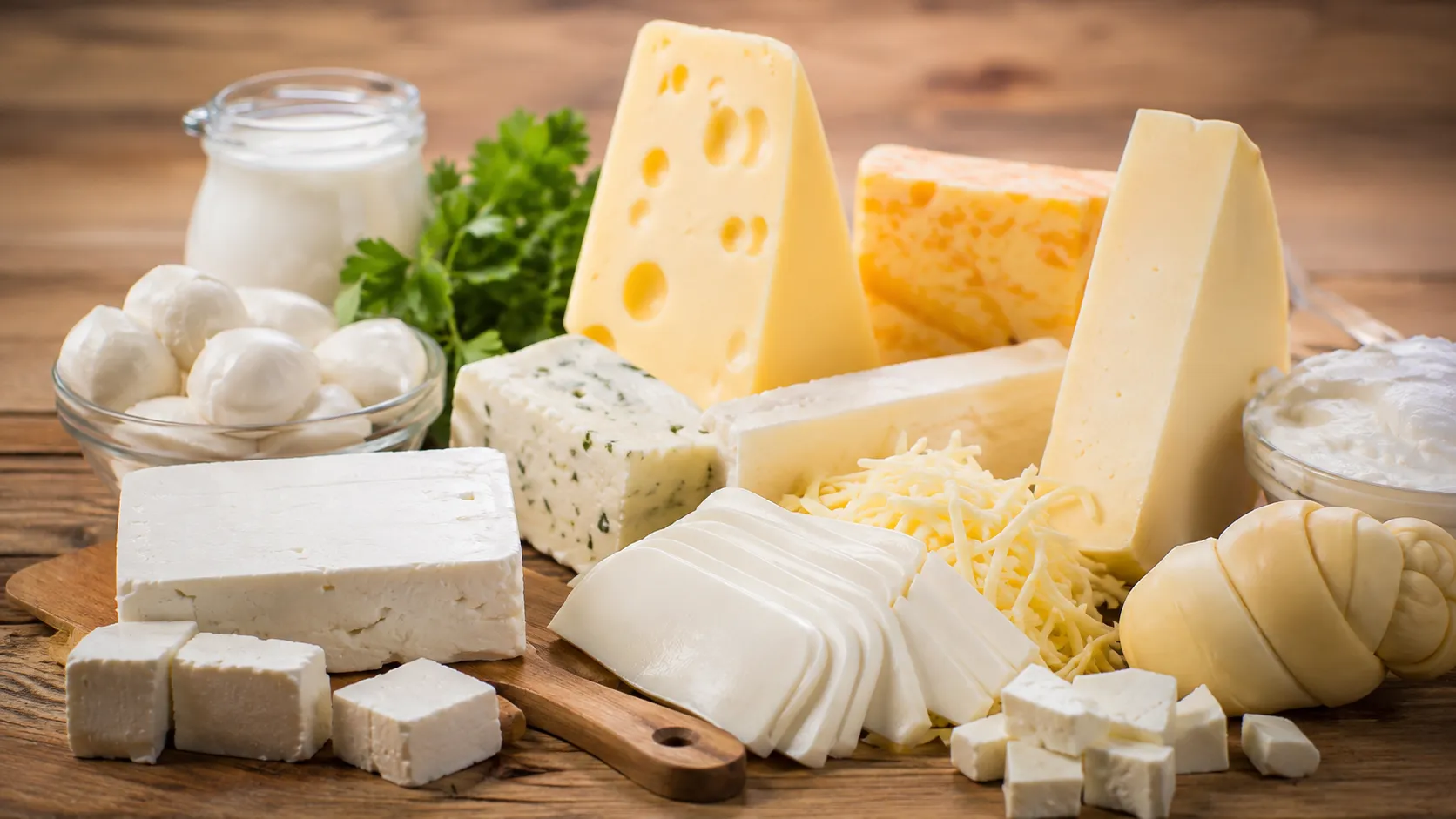
Cheese inflation reaches 156.4%
Iran’s dairy market entered Shahrivar 1405 under renewed price pressure, with annual inflation for pasteurized cheese reaching 156.4% in Tir 1405, according to Statistical Center of Iran data cited by Nabz-e Gheymat. The publication said a 400-gram pack that cost about 80,000 tomans a year earlier could now cost more than 200,000 tomans. Cheese prices also increased by 15.2% between Khordad and Tir.
The increase extends beyond cheese. The report put annual inflation for pasteurized milk at 148.4%, yogurt at 127.4% and doogh at 130.9%. These simultaneous increases are placing additional pressure on household food budgets and turning products previously treated as everyday staples into purchases that many consumers are reducing or removing.
Raw milk and imported feed drive costs
Nabz-e Gheymat identified a 100% increase in raw-milk prices in recent months as a principal factor behind the cheese increase. Raw milk represents a major share of cheese production costs. The depreciation of Iran’s currency and higher prices for imported animal-feed inputs, including soybean meal and corn, have also raised costs for dairy farms and flowed through to processors.
Energy, labor, refrigeration, packaging and transport have become more expensive at the same time. Higher plastic, cardboard and fuel costs are increasing expenses after milk leaves the farm, while drought and reduced feed availability have constrained raw-milk production in parts of the country. The report said these pressures have reduced producer margins despite higher retail prices, potentially limiting investment and affecting production and product quality.
Retail prices reveal a divided market
A 400-gram pack of Sabah white cheese, described as one of the market’s bestselling products, was listed at 145,000 tomans, while a 16-kilogram wholesale package cost 4,450,000 tomans. Pegah’s 400-gram vitamin D3-enriched white cheese was priced at 186,760 tomans, compared with 139,500 tomans for its relatively full-fat pasteurized Iranian white cheese of the same weight.
Traditional and specialty products were substantially more expensive. A 17-kilogram export-format Lighvan cheese was listed at 16,990,000 tomans, while 20 kilograms of sheep’s-milk Lighvan cheese cost 15,900,000 tomans. A 400-gram Lighvan product was priced at 790,000 tomans. Kalleh’s one-kilogram mascarpone cost 722,950 tomans, its 200-gram pack 289,000 tomans and one kilogram of Ana Kalleh labneh 440,320 tomans.
Demand erosion threatens the dairy chain
Estimates cited in the report indicate that annual per-capita dairy consumption has fallen from about 130 kilograms in 1389 to nearly 40 kilograms. Nabz-e Gheymat said households are buying smaller packs, switching to cheaper brands or replacing cheese with eggs, pulses and meat. Some consumers are also reportedly buying more than they immediately need because they expect further price increases.
The report considers a near-term decline in cheese prices unlikely while production costs and the exchange rate remain elevated. Price stabilization would require a steadier currency and lower production expenses. For processors, weaker purchasing power creates a difficult balance: retail prices must cover rapidly rising inputs, but further increases can accelerate demand destruction. Higher domestic costs may also weaken the competitiveness of Iranian dairy products abroad and reduce export earnings.