Tehran prosecutor orders Aprin Dry Port to clear soybean meal, rice and 376 vehicles
Tehran’s prosecutor has ordered Aprin Dry Port to release a two-month-old soybean meal shipment, rice cargoes and 376 imported vehicles within one week. The intervention also requires new warehouses and better wagon-unloading infrastructure to address persistent customs bottlenecks.
One-week deadline for essential cargo
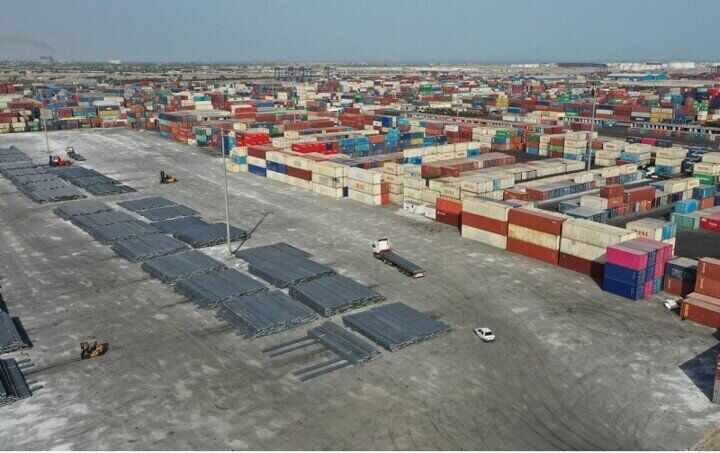
Tehran’s public and revolutionary prosecutor, Ali Salehi, has ordered the rapid clearance of soybean meal, rice and 376 imported vehicles stored at Aprin Dry Port and its customs facilities. Eghtesad Journal, citing Bazaar and Iran’s judiciary, reported that the prosecutor issued the instructions during an inspection attended by representatives of Tehran customs, the railway administration, the provincial government and other executive bodies.
Salehi focused first on a soybean meal shipment that has remained at the facility for two months. Describing the feed ingredient as an essential commodity, he instructed the Ministry of Agriculture Jihad and other responsible agencies to identify the reasons for the delay and secure the shipment’s full release within one week. The order could return stalled feed supplies to the domestic market, although the report did not disclose the shipment’s volume, origin or owner.
Rice and imported vehicles also targeted
The same one-week deadline applies to 376 imported vehicles held at Aprin. Salehi said unresolved clearance barriers involving either cargo owners or government agencies must be removed, arguing that prolonged storage should not create conditions for hoarding or higher market prices. Aprin is authorized to clear imported vehicles, making the backlog a test of whether its formal role is supported by workable customs procedures.
Salehi also ordered the release of a substantial rice consignment divided between Aprin and Shahid Rajaee customs. Twenty containers are stored at Aprin, while the remainder is at Shahid Rajaee. Customs authorities had classified the goods as abandoned, and the Organization for Collection and Sale of State-Owned Properties had begun an auction process. According to the report, the owner subsequently appeared and promised to clear the cargo, prompting the prosecutor to demand an expedited resolution. No figure was provided for the total number of containers.
Infrastructure shortages constrain Aprin’s role
The inspection identified insufficient wagon-unloading equipment, warehouse capacity and storage halls as operational constraints. Salehi instructed Tehran railway officials to build two new warehouses, complete the existing halls within three months and provide equipment for faster wagon unloading. He also called for infrastructure that allows cargo to move directly from rail wagons to trucks, reducing intermediate handling and storage time.
Aprin was designed to facilitate trade and ease congestion at Iran’s southern ports, but Salehi said inadequate infrastructure has prevented the site from using its full capacity. He called for construction of an independent customs building under an existing memorandum, improvements to import-order registration and greater promotion of the facility among traders and officials. He also urged domestic and foreign private investment and completion of rail connections toward eastern markets, Russia and Turkey. The immediate clearance orders may release the current inventories, but the warehouse, handling and administrative measures will determine whether similar backlogs recur.