Iran Prepares Dayyer Port to Receive First Vehicle Shipment from Qatar
Dayyer Port in Iran’s Bushehr province has established customs facilities to receive and process its first vehicle shipment from Qatar. The vehicles may be cleared for Iran or transported in transit, but the shipment’s size, brands, value and importer have not been disclosed.
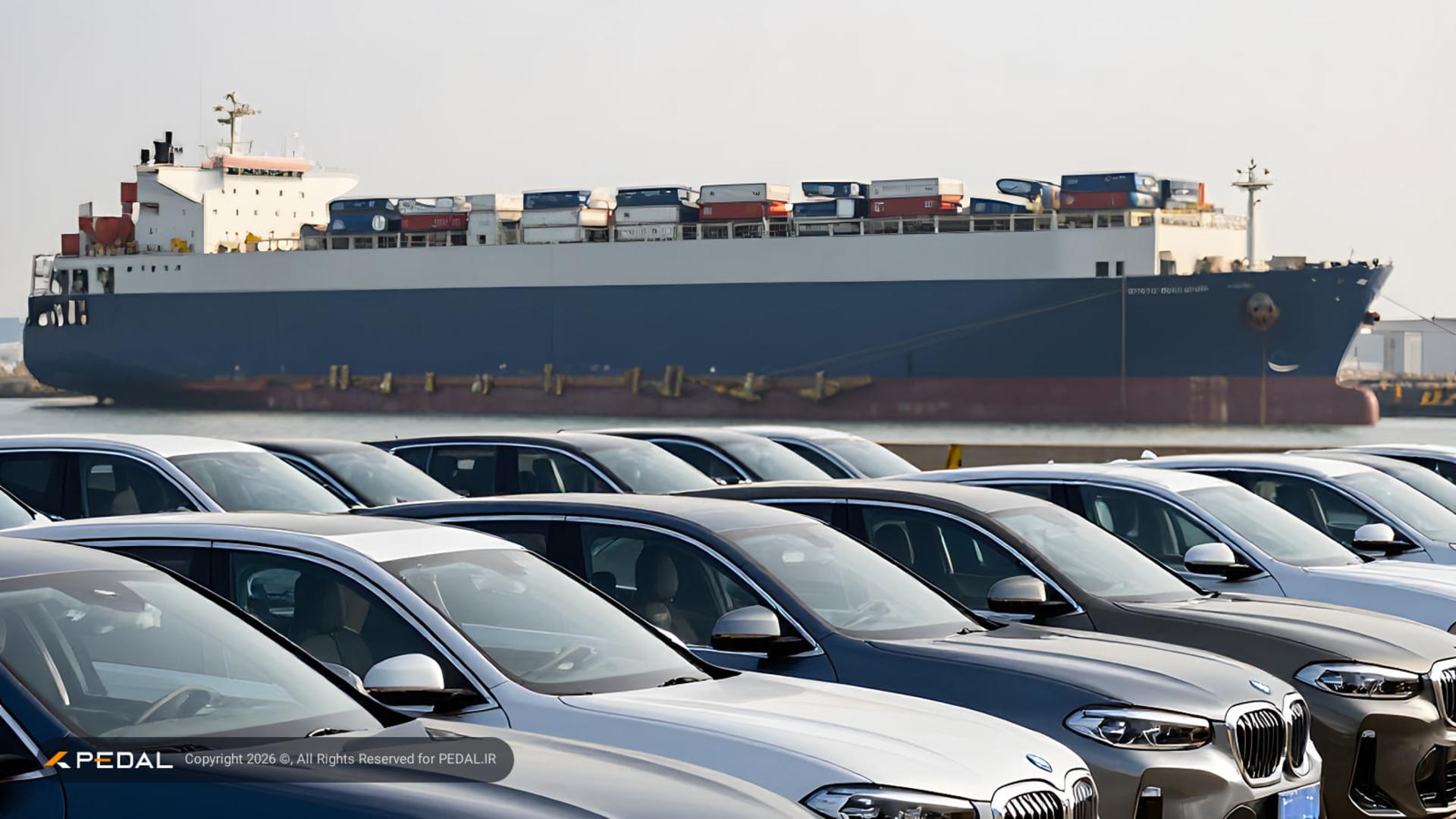
Dayyer prepares a new vehicle gateway
Dayyer Port in Iran’s southern Bushehr province has put the customs arrangements in place to receive its first shipment of imported vehicles from Qatar, according to Iranian automotive publication Pedal. The development could establish another entry point for vehicle imports and transit traffic along Iran’s southern coast, although no arrival date or shipment volume has been announced.
Keyvan Jowkar, head of Dayyer’s Ports and Maritime Administration, said the required infrastructure and procedures were ready. After arriving at the port, the vehicles will be eligible either for definitive customs clearance in Iran or for transit to another destination. Cooperation with traders and follow-up work by the authorities helped prepare the route, Pedal reported.
Important commercial details remain unavailable. Officials have not identified the brands or models, the number of vehicles, the importer, the shipment’s value or the likely selling prices in Iran. The announcement therefore confirms the availability of a logistics and customs channel, rather than an immediate addition to vehicle supply in the Iranian market.
Qatar may be a trading origin, not a manufacturing source
Vehicles shipped from Qatar should not necessarily be understood as Qatari-made products. Qatar is a substantial market for imported vehicles and a regional trading center, meaning it could serve as the point of purchase, consolidation or shipment for cars manufactured elsewhere. The vehicles’ countries of manufacture cannot be determined until the cargo specifications are published.
The customs procedure selected after arrival will also determine whether the vehicles reach Iranian buyers. Definitive clearance requires compliance with Iran’s legal and customs processes before the vehicles can enter the domestic market. Under a transit procedure, the cargo would cross Iran without being formally imported and would continue to another destination.
Dayyer’s location gives it a potential logistical advantage in maritime trade with Qatar. Pedal cited an earlier Tasnim report that identified the short sea route between Dayyer and Qatari ports as a possible way to reduce freight costs and accelerate import handling. The benefit remains theoretical until regular shipments establish actual transport times, costs and handling capacity.
Lower freight costs may not mean cheaper cars
Even if the shorter route reduces maritime expenses, freight is only one component of a vehicle’s final cost in Iran. Import tariffs, customs duties and charges, clearance expenses, technical standards, registration requirements, after-sales service and exchange rates may have a greater influence on the price paid by customers. The new corridor consequently offers no guarantee that vehicles sourced through Qatar will be cheaper.
The vehicle initiative builds on Dayyer’s expanding trade relationship with Qatar. Jowkar said regular goods exports from Dayyer to Qatar’s Al Ruwais Port had resumed after a suspension lasting several months and were again operating daily. Fruit, vegetables and seafood are among the products exported on the route. Adding inbound vehicles could give the port a broader role on both sides of the bilateral supply chain.
The immediate significance is logistical rather than a measurable shift in Iran’s automotive market. If vehicle movements become regular, Dayyer could diversify access beyond more established ports and handle part of Iran’s import or transit activity closer to Qatar. Its longer-term impact will depend on customs rules, import policy, shipment volumes and continuity. Until the first cargo arrives and officials disclose its specifications and customs status, the route’s effect on supply, competition and consumer prices cannot be quantified.