Iran Opens Import Registration for Crude Soybean, Rapeseed, Sunflower and Palm Oils
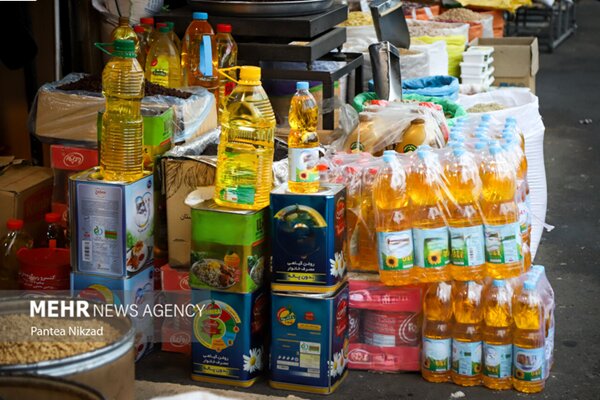
Iran has opened import-order registration for several crude vegetable oils and palm oil without limits linked to traders’ previous import records. The measure aims to ease supply in a market where about 95% of edible oil requirements depend on imports.
Registration opens without trader-history limits
Iran has begun accepting import-order registrations for crude soybean, rapeseed and sunflower oils, as well as palm oil, according to Mehr News. The registration window opened on Wednesday, 4 Shahrivar 1405, following an announcement by the Ministry of Agriculture Jihad’s Commercial Development Department.
Importers can submit and track their applications through Iran’s Comprehensive Trade System. The ministry said registrations can be filed without applying a ceiling or requiring applicants to have a previous trading record.
The change is based on a decision by Iran’s Market Regulation Headquarters to simplify registration procedures for imported agricultural goods. It broadens access beyond established importers and removes two potential administrative constraints on oil purchases.
The announcement does not specify import volumes, purchasing deadlines, foreign suppliers, tariff treatment or foreign-exchange arrangements. Its immediate effect is therefore to open the administrative channel for orders rather than guarantee the arrival of any particular quantity.
Edible oil supply remains heavily import-dependent
Mehr News reported that imports account for about 95% of Iran’s edible oil needs, making the commodity one of the most import-dependent parts of the country’s agricultural supply chain. Domestic production of liquid and semi-solid oils relies on imported crude oil, palm oil and oilseeds.
The main imported raw materials include soybean, sunflower and rapeseed oilseeds alongside crude vegetable oils. These products supply processors that refine or formulate oils for household and food-industry consumption.
Iran’s domestic rapeseed harvest reaches only about 250,000 to 300,000 tonnes annually under the best conditions, according to Mehr News. That volume is insufficient to cover the requirements of edible oil producers, leaving processors exposed to the availability and timing of imported feedstock.
A member of the Agricultural Basic Products Pricing and Support Policies Council has forecast that rapeseed production could rise to 400,000 tonnes in the 1405-1406 crop year if rainfall conditions are favorable. Even at that level, the figures reported by Mehr News indicate that imported oils and oilseeds would remain central to market supply.
More importers can compete for supply
Removing limits based on import ceilings and trading history could increase the number of companies able to register orders. For Iranian refiners and food manufacturers, a broader importer base may create more procurement options, provided registered orders receive the financing and approvals needed to proceed.
Existing importers could face additional competition from firms previously restricted by the record requirement. Foreign suppliers of soybean, rapeseed, sunflower and palm oils may also gain access to a larger pool of prospective Iranian buyers.
The policy may help address availability by reducing registration barriers, but physical supply will still depend on contracting, payment, shipping and customs clearance. The source did not provide information on stocks or domestic prices, so the measure’s effect on retail and wholesale markets cannot yet be quantified.
For processors, the central issue remains the scale of Iran’s import dependence. The opening of registrations can support raw-material access in the near term, while the projected increase in rapeseed output would provide only a conditional expansion of domestic supply tied to favorable rainfall.