Iran plans Norduz border upgrade to expand road access to Eurasian markets
Iran plans to expand the Norduz terminal, its only direct land crossing with Armenia, to handle more than 1,000 transit trucks and 2,500 passengers per day. The project targets faster customs processing and stronger road links to Armenia, Georgia, the Black Sea and Eurasian markets.
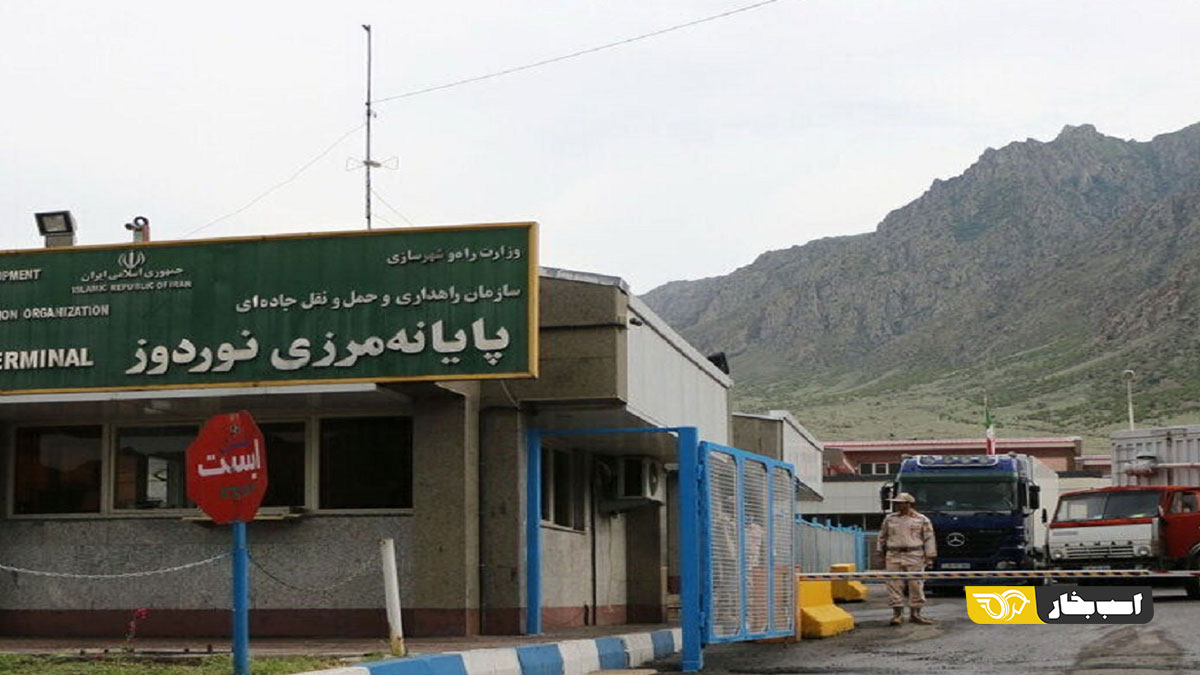
Capacity target exceeds 1,000 trucks
Iran has drawn up a comprehensive infrastructure plan for the Norduz border terminal, the country’s only direct land crossing with Armenia. According to Asbe Bokhar, the project is intended to raise capacity to more than 1,000 transit trucks per day within the next two years. The terminal is also expected to accommodate 2,500 daily passenger movements after its systems and facilities are upgraded.
Norduz is located in East Azerbaijan Province, approximately 65 kilometres from Jolfa, on the southern bank of the Aras River. Its position gives Iran a direct road connection with Armenia and, through Armenian territory, access to Georgia and the wider Black Sea region. The crossing also links Iran with markets in the Eurasian Economic Union.
Customs and traffic systems to be modernised
The development plan covers the modernisation of customs areas, the separation of traffic lanes and the mechanisation of cargo-handling procedures. These measures are designed to reduce queues and the time heavy vehicles spend at the border. Shorter waiting times could lower the cost of transit freight, improve truck utilisation and make schedules more predictable for carriers and cargo owners.
The existing terminal layout is not considered sufficient for the planned traffic volume. Asbe Bokhar described the Norduz master plan as the leading infrastructure priority in the area. However, the source did not disclose the project’s cost, financing arrangements, construction timetable or current daily truck throughput. The 1,000-truck figure therefore represents a capacity target rather than confirmed traffic demand.
Route connects southern ports with the Black Sea
Norduz forms part of a route linking Iran’s southern ports, including Bandar Abbas, with Armenia, Georgia and the Black Sea ports of Poti and Batumi. Cargo unloaded in southern Iran can travel north through Armenia before continuing to Georgia and potentially to European markets. The crossing is also presented as a western branch of the International North–South Transport Corridor.
The project has a passenger component as well. Around 1,000 Iranian passengers currently use the crossing each day on average, according to Asbe Bokhar. Once updated systems, organised terminal areas and passport-control gates are fully operational, broader processing of Armenian nationals and travellers is expected to begin. The source forecasts total passenger movements could then reach 2,500 per day.
Road resilience gains importance
For Iran, greater capacity at Norduz would provide an additional road option at a time when international transport links face political and operational constraints. A more efficient crossing could support carriers serving Armenia and Georgia while giving shippers using Iranian ports another route towards the Black Sea. Its commercial value will depend on coordinated border procedures, reliable onward infrastructure and the ability of neighbouring countries to process the additional traffic.
The upgrade does not by itself guarantee higher trade volumes. Customs performance on both sides, road capacity beyond the terminal and demand from freight owners will determine how much of the planned capacity is used. Still, reducing delays at Iran’s sole direct land gateway to Armenia would address a measurable logistics bottleneck and strengthen the route’s position among competing regional corridors.