Iran’s medicine shortages deepen as prices rise and critical drugs disappear
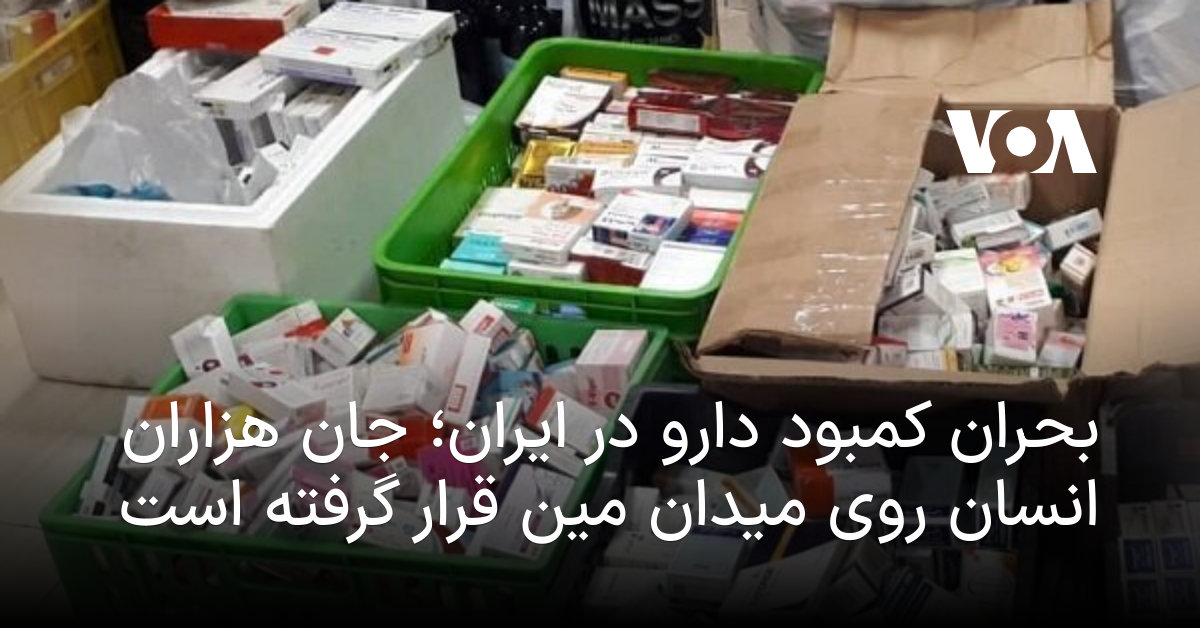
Iran is facing widespread shortages of cancer, psychiatric, cardiovascular and other medicines, while patients report sharp price increases and lengthy searches for treatment. A parliamentary health spokesman said about 1,000 medicines were in short supply and 43 had reached critical shortage levels.
Shortages spread across therapeutic categories
Iran’s medicine shortage has expanded from specialist treatments to widely used antibiotics, cold remedies, vitamins and supplements, according to Voice of America. Patients report visiting multiple pharmacies over days or weeks, often finding only small quantities or learning that medicines are unavailable even from distribution companies.
The shortages affect treatments for hemophilia, kidney and cardiovascular diseases, mucopolysaccharidosis, spinal muscular atrophy and cancer. Access to psychiatric medicines has also deteriorated. Bijan Kiani, a specialist in neurological and psychiatric diseases, told Ettelaat Online on 16 Mordad that interruptions in treatment for conditions including multiple sclerosis, epilepsy, severe depression, schizophrenia, cancer and hemophilia can cause relapse, hospitalization, greater disability and death.
A patient told Voice of America that a 28-tablet pack of 100-milligram Asentra, an antidepressant, had risen to 800,000 tomans and was no longer affordable. The same patient said alprazolam, used for severe anxiety, had been unavailable for about one month. Another patient who requires nitrofurantoin for kidney disease described repeatedly visiting a 24-hour pharmacy in the hope of obtaining a few tablets.
Policy and supply disruptions raise costs
Officials have cited war, the closure of the Strait of Hormuz and the removal of the preferential exchange rate among the causes of the supply problems. Salman Eshaghi, spokesman for parliament’s Health and Treatment Commission, said on 17 Mordad that the country faced shortages of about 1,000 medicines, with roughly 43 products at a critical level. Pharmacy officials and patients told Voice of America that the actual range appeared broader.
Diagnostic supplies are also affected. A pharmacist in northeastern Tehran said Visipaque 100, a contrast agent used in CT scans, had been absent from pharmacies and distributors. Patients requiring urgent imaging may have to buy two Visipaque 50 ampoules at close to 4 million tomans each. Without insurance, a CT scan with injected contrast can cost about 11 million tomans, before any subsequent treatment expenses.
The pharmacist said doctors generally avoid prescribing the Iranian version of the ampoule because it causes allergic reactions in some patients. The resulting cost burden is particularly severe for uninsured workers and low-income households, which must also contend with higher prices for routine medicines.
Counterfeit market adds another risk
A pharmacy official in central Tehran told Voice of America that shortages and steep prices for cancer and specialist medicines had encouraged a market for counterfeit products. Some patients had bought expensive medicines outside the regulated system, only to discover that genuine-looking packaging contained substituted material.
Foreign-produced cancer medicines have become unaffordable for many patients, the pharmacy official said. The head of Iran’s Food and Drug Administration has repeatedly apologized for shortages, but no detailed remedy was reported. Eshaghi criticized the planned removal of the preferential exchange rate and warned that implementing it next year would intensify the danger to patients. For pharmaceutical producers, distributors and importers, the crisis points to immediate pressure on access to foreign medicines, active ingredients, diagnostic products and financing, while patients face both interrupted treatment and growing exposure to unverified suppliers.