Iran May Reduce Red Meat Imports as Currency Weakness Erases Price Advantage
Iran may need less imported red meat as the weak currency and higher regional livestock prices narrow its discount to domestic supply. Better pastures and herd reproduction could support local output, while weaker household purchasing power is curbing demand.
Imported meat loses its price advantage
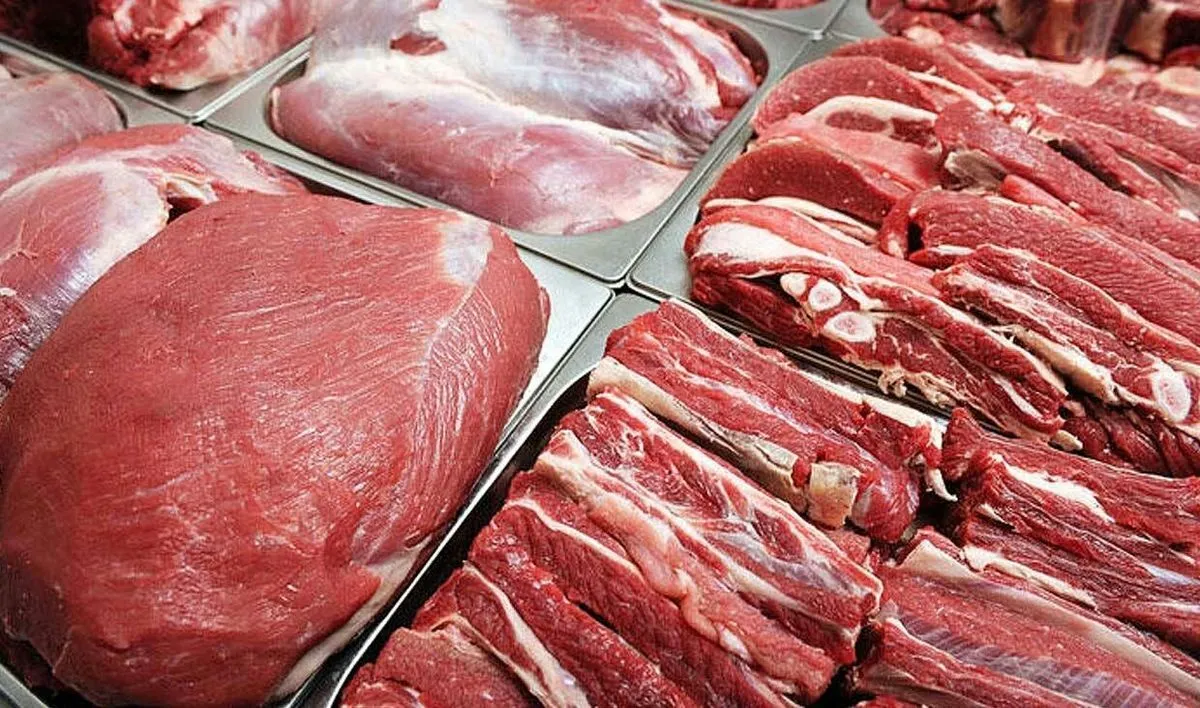
Iran may import less red meat this year as currency weakness and higher livestock prices make foreign supply less competitive with domestic production. Rouhollah Zahmatkesh, deputy minister for livestock production affairs at the Ministry of Agriculture Jihad, said import decisions should reflect world prices, the exchange rate, domestic capacity and changes in household consumption.
According to ISNA, some importers have warned of possible red meat shortages and price increases during the Iranian months of Aban and Azar. Domestic producers argue that better pasture conditions, increased births and more twin births within herds have created enough capacity to cover a large share of national requirements. Inflation has complicated the calculation by pushing consumers toward chicken and other proteins as the price gap with red meat widens.
Regional prices reshape the economics
Iranian live animals can fetch about $7 per kilogram in some neighboring countries, equivalent to approximately 1.5 million tomans per kilogram at the prevailing exchange rate, according to the available market information cited by Zahmatkesh. With sheep carcass yield close to 50% in the best case, the resulting meat may be worth more than 3 million tomans per kilogram in destination markets. Relatively wealthy neighboring markets also increase the incentive for livestock to leave Iran through unofficial channels.
Offers for some imported meat or livestock are around $5-$5.5 per kilogram. Zahmatkesh said even lower-grade animals or older Pakistani cows do not cost less than $5. Transport, insurance, storage and distribution further narrow the difference between imported and Iranian meat. Fresh imports carry additional logistical costs, while frozen meat faces weaker demand because Iranian consumers generally regard it as lower quality.
Consumers expect frozen meat to be at least 30%-40% cheaper than fresh meat, a gap importers cannot achieve under current exchange rates and world prices. The ministry has not imposed an obstacle to imports, but many companies conclude that shipments no longer offer their former returns or will be difficult to sell. Imports may still help stabilize the market by supplying universities, military facilities and other large consumers, even if they do not directly reduce open-market prices.
Imports could shift from meat to cattle
Iran has traditionally imported approximately 100,000-150,000 tonnes of red meat annually. Zahmatkesh said the country may not require that volume this year because improved pasture and domestic production coincide with consumption losses caused by weaker purchasing power. He argued that purchases should match the market’s actual shortfall rather than repeat historical volumes.
One proposal is to import cattle from Pakistan near the end of their feeding cycle instead of buying frozen meat directly. Iranian farms would complete the fattening process, keeping domestic capacity in use and supplying fresh or frozen meat tailored to large institutional buyers. Any program would still depend on its economics as well as animal-health and quarantine requirements. Final import needs must also account for animal weights, birth rates, mortality, livestock outflows, slaughter and actual consumer demand, rather than relying only on herd numbers.