Iran lifts seasonal rice import restriction during domestic harvest
Iran has suspended its seasonal restriction on rice imports, allowing cargoes to clear customs from the beginning of Mordad through the end of Aban. Importers say uninterrupted supply should help balance the market, while the decision has renewed concerns about pressure on domestic growers during harvest.
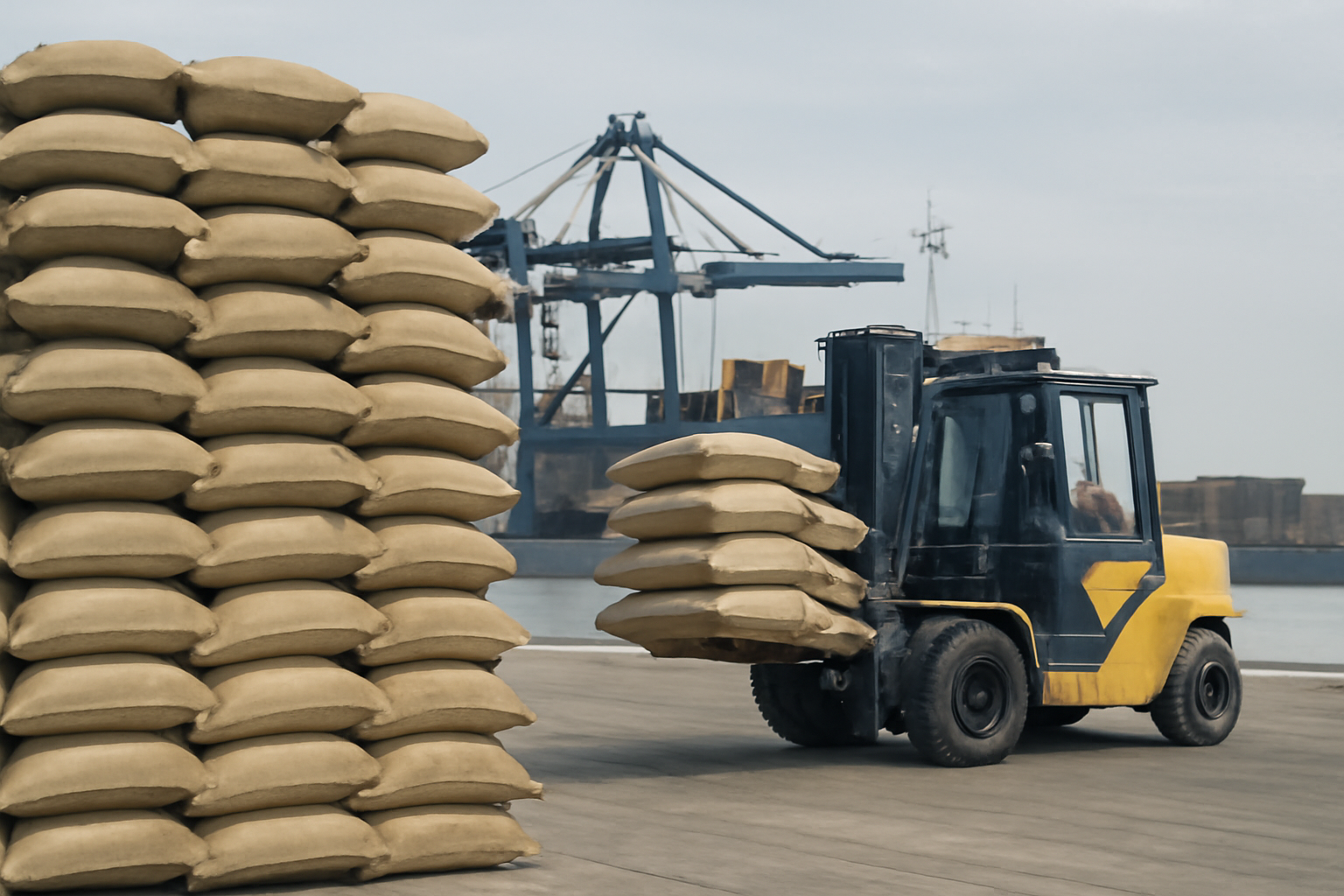
Rice can clear customs during the harvest season
Iran has lifted its seasonal restriction on rice imports, allowing imported cargoes to clear customs during the domestic harvest period. Hamshahri Online reported that the Export and Import Regulations Office of the Ministry of Industry, Mine and Trade notified the customs authorities of the decision. Clearance will be permitted from the beginning of Mordad through the end of Aban, a four-month period that roughly covers late July to late November.
The restriction had normally prevented rice clearance during these months to protect Iranian farmers when their crop entered the market. It was set out under clause 8 of the notes to Chapter 10 of Iran’s Export and Import Regulations. Suspending it means importers no longer have to hold eligible cargoes at ports until the harvest window closes.
The measure concerns customs clearance as well as the practical continuity of imports. Even when rice has already been purchased and shipped, a seasonal prohibition can leave cargoes in customs storage, delay distribution and raise financing and handling costs. Removing the restriction gives traders a clearer route for moving imported rice into wholesale channels throughout the autumn.
Importers argue that supply continuity will support balance
ISNA reported that importers defended the government’s decision despite criticism of allowing foreign rice onto the market during the domestic harvest. The secretary of the Iranian Rice Importers Association argued that stopping imports while import volumes were already declining would upset the balance between supply and demand.
For importers and distributors, the immediate benefit is greater predictability. Cargoes can be scheduled without the risk that a delay at sea or in administrative processing will push their arrival into a prohibited period. Retailers and industrial buyers also gain access to imported varieties without waiting until the end of Aban.
The policy change does not by itself establish how far consumer prices will move. More regular clearance can increase available supply and reduce the risk of shortages, but final prices also depend on procurement costs, currency availability, customs procedures and the speed at which cargoes reach wholesalers. The importers’ position is therefore that the decision supports market balance, rather than guaranteeing a specific reduction.
Domestic growers face more competition at harvest
The dispute centres on timing. The seasonal rule was designed to give Iranian paddy farmers a protected sales window when newly harvested rice was entering commercial channels. With the restriction removed, domestic grain will compete at the same time with imported rice, potentially limiting the ability of producers and intermediaries to raise prices during the harvest period.
Critics consequently view the measure as weakening a safeguard for local production. The effect will not be uniform across the market because domestic and imported rice serve different price and quality segments. Nevertheless, simultaneous availability gives wholesalers, processors and large buyers more alternatives when negotiating purchases.
The decision shifts the government’s immediate priority from seasonal protection toward continuity of supply. Its market impact will become clearer through customs clearance volumes, the pace of domestic procurement and wholesale price movements through the end of Aban. For traders, the operational change is immediate: rice cargoes no longer need to remain outside the market solely because they arrive during the harvest window.