Sales at Iran’s Three Largest Automakers Fall 29.3% in First Half of 1405
Iran Khodro, Saipa and Pars Khodro sold 270,744 vehicles in the first half of Iranian year 1405, down 29.3% from the same period a year earlier. Lower production contributed to the decline, while weaker purchasing power, higher prices and economic uncertainty also constrained demand.
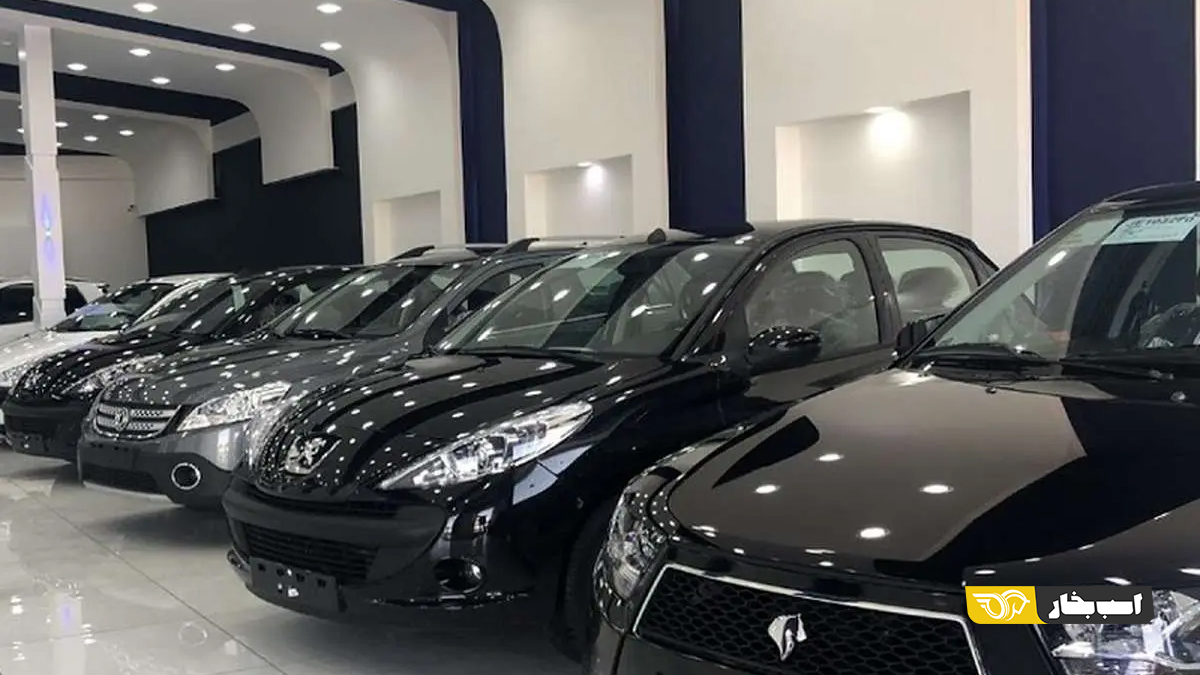
Combined sales fall by more than 112,000 vehicles
Sales at Iran’s three largest automakers declined sharply in the first half of Iranian year 1405, indicating that the country’s passenger-vehicle market is facing pressure from both constrained production and weakening effective demand. According to Iranian automotive publication Asbe Bokhar, Iran Khodro, Saipa and Pars Khodro sold a combined 270,744 vehicles during the period, compared with 383,450 in the same half of the previous year.
The reduction exceeded 112,000 vehicles and amounted to 29.3%. Iran Khodro remained the largest of the three companies, selling 192,978 vehicles, but its volume fell by about 24%. Saipa’s sales dropped 33.8% to 65,464 vehicles. Pars Khodro recorded the steepest contraction, with sales declining 60.4%.
The figures point to different levels of exposure among the manufacturers. Iran Khodro accounted for most of the group’s sales and showed the smallest percentage decline, while the sharper falls at Saipa and Pars Khodro suggest greater pressure on their production volumes, product portfolios or ability to convert potential demand into completed purchases.
Production cuts explain only part of the decline
Combined production at the three companies reached 280,277 vehicles in the first half, about 31% below the comparable period. Fewer vehicles leaving assembly lines therefore directly limited the number available for sale. Production disruptions also matter for dealers, suppliers and parts manufacturers because lower plant throughput reduces orders across the domestic automotive supply chain.
Asbe Bokhar argues, however, that production alone does not explain the sales downturn. Household purchasing power has weakened as vehicle prices have risen much faster than incomes in recent years. High inflation and increasing expenditure on housing, food, transport and other essentials have reduced the share of household budgets available for car purchases.
This distinction is important for assessing the market. Demand for personal transport may still exist, but many prospective customers cannot turn that need into a transaction. Cash purchases have become difficult for a wider group of households, while available loans and instalment programmes often cover only a limited portion of the actual vehicle price. Buyers may have income but still lack the initial capital required to complete a purchase.
Higher prices and uncertainty reshape buying decisions
Price increases can lift automakers’ nominal revenue without supporting unit sales. Asbe Bokhar cites Iran Khodro as an example, saying higher product prices offset part of the effect of lower sales volumes. A larger market measured in rials should therefore not be interpreted as evidence of stronger demand: its monetary value can rise even as the number of customers contracts.
Economic and currency uncertainty is adding to the pressure. Vehicle prices are sensitive to exchange rates, the cost of imported components, trade policy, pricing rules and inflation expectations. When these variables change frequently, some customers delay purchases while waiting for different prices, sales terms or broader economic conditions. That behaviour is especially significant in Iran, where a car can function as both a consumer product and a store of value.
Product positioning is another constraint. Parts of Iran Khodro’s and Saipa’s ranges remain based on platforms and models that have been present for years, while imported and locally assembled alternatives have become more varied. As domestic-car prices rise, buyers increasingly compare equipment, design and technology across a broader set of options. The first-half figures suggest that restoring sales will require more than higher output: affordability, buyer financing, product competitiveness and greater policy and currency visibility will also shape whether latent demand returns to showrooms.