Iranian importers seek release of 130,000 tonnes of rice held at ports
Around 130,000 tonnes of imported rice are awaiting customs clearance at Iranian ports and customs facilities. The Iran Rice Importers Association has requested that essential-goods clearance support be extended through year-end.
Rice shipments accumulate at Iranian ports
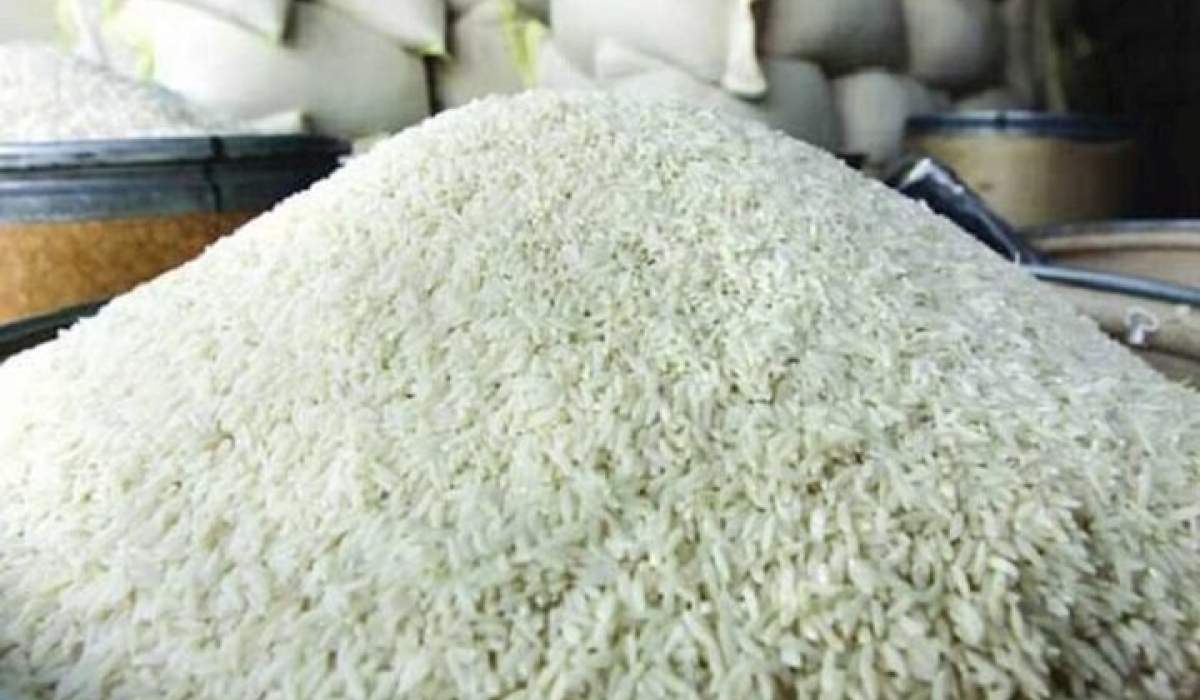
Around 130,000 tonnes of imported rice are awaiting customs clearance at Iranian ports and customs facilities, according to Naftema. The volume represents cargo that has already reached the country but has not completed the procedures required to enter domestic distribution.
The secretary of the Iran Rice Importers Association said part of the imported rice consignments had been stopped at ports and customs sites. The report did not identify the countries of origin, the number of affected shipments or the individual ports handling the cargo. It also did not specify how long the consignments had been waiting.
The distinction between rice that has arrived and rice available to the market matters for importers, wholesalers and food distributors. Until customs procedures are completed, the accumulated cargo cannot move normally through the supply chain. The immediate issue is therefore clearance of existing stocks rather than the placement of new orders.
Association asks for support to continue
The importers’ association has asked the authorities to extend clearance support for essential goods through the end of the year. Naftema did not detail the measures covered by the request or identify the government bodies responsible for deciding whether they will remain in force.
For importing companies, an extension would provide more time to process rice already located at ports and customs facilities. Without an extension, the industry faces uncertainty over whether the current arrangements will remain available long enough to clear the outstanding volume. The report did not give a timetable for a government response or indicate how quickly the 130,000 tonnes could be released if the request is accepted.
Clearance decision will determine market timing
The pending volume is significant because its commercial impact depends on when it becomes available, not simply on its physical arrival in Iran. Release would allow importers to transfer the rice into domestic storage and distribution channels. Continued delays would keep the cargo outside normal circulation and prolong uncertainty for companies that have already arranged the imports.
The report provided no figures for domestic rice prices, import costs, inventories or expected consumption. It also did not say whether the held cargo had affected retail availability. The clearest market signal is therefore the size of the queue itself: approximately 130,000 tonnes are awaiting clearance, while the importing industry is seeking continuity in the rules used to process essential goods. Traders and distributors will now be watching for an official decision on the requested extension and for evidence that the accumulated consignments are beginning to leave ports and customs facilities.