Gilan tea under pressure: output falls, grower payments unsettled, imports continue
Tasnim News Agency, reporting from Lahijan, describes a combined crisis in the tea sector of Iran's Gilan province: production has declined, money owed to growers remains unpaid, and imported tea keeps entering the market. The crop underpins the livelihoods of tens of thousands of rural households in northern Iran.
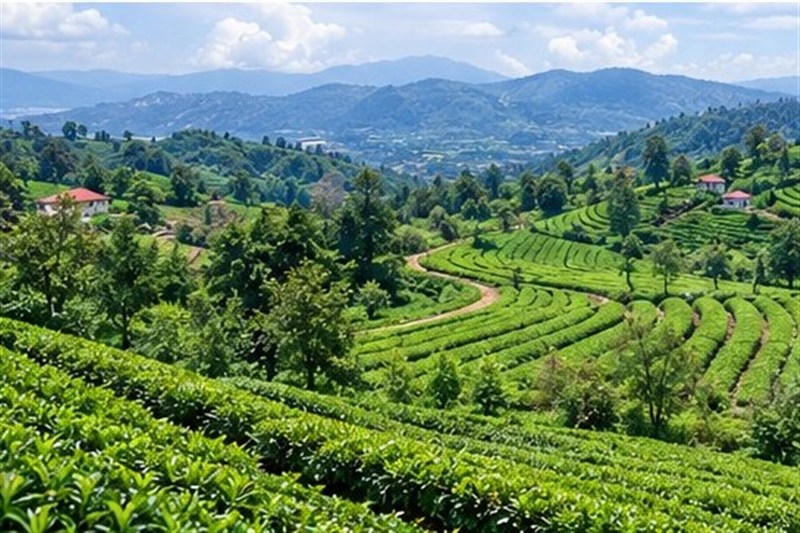
Iran's tea sector in Gilan province is under pressure from three problems at once — falling production, payments still owed to growers, and the continued flow of imported tea — according to a report by Tasnim News Agency filed from Lahijan.
Tasnim describes tea in Gilan as more than one crop among many. The agency writes that it forms part of the rural economy, supports the livelihoods of tens of thousands of households, and counts among the agricultural markers of northern Iran. Lahijan, the dateline of the report, is the historic centre of tea growing and processing in the province, which concentrates the effect of any downturn in a small number of districts.
Output down, dues outstanding
The central point of the report is that the decline in output and the unsettled payments are not separate events. Green leaf from Gilan's gardens has been at the centre of a long-running argument over what growers are paid and when. Tasnim does not attach figures to the fall in production or to the size of the outstanding dues, so the deterioration is set out in qualitative terms rather than quantified.
The sequencing matters for anyone assessing supply. Green leaf is perishable and has to reach a processing factory within hours of picking, which leaves growers with no storage option and no ability to hold out for a better price. Their income therefore depends on how quickly factories sell processed tea and return the proceeds. When that cycle stalls, the capital needed for the next season — pruning, fertiliser, hired labour for successive picking rounds — is not available, and deliveries at the following harvest fall. Lower deliveries reduce factory throughput, which makes the payment chain harder still to close.
Imports remain in the market
The third element in Tasnim's account is that imports continue. Domestically grown tea covers only part of Iranian consumption and the balance arrives from abroad; the agency presents that continuing inflow as part of the same crisis rather than as a separate trade story.
The commercial logic is straightforward. Because imported tea remains available, a shortfall in Gilan's output does not translate into empty shelves or a visible consumer shortage. The adjustment falls instead on the domestic chain: gardens, pickers and processing factories absorb the loss of volume while the retail market is supplied as before. That removes much of the urgency a physical shortage would otherwise create, and it is one reason the situation has persisted across seasons rather than forcing a rapid response.
What to watch
- Whether outstanding payments to growers are settled before the next picking rounds — the clearest single determinant of how much green leaf is delivered.
- Capacity utilisation at Gilan's processing factories, which sets their unit costs and their ability to pay on time.
- The volume and origin mix of imported black tea, which defines the price ceiling domestic tea has to work under.
- The area of tea gardens still in production, since gardens abandoned or converted to other uses do not return within a single season.
Tasnim presents the three problems as one chain rather than three coincidences. On that reading, any recovery in Gilan begins at the payment stage: replanting and yield improvement run over years, but the decision by tens of thousands of households to send pickers back into the gardens is taken afresh every season.