Iran’s foreign-currency delays put essential-goods importers under pressure
Iranian importers of rice and other essential goods are waiting longer for foreign currency, according to the country’s rice producers and suppliers association. The delays are weakening importer credit and complicating the financing of future supplies.
Currency delays extend beyond previous timetable
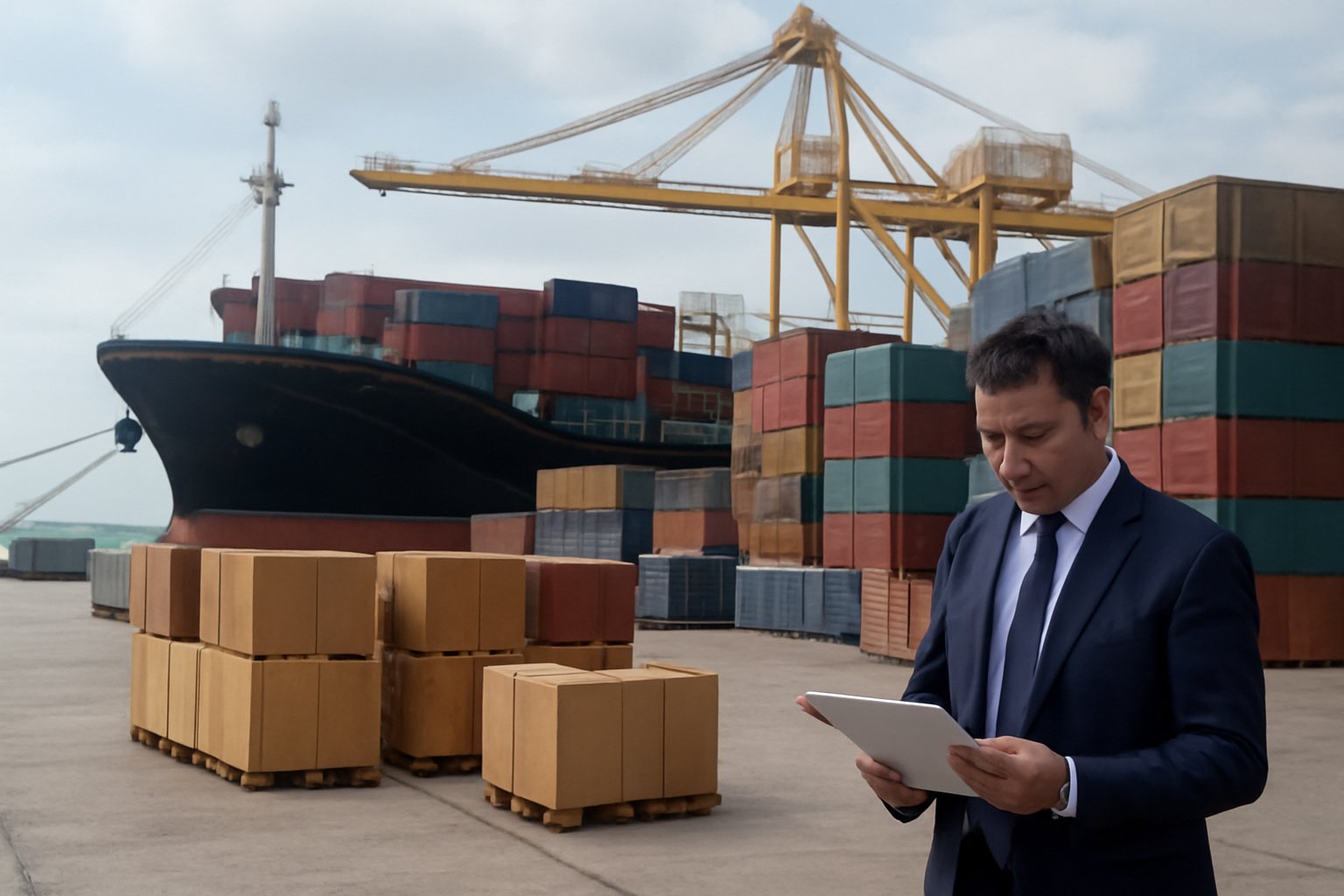
Iranian importers of rice and other essential goods are facing longer waits for access to foreign currency, increasing pressure on their credit and their ability to finance new purchases. ISNA reported the warning from the head of Iran’s Association of Rice Producers and Suppliers, who said the currency-supply process for essential goods had become more prolonged.
According to the association, importers’ foreign-currency claims were paid within two to three months in previous years. The available report does not specify the current waiting period, but the association’s warning indicates that settlement is now taking longer than that earlier timetable.
The distinction matters because importers generally need to pay suppliers, shipping companies and other counterparties before they recover or receive the foreign currency assigned under the official allocation system. When settlement is delayed, the importer must carry the financing requirement for longer, tying up working capital and increasing dependence on supplier credit or other short-term funding.
Importer credit becomes a supply-chain issue
The immediate concern raised by the association is the effect on importer credibility. Overseas suppliers and domestic financing partners assess whether buyers can meet payment schedules. Longer and less predictable currency allocation can make Iranian importers appear riskier, even when the underlying demand for rice and other essential goods remains intact.
That can influence commercial terms without any formal change in import policy. Suppliers may seek earlier payment, reduce the amount of credit offered or limit exposure to individual buyers. Importers, meanwhile, may become more cautious about signing replacement contracts while previous currency claims remain unsettled. These responses could reduce purchasing flexibility and concentrate business among companies with stronger balance sheets.
Rice is particularly sensitive because it is an essential food product handled by a chain of producers, suppliers, importers, wholesalers and retailers. A financing delay at the import stage can therefore affect procurement planning further along the chain. The ISNA report did not provide figures for import volumes, inventories, prices or the amount of currency awaiting allocation, so the scale of any potential disruption cannot yet be quantified.
Policy timing will shape future purchasing
For market participants, the central issue is not only whether foreign currency will ultimately be supplied, but when it will become available. A predictable two-to-three-month settlement period allows companies to estimate their funding needs. An open-ended delay makes the same transaction harder to price and finance because neither importers nor their counterparties know how long capital will remain committed.
The association’s warning therefore points to a risk in the financing mechanism rather than evidence of an immediate physical shortage. Importers will watch the pace of currency settlements before committing to additional cargoes, while suppliers will assess the reliability of payment schedules. Unless the allocation timetable becomes clearer, pressure on importer credit could continue to influence contract terms and purchasing decisions for rice and other essential goods in Iran.