Iran food prices surge as war and maritime blockade disrupt trade and household incomes
Rice prices in Iran have risen 60% and meat prices 150% from levels before the 40-day war, according to Euronews Persian. Sanctions, maritime restrictions and disrupted regional shipping are tightening supplies while inflation could approach 70% by year-end.
Food costs rise as household purchasing power falls
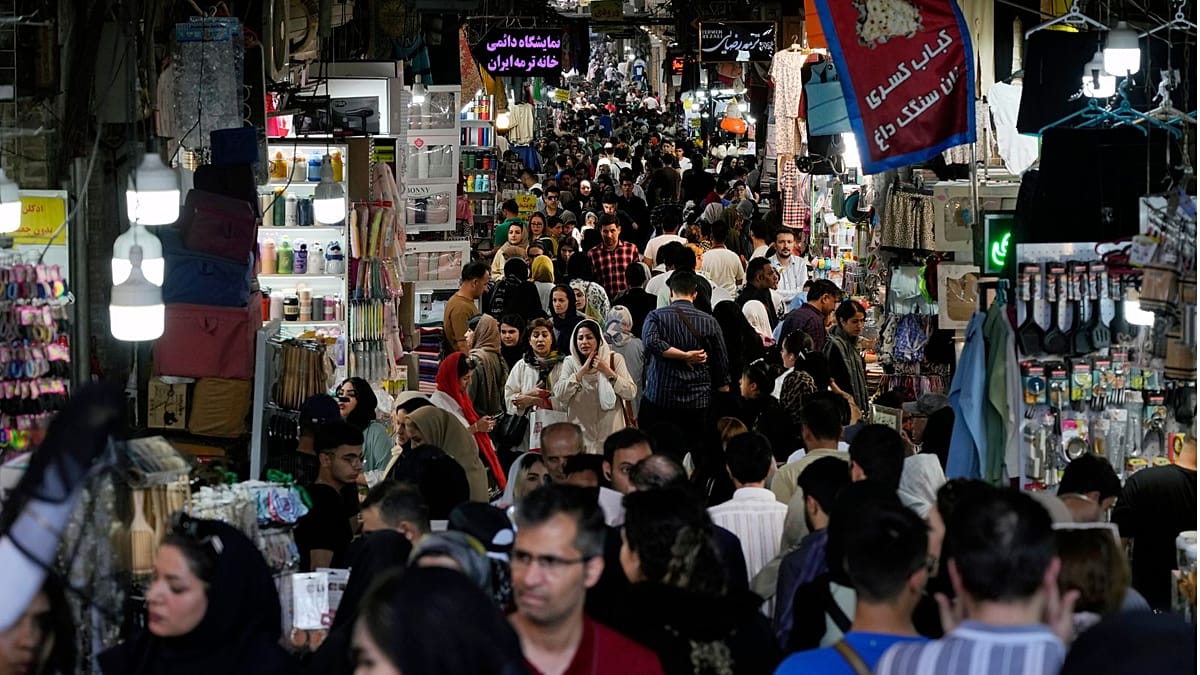
Rice prices in Iranian shops have increased 60% and meat prices 150% compared with levels before the 40-day war, according to Euronews Persian. Tehran’s Grand Bazaar is attracting consumers searching for essential goods at prices below those offered by food retailers elsewhere in the country, but many households can no longer comfortably afford basic purchases.
The increases extend beyond food. Medicines, detergents and other everyday products have become substantially more expensive, while subsidised gasoline remains a notable exception. A Tehran resident identified only as Masoud told Euronews Persian that life had become particularly difficult for people dependent on fixed salaries.
Income pressure is intensifying alongside the price shock. The value of earnings for people who remain employed has fallen by half compared with a year earlier, according to the report, prompting some to work longer hours. Official data put unemployment at 9.1%, although government-affiliated media have suggested that the real rate may be several times higher. A Labour Ministry official said more than 1 million jobs had disappeared by late May, only three months after the war began.
Sanctions and shipping restrictions narrow supply options
Almost six months after the US and Israeli attack, Iran’s economy is under pressure from war, longstanding sanctions and a US-imposed maritime blockade, Euronews Persian reported. The restrictions have made oil exports considerably more difficult, reducing access to revenue needed to pay for imports and support the domestic economy.
Iran has spent years developing ways to operate under Western sanctions. It has increased domestic production, used informal cross-border networks, purchased sanctioned goods through third countries and transported oil with a shadow fleet. Those channels now face additional pressure. The United Arab Emirates, which had helped Iran obtain goods from other countries and bypass some restrictions, announced that it was suspending all trade with Tehran.
Washington has also threatened secondary sanctions against countries and companies that continue trading with Iran. Tighter enforcement could raise transaction, insurance and logistics costs for counterparties, while reducing the number of intermediaries willing to handle Iranian cargo. For food and medicine buyers, fewer available routes could translate into longer delivery times and more expensive replacement supplies.
Hormuz disruption adds pressure to energy and goods flows
Since the war began, Iran has attacked neighbouring oil-producing countries and US bases in the region and disrupted vessel traffic through the Strait of Hormuz, according to Euronews Persian. Tehran is seeking sufficient control over the waterway to charge ships carrying energy and other goods. The disruption has contributed to higher global energy prices and widened the conflict from sanctions enforcement to control of a critical shipping route.
The International Monetary Fund forecasts that Iran’s inflation rate could approach 70% by the end of the year and that its economy, already weakened by a decade of sanctions before the war, could contract by more than 5%. Gasoline consumption is now exceeding domestic production, an Iranian presidential aide told state television. The government may therefore have to raise subsidised prices if supplies tighten further.
President Masoud Pezeshkian’s government has said it supports a negotiated end to the war, citing livelihoods and economic conditions. Talks remain stalled, however, while the Islamic Revolutionary Guard Corps is seeking concessions including recognition of Iranian control over the Strait of Hormuz and financial compensation for war damage. Until shipping access and sanctions conditions change, food processors, importers and retailers face constrained sourcing, volatile replacement costs and weakening consumer demand.