Iran Extends Potato Export Ban Through End of Iranian Year 1405
Iran will keep potato exports prohibited through the end of Iranian year 1405 to protect domestic supply. The measure responds to higher per-capita consumption and requires authorities to monitor distribution and market availability.
Domestic supply takes priority
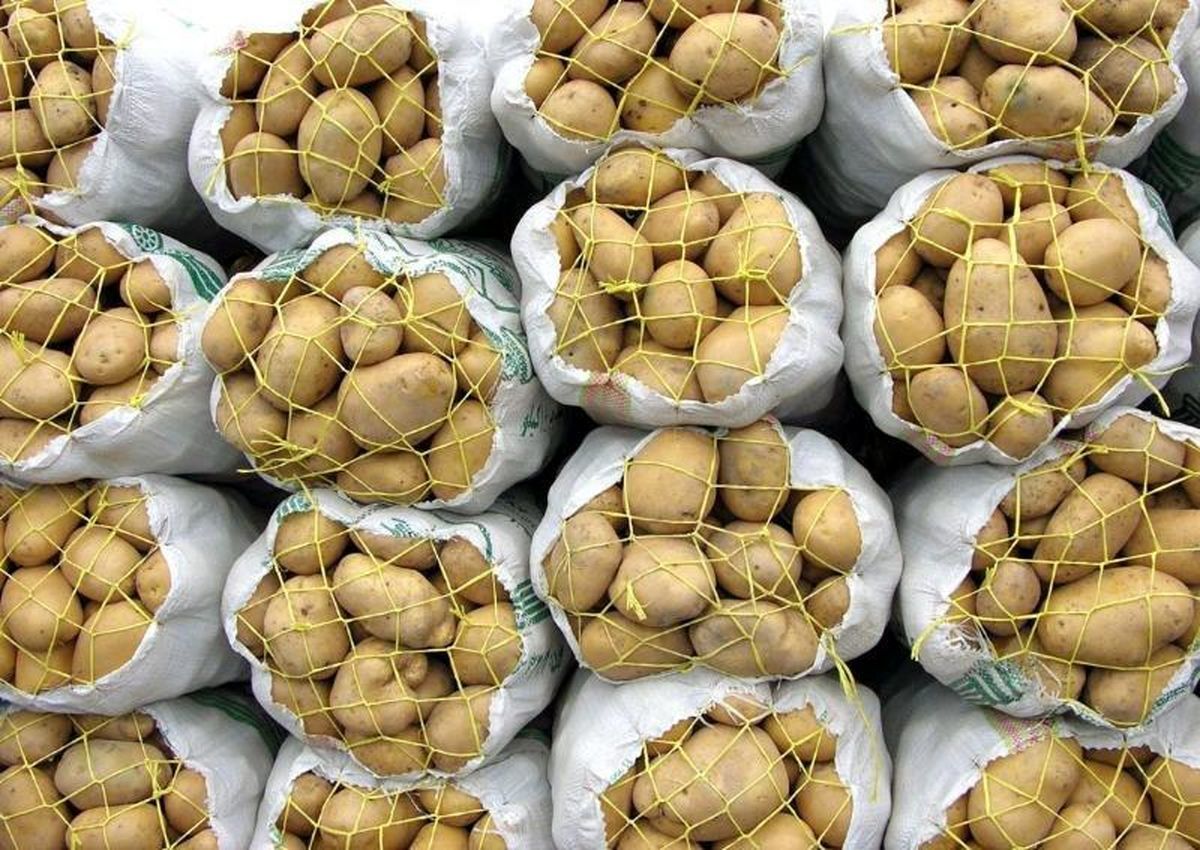
Iran will maintain its prohibition on potato exports through the end of Iranian year 1405, according to Jamaran. The Ministry of Agriculture Jihad’s Trade Development Department said exports will remain unavailable during this period, while the relevant government bodies must enforce the measure and oversee the product’s supply and distribution in the domestic market.
The department attributed the decision to an increase in per-capita potato consumption in Iran and the need to provide sufficient volumes for domestic buyers. It said the continued restriction is intended to preserve market balance, prevent a shortage of supply and meet consumer demand. The announcement did not provide production, inventory, consumption or price figures, and it did not specify whether exemptions could be granted.
More potatoes retained inside Iran
Keeping the export channel closed directs available potatoes toward Iran’s domestic market. For consumers and downstream buyers, the policy is designed to reduce the risk that external demand removes supplies from the country. Its actual effect on retail and wholesale prices will depend on harvest volumes, storage availability, distribution and domestic consumption, for which the announcement supplied no data.
For growers and merchants, the prohibition removes foreign sales as an outlet through the end of the stated period. Producers with marketable surpluses will therefore depend more heavily on domestic wholesalers, processors and retailers. If local availability exceeds demand, farm prices could face pressure; if production or distribution proves insufficient, the ban may only limit rather than eliminate the risk of tight supply. Neither outcome was quantified by the ministry.
Regional buyers lose access to Iranian supply
The decision also closes Iran as a source of potatoes for foreign buyers during the prohibition. Importers that had planned to purchase Iranian produce will need to seek alternative origins, use inventories or adjust procurement schedules. The notice did not identify affected destinations, historical export volumes, contract arrangements or the share of Iranian production previously sold abroad, making the regional impact impossible to measure from the available information.
The implementation requirement places enforcement and market supervision at the center of the policy. Relevant agencies are expected to monitor how potatoes move through domestic supply and distribution channels while preventing exports. For traders, the key operational issue is that no export opportunity is available before the end of Iranian year 1405. For producers, the central questions are whether domestic demand can absorb the retained volume and whether storage and processing capacity can prevent excess supply from translating into losses.
Policy targets availability rather than production
The measure addresses the destination of existing supply but does not itself increase output. No accompanying support for planting, storage, processing or transport was mentioned in the announcement. That distinction matters because an export ban can retain product within the country, but domestic availability still depends on the size and timing of the crop and on the ability of distributors to deliver it where demand is concentrated.
Until authorities publish production and price data, the clearest immediate effect is a redistribution of market access. Iranian consumers receive priority, exporters lose access to overseas customers, and potential foreign buyers must plan without Iranian potatoes. Market participants will now watch domestic prices, farm margins, stocks and enforcement for evidence of whether the restriction maintains balance without creating an excessive surplus for growers.