Iran defends feed-grain imports as corn pricing and buffalo-meat rules face scrutiny
Iran’s state livestock support company says imports are needed to cover a domestic feed deficit, with national corn demand at about 12 million tonnes a year. The agency also rejected claims of government buffalo-meat imports while acknowledging that controlled industrial imports may be permitted.
Imports described as necessary
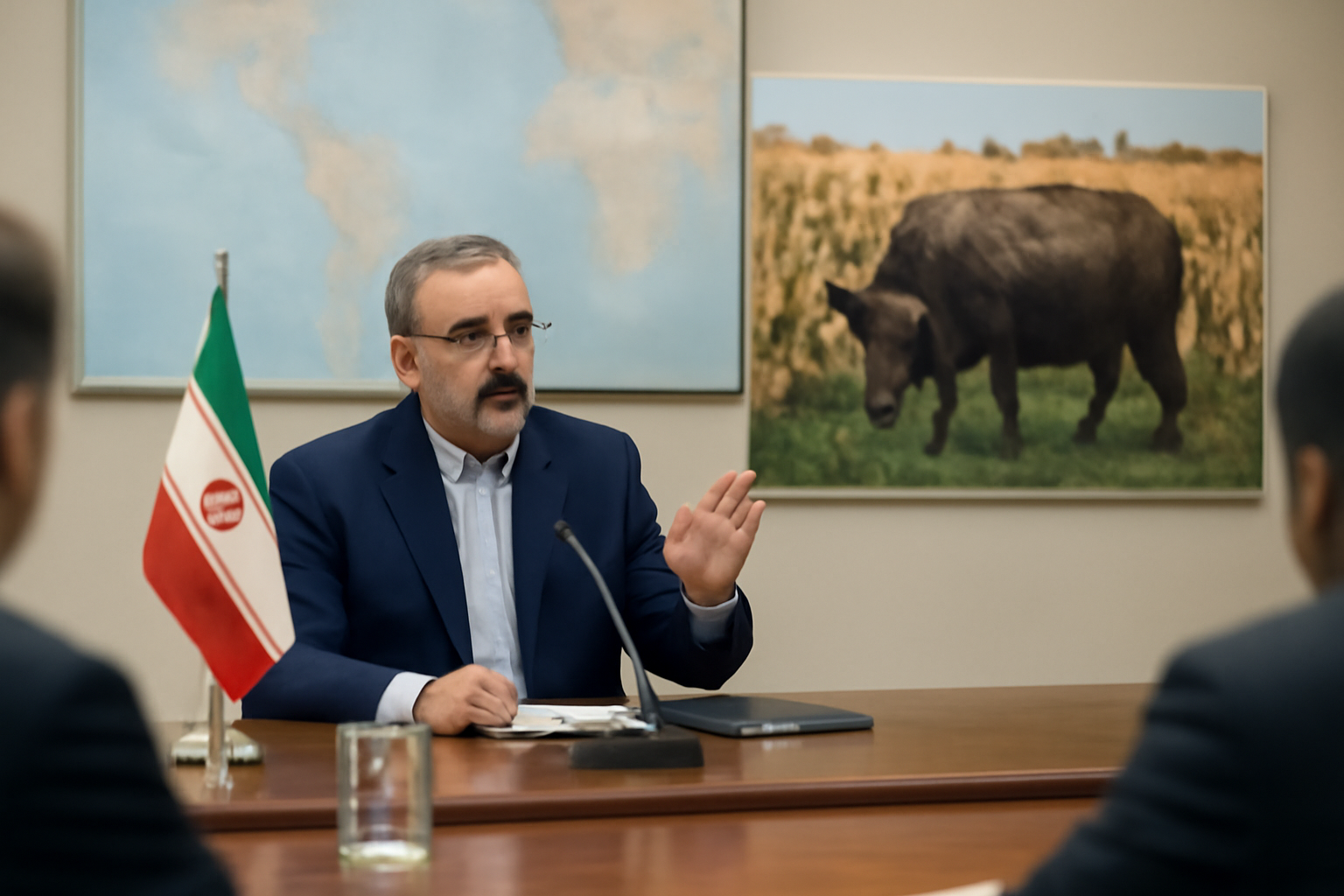
Iran needs extensive imports of corn and soybeans because limited agricultural land prevents domestic production from meeting demand, according to Parviz Jafari, chief executive of the state-run Livestock Affairs Logistics Company. In comments reported by Tabnak, Jafari described the purchases as necessary to fill the gap between national output and consumption rather than as a substitute for available domestic supplies.
Jafari put Iran’s annual corn requirement at about 12 million tonnes. He said a large share must be sourced abroad, principally from countries around the Black Sea, including Ukraine, as well as Argentina and Brazil. The comments underline the exposure of Iran’s livestock and poultry supply chains to overseas feed availability, freight conditions and the cost of completing transactions under sanctions.
Questions over the landed corn price
The official was responding to claims that the company had imported corn above international prices. Jafari said global corn was priced at approximately $360-$370 per tonne, but argued that a free-on-board quotation at the port of origin does not represent the final cost in Iran. Freight, insurance and other risks borne by the importer must be added, he said, including war-risk insurance under current conditions.
Jafari maintained that high warehouse inventories and competition among traders seeking quicker sales were keeping domestic offers competitive. He also said the company generally buys through tenders and calls for offers, selecting the lowest bid, and claimed that its purchases are normally completed below prevailing market prices. He invited parties claiming that they could import more cheaply to produce supporting documentation. Tabnak nevertheless framed the issue around the unresolved difference between the cited international benchmark and the price ultimately paid in the Iranian market.
Meat imports and authorization questioned
Jafari said the amount of meat Iran imports is reviewed daily against domestic production. Imports would decline if local output increased, he said, while adding that private traders will not bring in supplies without a commercial return following the liberalization of the exchange rate. No numerical volume for either current meat imports or the disputed feed-grain purchases was provided in the report.
The executive separately denied that the Ministry of Agriculture had imported any buffalo meat, saying it had not brought in even one kilogram and had issued no permit itself. He said, however, that if a customs tariff code exists for buffalo meat, the Veterinary Organization may authorize imports for industrial use and in certain controlled cases. Selling buffalo meat as beef would constitute a violation and would prompt enforcement action when detected, he added. The distinction leaves processors and meat traders focused on which agency issued any authorization, what end use was approved and whether retail labeling matched the imported product.