Interpipe Restarts Romanian Steel-Pipe Plant and Seeks Up to €20 Million in Financing
Ukraine’s Interpipe has restarted production at the former ArcelorMittal Tubular Products plant in Roman, its first manufacturing platform in the European Union. The group plans to borrow up to €20 million as it modernizes the site and considers operating two production lines.
Production resumes after acquisition
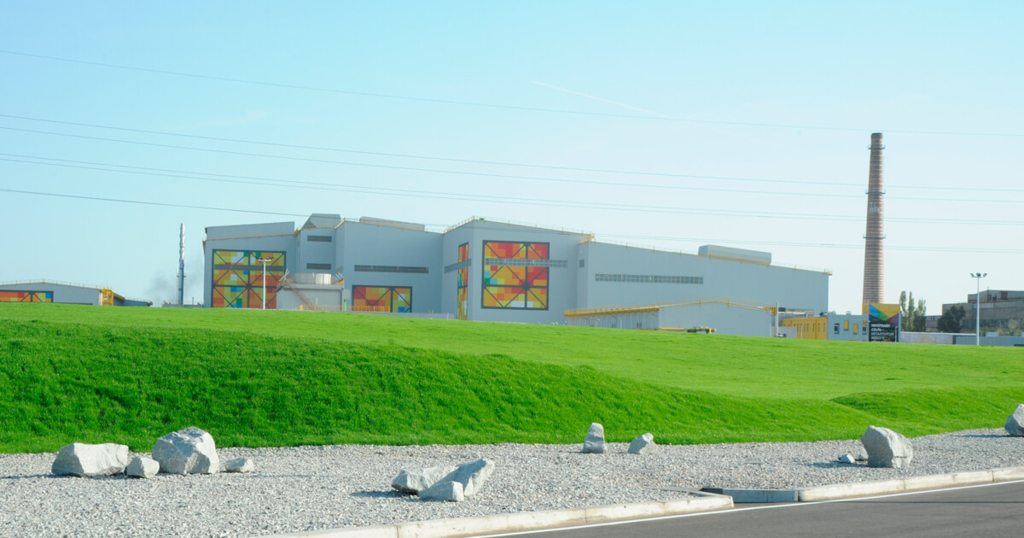
Ukrainian steel-pipe and railway-products producer Interpipe has restarted production at the former ArcelorMittal Tubular Products plant in Roman, Romania, as it begins integrating its first manufacturing site in the European Union. The acquisition was completed on 31 March 2026 and officially announced in April 2026, according to Ziare.com.
The transaction transformed ArcelorMittal Tubular Products Roman into Interpipe Roman S.A. Interpipe said all conditions for completing the purchase had been met, including competition clearances and foreign-investment approvals from the Ukrainian and Romanian authorities. Chief executive Luca Zanotti described the Roman plant as the group’s first production platform both in the EU and outside Ukraine.
The restart gives the Dnipro-based company a manufacturing foothold closer to European customers. Interpipe exports steel pipes and railway products to more than 70 countries and employs approximately 9,500 people. The source provides differing figures for personnel serving in Ukraine’s armed forces or security structures: one passage puts the total at 1,500, while another reports about 1,150.
Credit sought for modernization
Interpipe intends to obtain a loan of up to €20 million from the Black Sea Trade and Development Bank, Ziare.com reported, citing Profit.ro. Evgeniy Dmitrenko, general director of Interpipe Roman S.A., has met Roman mayor Laurențiu Dan Leoreanu in connection with the completed acquisition and the factory’s conversion into the new operating company.
The producer has already started modernizing and re-equipping the plant. One proposal under consideration would expand operations across two production lines, allowing Interpipe to use more of the site’s available potential. The source does not specify the plant’s current or targeted annual capacity, the loan’s maturity or the amount Interpipe will invest from its own funds.
The proposed financing would therefore support an industrial ramp-up whose final scale remains tied to commercial demand. Access to as much as €20 million could help fund equipment work and working capital, but production volumes will depend on orders rather than the plant’s technical potential alone.
Semifinished supply and market demand
Interpipe is currently concentrating on increasing deliveries of semifinished material to the Romanian factory. The pace of rolling and product finishing will depend on market demand, giving the company flexibility as it restores operations and builds an order book for the site.
That operating model connects Interpipe’s Ukrainian industrial base with downstream processing in Romania. For pipe buyers, the Roman restart adds an EU-based production option backed by a supplier with sales across more than 70 countries. For Interpipe, the plant provides a platform for rolling and finishing closer to customers while preserving demand-based control over utilization.
The next indicators for market participants will be whether the Black Sea Trade and Development Bank approves the financing, when a second production line could enter operation and how quickly semifinished deliveries and finished-pipe orders increase. Until those details emerge, the restart establishes Interpipe’s physical presence in EU manufacturing, while the proposed credit defines the immediate ceiling for externally funded expansion disclosed so far.
Full market analysis