International Retailers Expand Sourcing From Vietnam Ahead of VIS 2026
Retailers and distributors from India, China, the US, Mexico and Taiwan are increasing sourcing in Vietnam ahead of the VIS 2026 trade fair. Vietnam-Mexico trade grew 27.4% in 2025 and nearly 40% in the first half of 2026.
International Buyers Expand Sourcing in Vietnam
Retailers, importers and distribution networks from India, China, the United States, Mexico, Taiwan and other markets are increasing efforts to source goods in Vietnam, Vietnam's Foreign Market Development Department, part of the Ministry of Industry and Trade, said on July 14, according to sggp.org.vn. The department said Vietnam is emerging as a key production and supply destination in the region as international groups diversify their sourcing.
Rather than placing short-term orders, many international buyers are seeking long-term partnerships with suppliers that meet quality, traceability, sustainability and stable-supply standards, the department said. Officials view this as an opportunity for Vietnamese businesses to expand export market share and integrate more deeply into global supply chains.
Reliance and Pagoda Lead Demand From Asia
Reliance Retail, India's largest retail chain, is sourcing agricultural products, processed food, seafood, coffee, cashews, pepper, wood furniture, household goods, textiles and footwear from Vietnam to serve a domestic market of more than 1.4 billion people, sggp.org.vn reported.
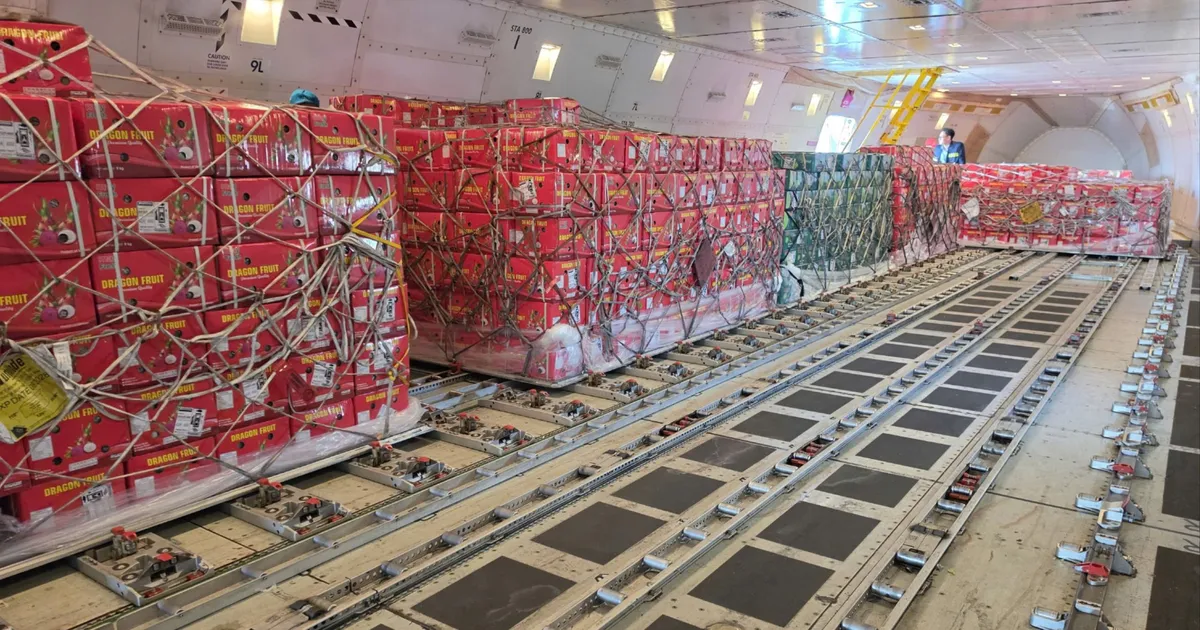
Pagoda, a leading Chinese fruit retail group with more than 6,000 stores, is expanding purchases of Vietnamese tropical fruit including durian, coconut, banana, dragon fruit, mango and jackfruit. The company is prioritizing suppliers with certified growing areas, traceability and stable supply capacity.
Distributors From the Americas Broaden Sourcing
Distributors in Taiwan, the United States, Mexico and Brazil are also expanding sourcing from Vietnam across processed food, beverages, spices, consumer goods, furniture, stationery and pet products, according to sggp.org.vn.
Among them, ESFLO MKTING, S.A. de C.V., a Mexican distributor with a network of more than 1,670 points of sale across all 32 Mexican states combining traditional retail, wholesale and e-commerce, has confirmed it will attend the Vietnam International Sourcing Expo (VIS 2026), scheduled for September 3-5, 2026, vneconomy.vn reported. The company is seeking Vietnamese partners in three categories: stationery and school supplies, gaming furniture — particularly gaming chairs and desks, a segment growing alongside Mexico's gaming and esports industry — and pet products such as bedding, houses, carriers, bowls and collars. ESFLO said it prioritizes large-scale manufacturers that meet international standards and can develop products under private-label arrangements. The company plans to visit factories, audit quality-management processes, certifications, delivery capacity and minimum order quantities during VIS 2026 to select long-term partners.
Vietnam-Mexico Trade Accelerates
Bilateral trade between Vietnam and Mexico reached $8.17 billion in 2025, up 27.4% from the previous year, vneconomy.vn reported, citing Vietnamese trade officials. Vietnam's exports to Mexico totaled more than $7 billion, up nearly 29%. Growth continued in the first half of 2026, with two-way trade exceeding $5 billion; Vietnam's exports to Mexico alone reached about $4.3 billion, up nearly 40% year-on-year.
Mexico is now Vietnam's second-largest trade partner in Latin America, while Vietnam has become Mexico's eighth-largest trade partner in Asia. Vietnam's main export categories to Mexico — electronics, machinery, textiles, footwear, plastics, rubber, wood products and seafood — are all recording positive growth, according to vneconomy.vn. Officials cited tariff preferences under the CPTPP trade agreement as a key factor drawing Mexican buyers to Vietnam, alongside Mexico's population of more than 134 million and its network of free trade agreements covering roughly 90% of its trade volume, which position the country as a gateway to the United States, Canada and other regional markets.
To capture the opportunity, Vietnamese exporters must meet Mexico's technical requirements, including Spanish-language labeling and compliance with Mexico's NOM technical standards, as well as CPTPP rules of origin to secure tariff benefits and reduce trade-defense risks, the report said.