Indonesian small businesses send two containers of palm midribs to China
Indonesian farmers and small businesses have exported two containers of processed oil-palm midribs to China with support from BPDP and ASPEKPIR. Technical assistance focused on meeting buyer specifications, quality requirements and export procedures.
Byproduct reaches an overseas buyer
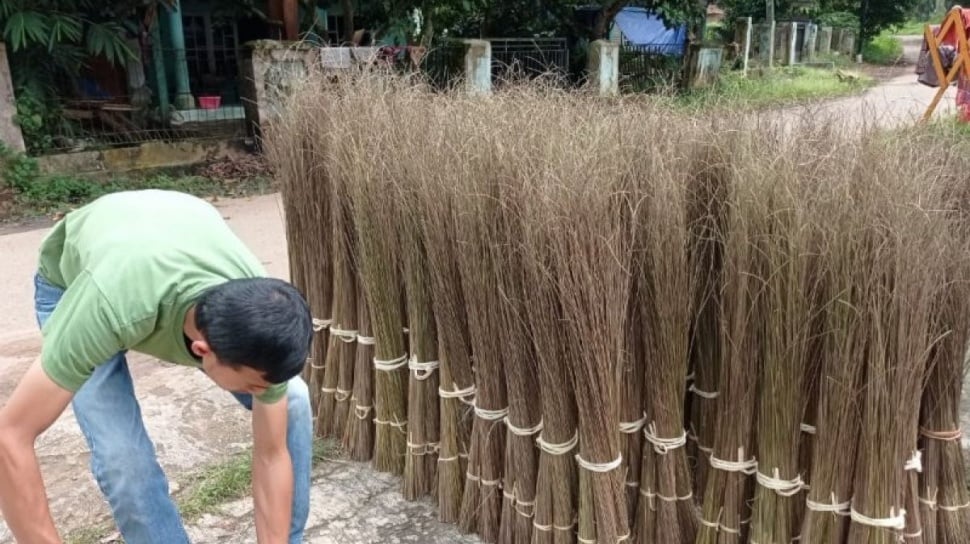
Indonesian farmers and micro, small and medium-sized enterprises have exported two containers of oil-palm midribs to China, turning a locally used plantation byproduct into a traded product. Suara.com reported that the shipment resulted from cooperation between the Plantation Fund Management Agency, known as BPDP, and the Association of Indonesian Nucleus Estate Smallholders, or ASPEKPIR.
The product is made from the rigid central ribs of oil-palm leaves. Before the export initiative, midribs collected by participating farmers and small businesses were used mainly for domestic purposes. Access to the Chinese market gives those operators another potential revenue stream alongside their conventional plantation activities, although the report did not disclose the shipment's weight, value, destination within China or buyer.
The initiative is intended to reduce farmers' reliance on sales of fresh fruit bunches. ASPEKPIR chairman Setiyono said other parts of the oil-palm plant can also be developed into products that add value for growers. This approach does not replace the crop's principal output, but it may allow businesses to earn income from material already generated during plantation work.
Technical support targets buyer specifications
Having raw material was not sufficient to secure the order. According to Suara.com, BPDP and ASPEKPIR organized workshops and practical assistance covering product specifications, quality requirements and preparations before export. ASPEKPIR also received assistance from Arra Setya Abadi, or ASA, while selected members were trained to produce midribs matching exporters' specifications.
Setiyono described the process as a long one rather than an immediate move into exports. The work required producers accustomed to local demand to adapt their output to international requirements. For small suppliers, consistency is particularly important: material from several farmers may have to be assembled into a uniform commercial lot before it can be loaded into containers and accepted by an overseas customer.
Helmi Muhansah, head of BPDP's Community and SME Cooperation Division, said palm midribs have considerable potential to create added value, particularly in rural areas. He also said BPDP was prepared to provide technical support to committed businesses. No future shipment schedule or production target was announced, so the two-container delivery should be viewed as an initial commercial test rather than evidence of a large established trade flow.
A model for other plantation products
The shipment provides a working example of how farmer organizations, public funding and technical specialists can connect small rural producers with export buyers. The immediate commercial scale remains limited to two containers, but the more significant result is that participating businesses completed the steps needed to satisfy an international order.
For producers, the next challenge is repeatability. Further sales will depend on maintaining the required specifications, organizing collection from members and preparing consignments reliably. For Chinese buyers and Indonesian exporters, consistent quality and dependable aggregation will determine whether palm midribs develop beyond occasional shipments.
BPDP and ASPEKPIR regard the project as a possible collaboration model for developing other plantation-derived products. Any expansion, however, will require products with identifiable demand and specifications that small enterprises can meet consistently. The first shipment establishes market access; it does not yet establish the size, price or durability of that market.