Indonesian groups challenge proposed tobacco and kretek restrictions
Fifteen Indonesian community organizations have submitted six demands opposing proposed restrictions on tobacco products, e-cigarettes and kretek cigarettes. The groups say the measures could affect small and medium-sized manufacturers, retailers and agricultural supply chains supporting 2.5 million tobacco farmers.
Fifteen groups coordinate opposition
Fifteen community organizations from tobacco- and clove-producing regions of Indonesia have urged the government to withdraw or halt a series of measures affecting tobacco products, e-cigarettes and kretek cigarettes. The campaign brings together Komunitas Kretek and the National Committee for Kretek Preservation, known as KNPK, with representatives from areas including Temanggung, Magelang, Kebumen, Semarang, Kudus, Jember, Garut, Bandung, Situbondo, Wonosobo, Rembang, Pamekasan, Yogyakarta, Sumenep and Nganjuk.
NTV News reported that the organizations presented their position during National Kretek Day events held from 30 September to 3 October 2026. Komunitas Kretek spokesperson Khoirul Atfifudin said the consolidation was intended to unite participants across agriculture, manufacturing and trade. The organizations argue that policies under consideration have not fully accounted for the social and economic conditions of producing regions. Their claims represent the position of industry-linked community groups rather than a government assessment of the measures.
Six demands target packaging, excise and product rules
According to ANTARA and NTV News, the organizations submitted six demands to the Indonesian government:
- Repeal Government Regulation No. 28 of 2024, which implements Health Law No. 17 of 2023.
- End deliberations on a draft Health Ministry regulation governing tobacco products and e-cigarettes, including a proposed plain-packaging requirement.
- Stop further increases in cigarette excise rates, which the groups say place additional pressure on businesses and consumers.
- Reject limits on tar and nicotine levels, which opponents argue could alter the distinctive characteristics of Indonesian kretek.
- Reject a single cigarette excise tariff, which the organizations say would disadvantage small and medium-sized manufacturers.
- Halt other restrictive rules that they believe threaten the continuity of the kretek industry ecosystem.
Agricultural and retail exposure
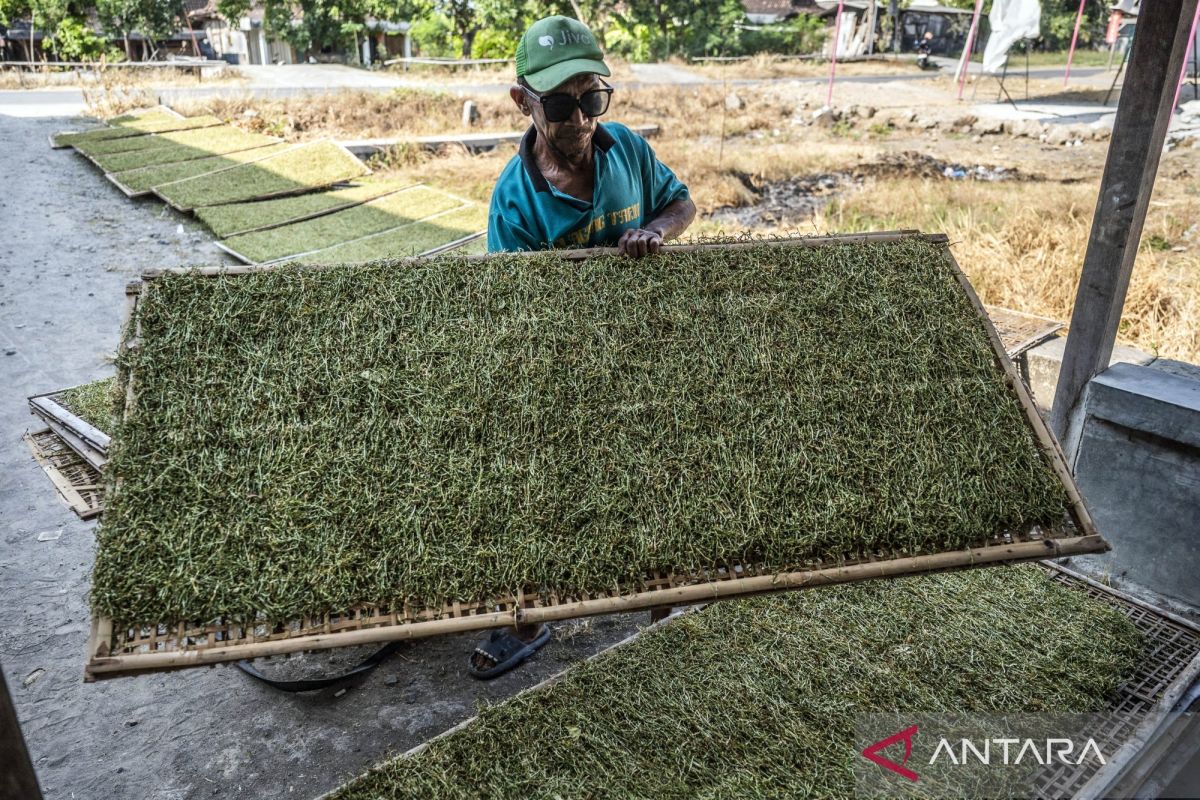
The dispute extends beyond cigarette factories. KNPK spokesperson Alfianaja Maulana said plain packaging, limits on nicotine and tar, and a possible ban on additives could affect tobacco and clove farmers, hand-rolling workers, traditional-market traders and small-shop retailers. The groups have not provided quantified estimates of potential job losses, but they say millions of people depend on the tobacco-products industry for income.
The organizations cited the kretek industry's role as a major buyer of domestic crops. They said kretek manufacturers absorb as much as 95% of Indonesia's clove production. Annual clove output was put at more than 130,000 to 140,000 tonnes, with important producing areas including South Sulawesi, Maluku, East Java, North Sulawesi and Central Java. They also said around 2.5 million tobacco farmers depend on the sector and that national tobacco production exceeds 230,000 tonnes per year.
For manufacturers, the proposals could affect packaging costs, product formulations and excise structures simultaneously. A single excise rate would be particularly relevant to smaller producers if it removed distinctions that currently reflect company scale or product category. For farmers, the commercial impact would depend on whether tighter product rules reduce manufacturers' purchases of locally grown tobacco and cloves. Retailers would face a separate risk if restrictions changed the range, presentation or price of products sold through traditional markets and neighborhood shops. The reports did not include a government response or a timetable for decisions on the draft Health Ministry regulation.