Indonesian cane farmers seek higher sugar price and curbs on 150,000-tonne import
Indonesian cane growers want the farmer sugar benchmark raised from Rp14,500 to Rp16,875 per kilogram ahead of the 2026 crushing season. They also seek scrutiny of permits for 150,000 tonnes of imported raw sugar, warning that arrivals during crushing could depress prices and hinder absorption of domestic output.
Growers press for a new benchmark
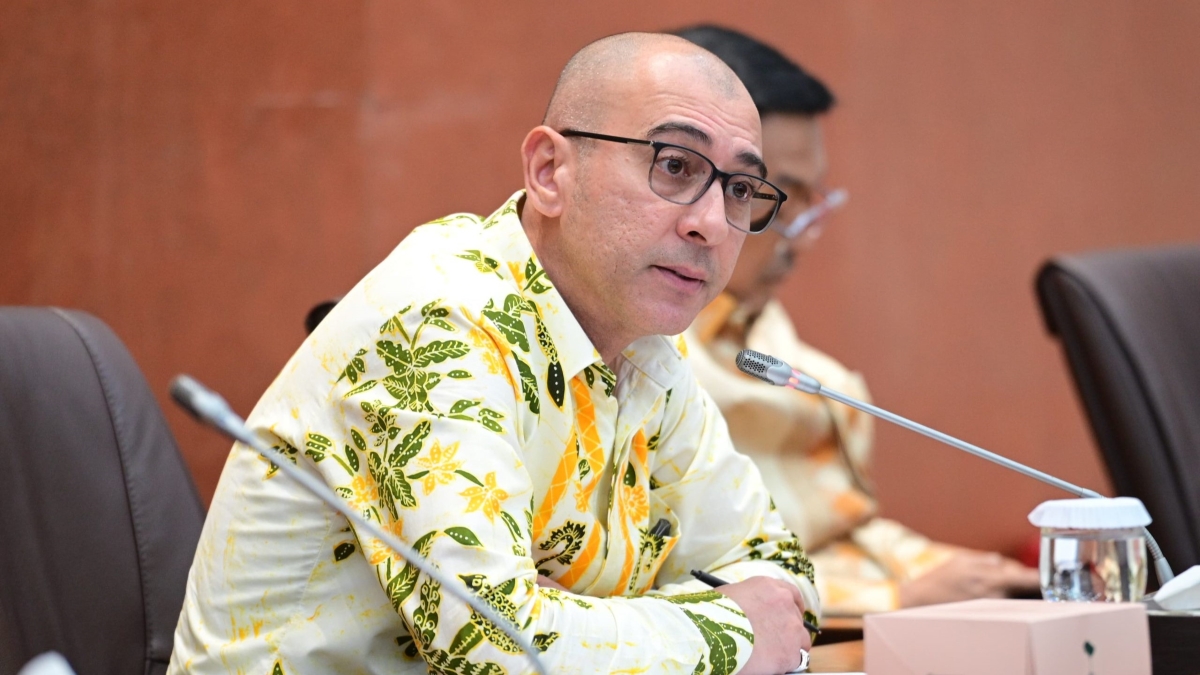
Indonesia’s smallholder cane growers are pressing the government to raise the reference purchase price for farmer-produced sugar and reconsider the timing and management of imports. The Indonesian People’s Sugarcane Farmers Association, known as APTRI, presented its demands at a public hearing with the House of Representatives’ Commission VI sugar import oversight working group on September 21, 2026.
According to Pantau, the National Food Agency has kept the reference purchase price at Rp14,500 per kilogram since 2024. APTRI is proposing Rp16,875 per kilogram for the 2026 crushing season. Its documents also cite a minimum price of Rp15,500 per kilogram based on a production-cost survey, prompting Commission VI member Nasim Khan to call for a transparent formula that can reconcile the two figures.
Growers argue that the existing benchmark no longer reflects their expenses. APTRI identified increases in the cost of non-subsidised fertiliser, labour, land rent, processing and transport. Fertiliser policy is another concern: government support is limited to a maximum area of 2 hectares per farmer, while the subsidised allocation does not cover the full agronomic requirement. Farmers must therefore purchase additional fertiliser at commercial prices.
Imports coincide with the crushing season
The dispute has intensified after permits were issued for 150,000 tonnes of raw sugar intended for the consumer sugar market. APTRI objects to imports arriving while domestic mills are crushing cane, when farmer sugar needs to be absorbed. The association wants the government to verify the national sugar balance, arrival schedules, final users and destination regions, as well as the effect of imported material on prices and purchases of local sugar.
The central issue is not only the annual import volume but when and where it reaches the market. If imported sugar is distributed into areas supplied by domestic mills during the crushing season, it could weaken buyers’ demand for farmer output. That would expose growers to lower realised prices even if an official benchmark remains in place, while refiners and distributors need clear rules on permitted users and sales channels.
APTRI also raised concerns about suspected leakage of refined sugar into the consumer market. Such sales would blur the separation between industrial and household sugar channels and create additional competition for locally produced sugar. The association is seeking stronger distribution traceability, stock inspections and sanctions where violations are found.
Yield losses and mill performance add pressure
Supply conditions are already difficult. Pantau reported, citing APTRI, that drought and land fires reduced cane production by about 20% to 25%. Sugar recovery rates also differ: state-owned mills record recovery of around 7%, while private mills can exceed 8%. A lower recovery rate means less sugar from the same quantity of cane, affecting farmer revenue and the production cost per kilogram.
Molasses revenue has also been volatile. Its price fell from about Rp2,500 per kilogram in 2024 to Rp1,000-Rp1,400 in 2025, before recovering to above Rp2,000 by mid-2026. For growers, the combination of crop losses, higher input costs and uncertain by-product revenue strengthens the case for revising the sugar benchmark. For mills, refiners and traders, the policy decision will determine how domestic cane sugar and imported raw sugar are balanced without disrupting crushing-season purchases or consumer supply.