Indonesia Weighs 60-Day Mining Suspensions and Permit Revocations for Coal DMO Breaches
Indonesia’s Energy and Mineral Resources Ministry is considering stronger sanctions against coal miners that fail to meet domestic market obligations. Measures could include fines, export bans, mining suspensions of up to 60 days, delayed approval of work plans and, ultimately, permit revocation.
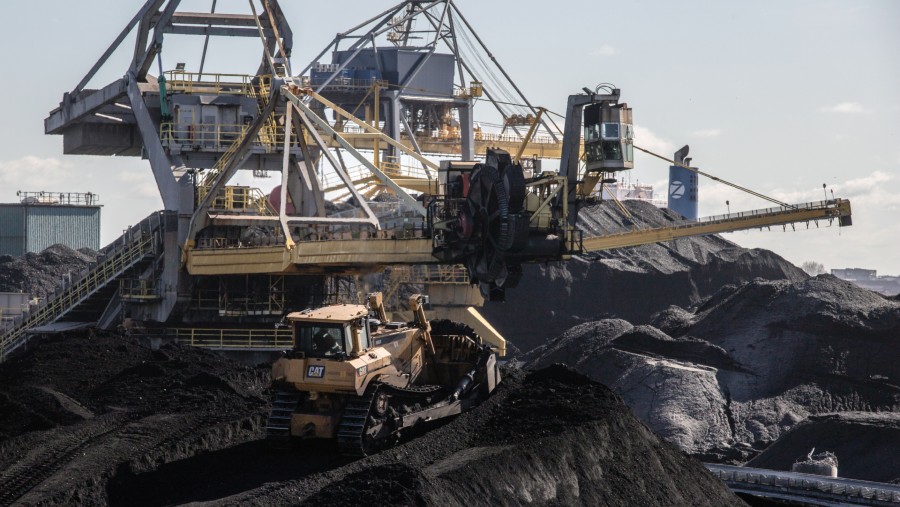
Indonesia considers escalating sanctions
Indonesia’s Ministry of Energy and Mineral Resources is considering tougher penalties for coal mining companies that fail to meet their domestic market obligation, or DMO, according to Bloomberg Technoz. The proposed enforcement framework would broaden the consequences of a supply shortfall beyond financial penalties and could eventually prevent a non-compliant producer from continuing to operate.
Information disclosed by a ministry official to Argus Media and cited by Bloomberg Technoz on September 22, 2026, indicates that sanctions would escalate in stages. A company that does not deliver its required domestic quota would initially face a fine from the ministry. Further measures could include an export ban that remains in place until the company covers its outstanding domestic supply obligation.
Suspensions and permit revocation raise operational risk
The ministry is also reported to be considering the suspension of mining activities for up to 60 days. Continued non-compliance could ultimately result in the revocation of the company’s mining business permit, known in Indonesia as an IUP. Such measures would directly affect production and sales rather than treating a DMO shortfall solely as a financial compliance issue.
An export restriction tied to the outstanding obligation would be particularly significant for producers serving both domestic and overseas customers. A miner that misses its domestic quota could lose access to export markets until the shortfall is remedied, increasing the commercial cost of prioritizing foreign sales. A temporary halt of up to 60 days would create an additional operational consequence, while IUP revocation would represent the final and most severe sanction described in the report.
Work-plan approvals could become an enforcement tool
Beyond fines, export restrictions and operating suspensions, the ministry is reportedly planning to withhold approval of work plans and budgets, known as RKABs, from miners that do not comply with the coal DMO mandate. Under Indonesia’s existing mining regulations, a company must hold an approved RKAB for the current year to continue operating. Delaying or withholding that approval would therefore give the ministry another mechanism to restrict activity without immediately revoking the underlying mining permit.
The proposal would connect domestic supply performance more closely to a producer’s ability to maintain output. Companies would need to account for DMO compliance not only as a sales requirement but also as a condition affecting export access, mine continuity and annual operating authorization. For coal buyers, traders and investors, the relevant risks would extend from possible interruptions at individual mines to changes in the availability of Indonesian coal for overseas customers.
Compliance moves closer to the center of planning
Bloomberg Technoz described the measures as under consideration rather than finalized. The source text does not specify the applicable DMO quota, the size of the proposed fines, a timetable for adoption or whether the sanctions would apply automatically in every case. Those details will determine how strongly the framework changes producer behavior.
Even without those parameters, the sequence of possible penalties signals a tougher enforcement approach: a fine, an export ban until the supply deficit is cleared, a suspension of up to 60 days and eventual IUP revocation. The possible withholding of RKAB approval adds a separate constraint because miners require that authorization to operate during the current year. Coal companies with both domestic and export commitments would consequently have to place proof of domestic deliveries at the center of production, sales and regulatory planning.