Indonesia Weighs Soybean Subsidy as Imported Bean Prices Reach Rp13,700 per Kilogram
Indonesia is considering subsidies or another intervention after imported soybean prices rose above official reference levels. The issue affects tofu and tempeh producers in a market that consumes about 2.7 million tonnes of soybeans annually and imports more than 90% of its requirements.
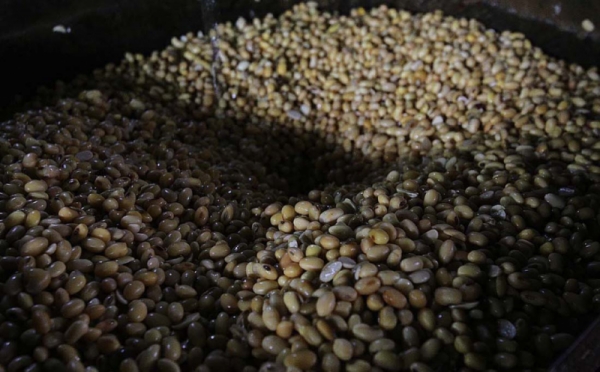
Imported soybean prices exceed official benchmarks
Indonesia is considering a soybean price subsidy for tofu and tempeh producers after imported dry soybean prices climbed above the government’s official reference levels. Trade Minister Budi Santoso said the government was coordinating across ministries on measures intended to keep soybean-based foods affordable and protect small-scale processors.
Data from the Trade Ministry’s Market and Basic Needs Monitoring System and the National Food Agency’s price panel put the national average price of imported dry soybeans at Rp13,600-Rp13,700 per kilogram in early October 2026. Okezone and iNews reported that this was above the Selling Reference Price established under National Food Agency Regulation No. 12 of 2024.
Processors face a widening cost gap
The regulation sets a maximum reference price of Rp12,000 per kilogram for tofu and tempeh producers and Rp11,500 per kilogram at the importer level. The early-October national average was therefore Rp1,600-Rp1,700 above the processor benchmark and Rp2,100-Rp2,200 above the importer benchmark.
Separate figures cited by both publications placed soybean raw-material prices in the market at about Rp13,200 per kilogram. According to iNews, Santoso said on 6 October 2026 that the level had risen from Rp12,000 per kilogram. The government had contacted the Coordinating Ministry for Food Affairs and wanted an interministerial coordination meeting to be held quickly.
Import dependence increases exposure
Indonesia requires about 2.7 million tonnes of soybeans annually, according to National Food Agency food-balance data cited by iNews. More than 90% of that requirement is met through imports, leaving domestic tofu and tempeh supply chains highly exposed to changes in the cost and availability of foreign beans.
iNews linked the domestic increase to Indonesia’s dependence on overseas supply and its exposure to global geopolitical conflict, a stronger US dollar and higher oil prices. Those factors can raise the rupiah cost of imported soybeans and increase international shipping expenses. For importers and processors, the impact can pass through the chain even when physical supplies remain available.
Subsidy design and stocks remain under review
Santoso said the government was examining whether to revive an earlier scheme that compensated for the price difference on imported commodities. A final decision from the cabinet leadership was still pending, and the response could take the form of a subsidy or another intervention. No subsidy rate, budget, eligibility rules or implementation date was disclosed in the source material.
The government is also monitoring physical soybean availability through the Government Soybean Reserve managed by state food company Perum Bulog. For tofu and tempeh makers, the immediate issue is whether official action can narrow the gap between current input costs and the Rp12,000 reference price. For importers, any mechanism will depend on how the government calculates the eligible price difference and connects support to imported volumes. Consumers remain exposed because tofu and tempeh affordability depends on whether processors absorb higher costs, receive assistance or pass the increase into retail prices.