Indonesia Watches Thai Sugar Decline as Industrial Supply Risks Rise
Indonesia’s business chamber is monitoring the effect of lower Thai sugar production on domestic industrial supplies and prices. Thailand’s position as a major supplier leaves food and beverage manufacturers exposed to tighter availability and higher import costs.
Thailand’s crop outlook raises concern in Indonesia
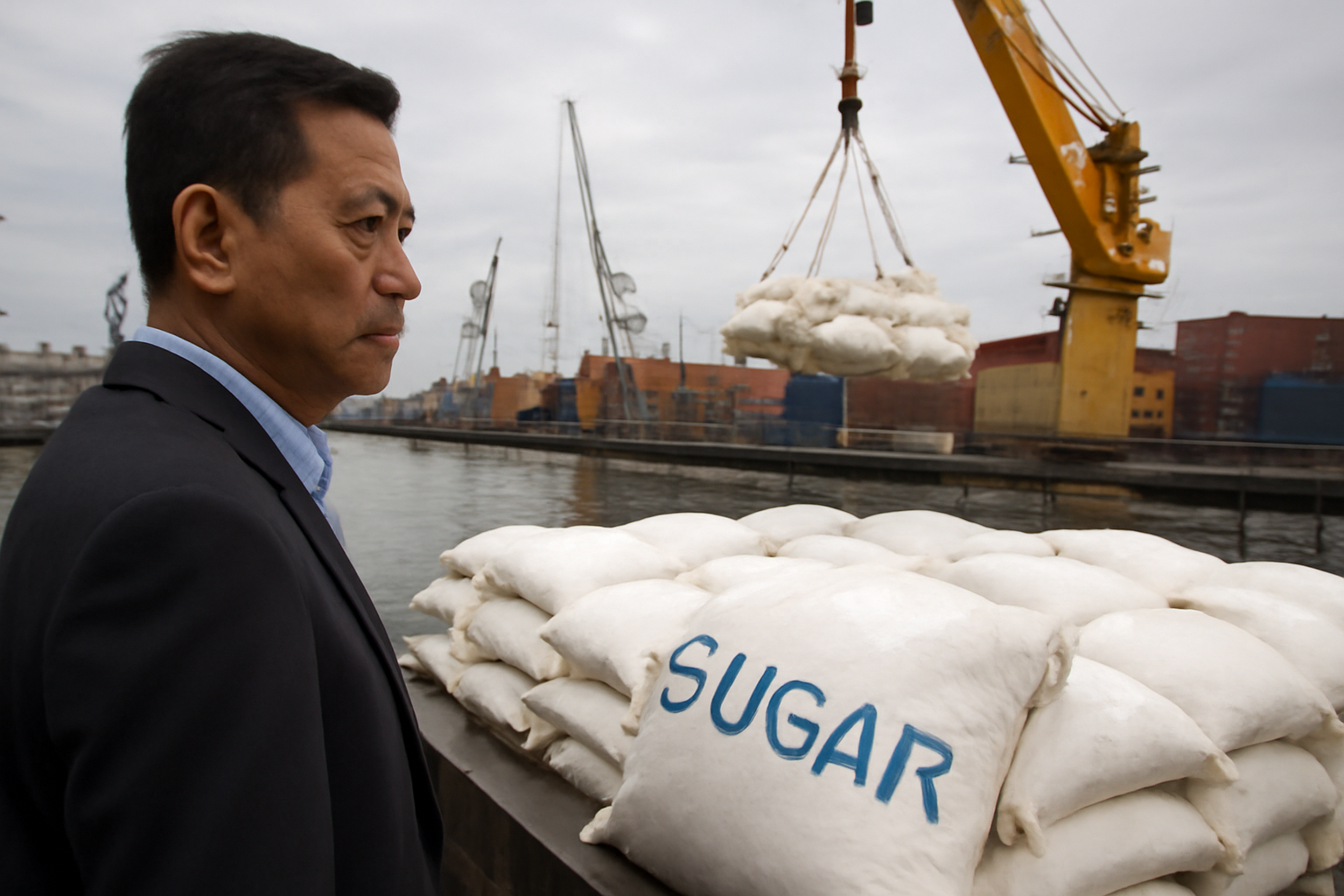
The Indonesian Chamber of Commerce and Industry, known as Kadin, is watching the potential impact of declining sugar production in Thailand on the availability and price of industrial sugar in Indonesia, KONTAN reported. The concern centers on sugar used by food and beverage processors rather than solely on the household retail market.
Thailand is an important source of imported sugar for Indonesia. Bisnis Indonesia reported that Thailand exported 1.21 million tonnes of sugar to Indonesia in 2022, compared with 847,618 tonnes supplied by India. Those volumes show why disruption in Thailand can quickly become a procurement issue for Indonesian manufacturers, even when alternative origins remain available.
Lower output could tighten regional availability
Bisnis Indonesia, citing a note from commodity trader Czarnikow Group, reported that Thai sugar production could fall to its second-lowest level since the 2009–2010 season. The report linked the risk to weather conditions: according to the Bangkok Post, Thailand’s rainy season was expected to start later than usual, with interrupted rainfall during June.
A smaller Thai crop would reduce the volume available to buyers competing for supplies in Asia. For Indonesia, the immediate commercial risks are higher import prices, less flexibility in delivery schedules and stronger competition for cargoes. The effect would be most direct for processors whose production plans depend on a steady supply of industrial-grade sugar.
Food manufacturers face a margin test
Sugar is a core input for beverage, confectionery, bakery and other processed-food businesses. When imported raw-material costs rise, manufacturers must either absorb the increase, seek efficiencies elsewhere or pass part of the cost to customers. The outcome will depend on procurement contracts, inventories and the ability of individual companies to switch suppliers; the available reports provide no figures for current stocks or contracted volumes.
The situation also puts sourcing concentration under scrutiny. India was already a substantial supplier to Indonesia in 2022, but availability from any alternative origin depends on its own crop and export policy. Kadin’s warning therefore points to a practical need for importers and processors to monitor Thai production, supplier commitments and shipment timing. Without a quantified production forecast in the available report, the scale of the eventual shortage and its price effect remain uncertain, but Indonesia’s exposure to Thai cargoes makes the crop decline commercially significant.