Indonesia’s vanilla exporters see room for growth as overseas demand remains open
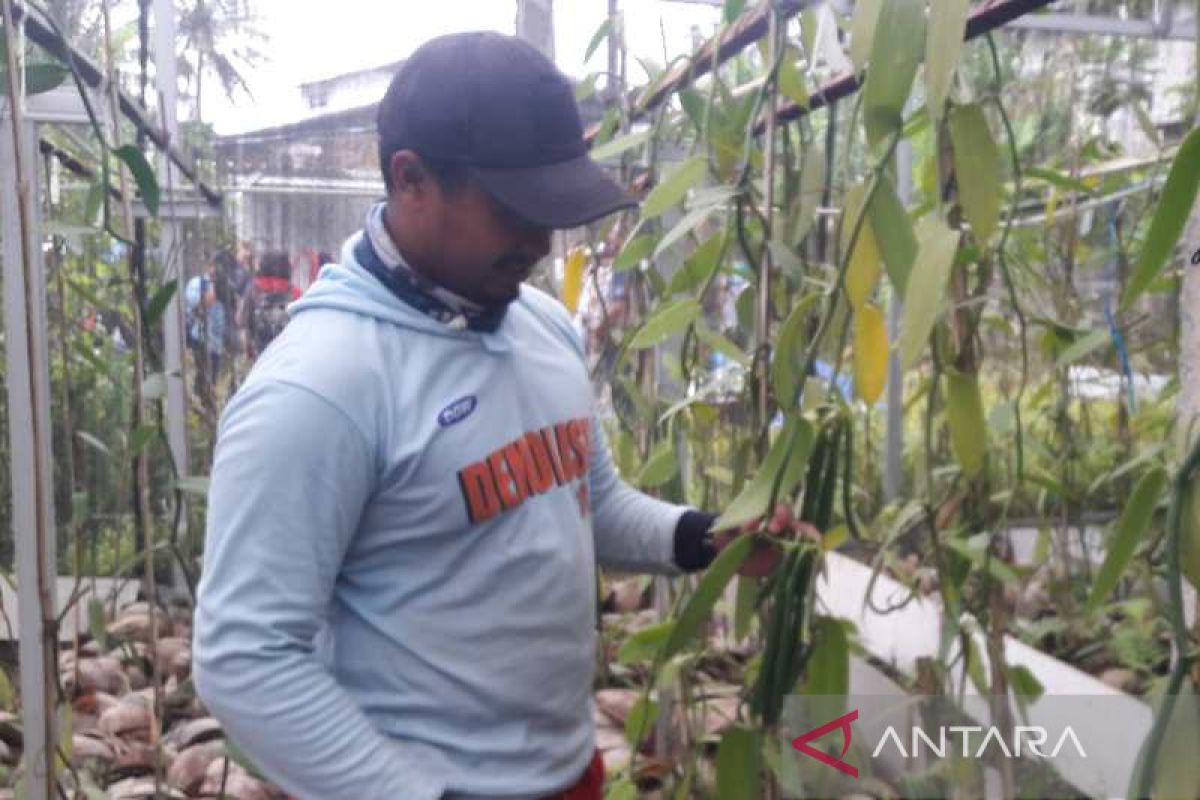
Indonesian vanilla exporters see further potential in the United States, Europe and Asia, but limited and inconsistent production remains a constraint. PT Java Agro Spices exports about 10 tonnes annually, sourcing beans from several Indonesian regions.
Export markets remain available
Indonesia has further scope to expand vanilla exports, provided farmers increase production and maintain supplies through changes in market prices. Singgih Arie Pratomo, president director of PT Java Agro Spices, told ANTARA that export demand remained open and prices offered farmers an incentive to develop the crop.
Pratomo, also known as Tomy, has exported vanilla since 2016. He said Indonesian shipments currently account for only about 5% of total demand, indicating a substantial gap between available supply and the needs of overseas buyers. The figure also highlights the production challenge: export growth will depend on whether Indonesia can provide consistent volumes rather than relying only on periods of high prices.
The United States is the company’s largest export destination. Its European markets include France, Germany, Russia, Spain and the Netherlands, while Asian shipments go to Japan and Thailand. This range of destinations gives Indonesian suppliers access to several markets, but it also makes product quality and dependable delivery important for preserving buyer relationships.
Annual exports reach about 10 tonnes
PT Java Agro Spices exports approximately 10 tonnes of vanilla each year. The company sources its raw material from across Indonesia, including East Nusa Tenggara, Sulawesi, Sumatra and Papua. Sulawesi and East Nusa Tenggara currently have relatively abundant supplies because farmers there continued cultivating vanilla even when prices declined, according to Pratomo.
Production has been less stable elsewhere. When prices fell, many farmers cut down vanilla plants and replaced them with other crops. The same pattern occurred in Temanggung, Central Java, despite the district’s history as a vanilla-producing area. Rebuilding output will therefore require more than favorable current prices: growers must be willing to retain the crop when market conditions weaken.
Vanilla’s price history explains this caution. Pratomo said dried vanilla was valued at only Rp30,000 per kilogram during the 2003-2004 downturn, prompting many farmers to stop cultivating it. The market changed sharply in 2016-2017, when fresh-picked vanilla reached Rp700,000 per kilogram. During the past three years, dried vanilla prices have been relatively stable at Rp1 million to Rp1.5 million per kilogram.
Temanggung seeks to restore cultivation
Pratomo said Temanggung is suitable for vanilla cultivation and was previously known as an important producing region. District head M. AlKhadziq also described vanilla as part of Temanggung’s agricultural identity. The crop appears on the district’s official emblem, reflecting its historical importance, although local production subsequently declined.
Interest in planting vanilla is now beginning to recover. Through Temanggung’s food security, agriculture and fisheries agency, the district government is encouraging farmers to develop the crop again because of its current price prospects. Converting that interest into export growth will depend on sustained cultivation, access to planting material and the ability to aggregate supplies from multiple producing regions. For exporters, larger and more predictable output would improve their capacity to serve existing buyers in the United States, Europe and Asia while pursuing additional orders.