Indonesian lawmakers call for tighter tobacco import controls to protect local growers
Indonesian lawmakers are urging the government to match tobacco imports more closely with actual industrial demand and domestic harvests. They argue that manufacturers should buy locally produced tobacco first, while imports should cover only the remaining supply gap.
Imports would be tied to verified shortages
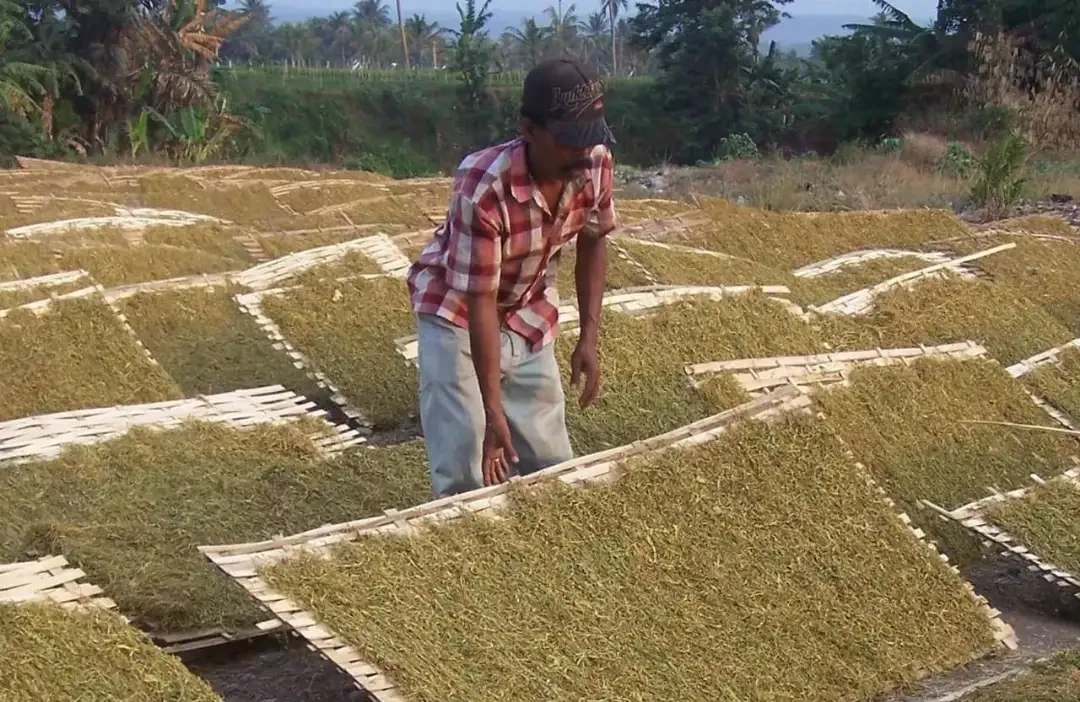
Indonesian lawmakers are calling for tighter management of tobacco imports to protect domestic growers without cutting manufacturers off from raw materials they cannot source locally. Ahmad Heryawan, chairman of the House of Representatives’ Public Aspirations Agency, or BAM, said imports remain necessary when national production does not meet industrial requirements. However, he argued that volumes should reflect genuine shortages rather than compete with tobacco that Indonesian farmers can supply.
According to Ngopibareng.id, Heryawan wants the government to calculate manufacturers’ requirements before determining import volumes. That assessment should incorporate farmers’ output in each harvest season. The approach would reserve domestic market space for local tobacco and use foreign supplies only to cover the balance between national production and industrial demand.
Heryawan illustrated the principle by saying that if Indonesian growers could supply 80% or 90% of requirements, imports should be limited to the remaining shortfall. He did not provide current production, consumption or import figures. The proposal therefore sets out a policy principle rather than a specific quota or timetable.
Purchase commitments could give farmers more certainty
The lawmakers’ concerns extend beyond border controls. Heryawan said the government could require or encourage tobacco companies to commit to purchasing farmers’ output before obtaining the remainder through imports. Such commitments would give growers a clearer indication of likely demand before they decide how much land to plant.
Market certainty is particularly important because growers face a mismatch risk between agricultural and industrial cycles. Farmers may increase production during a season only to encounter weaker purchasing by manufacturers. A system connecting planting expectations, harvest estimates and factory requirements could reduce that exposure while giving processors access to domestic raw material from established production areas.
More predictable purchasing could also encourage farmers to improve tobacco quality, Ngopibareng.id reported. Manufacturers, in turn, could benefit from a more dependable local supply base. The central question for implementation would be how the authorities determine industrial demand, verify domestic availability and enforce purchasing commitments without disrupting supplies needed for production.
Wider tobacco rules also affect raw-material demand
Heryawan said import policy cannot be considered separately from other rules affecting the tobacco-products industry. Measures concerning tar, nicotine, distribution and industrial activity can reduce manufacturers’ raw-material requirements, which may then weaken purchases from farmers. He urged the government to assess those effects before introducing policy changes.
BAM deputy chairman Adian Napitupulu also argued that agricultural products Indonesia can produce should receive adequate space in the domestic market. He noted that tobacco supports not only farmers but also workers and businesses across the processing chain. Policymakers therefore face a balancing task involving growers, industry, consumers and public health.
The lawmakers did not call for an immediate ban on tobacco imports. Their proposed model would make local purchasing the first option and imports a residual source of supply. For growers, the main potential benefit is greater confidence that a harvest will find buyers. For manufacturers and traders, the policy would make reliable production forecasts and transparent assessments of local tobacco quality and availability more important.