Indonesia has 1 million tonnes of unused molasses available for bioethanol
Indonesia produces about 1.9 million tonnes of molasses annually, but only 900,000 tonnes are currently absorbed, leaving 1 million tonnes potentially available for bioethanol. Limited fuel-grade ethanol output, logistics costs and underused processing capacity remain obstacles to the planned E10 mandate in 2027.
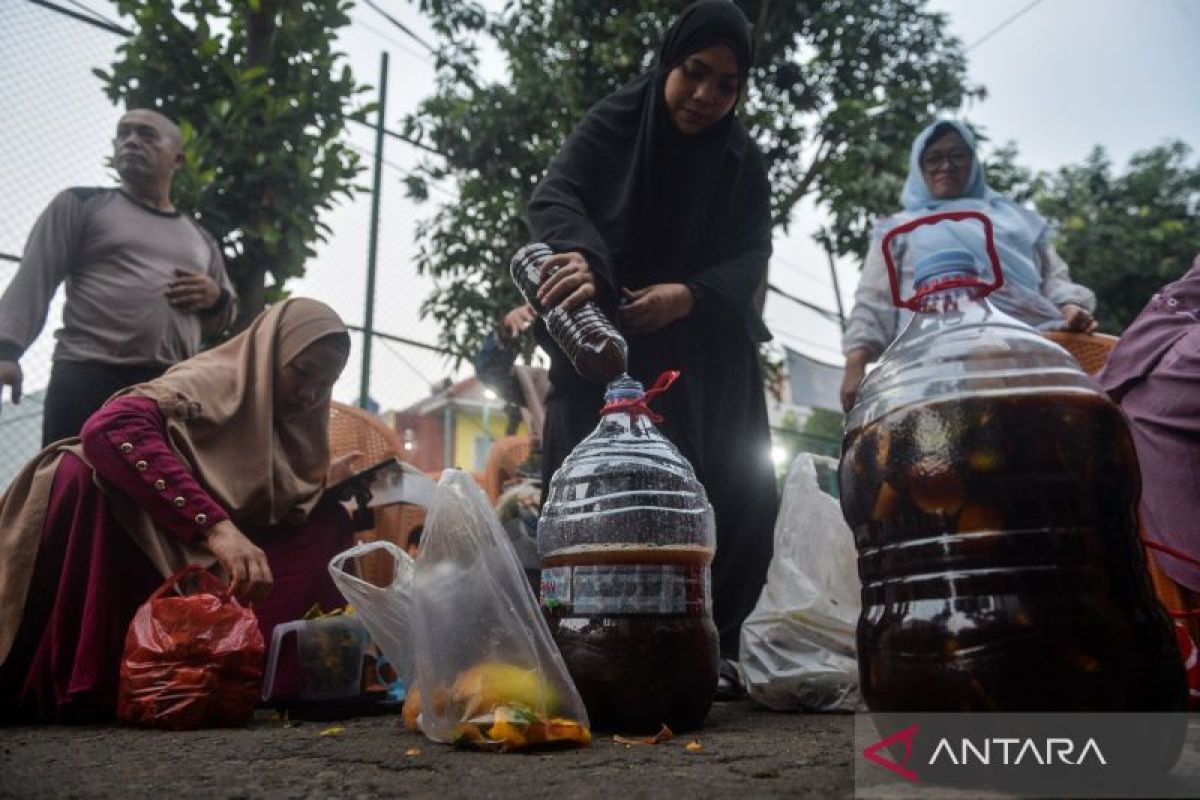
Unused molasses offers a domestic feedstock base
Indonesia has about 1 million tonnes of molasses that could be directed into bioethanol production as the country prepares to expand ethanol blending in gasoline. Eliza Mardian, an economist at the Center of Reform on Economics Indonesia, told ANTARA that national molasses production totals around 1.9 million tonnes per year, while only 900,000 tonnes are currently absorbed.
The unutilized volume could provide a sizeable domestic raw-material base for the biofuel program. However, its location creates an immediate commercial constraint. According to Mardian, much of the molasses supply is produced outside Java, while processing facilities are concentrated on Java. Moving feedstock between the producing regions and the plants raises logistics costs and could affect the economics of converting the surplus into ethanol.
Fuel-grade output remains limited
Indonesia’s larger challenge is producing enough fuel-grade ethanol, defined as ethanol with a purity above 99% that can be blended with petroleum fuel. Mardian said domestic fuel-grade production is currently only about 26,000 kilolitres per year, supplied by three main companies located in Lampung, the Special Region of Yogyakarta and Solo.
Total installed capacity across Indonesia’s ethanol plants stands at 303,000 kilolitres, while actual utilization is around 172,000 kilolitres. Much of that output is allocated to non-fuel industries, including cosmetics, pharmaceuticals and food. The gap between installed capacity, operational output and fuel-grade supply indicates that nominal plant capacity cannot be treated as immediately available volume for gasoline blending. Feedstock availability, product specifications and competition from established industrial users all shape the amount that can reach the fuel market.
E10 target raises investment requirements
Energy and Mineral Resources Minister Bahlil Lahadalia said the government aims to introduce a 10% ethanol blend, known as E10, in 2027 as an initial stage before moving to E20. The government has studied a mandatory ethanol policy since 2025. That review is nearing completion and will support a roadmap for the phased implementation of E20 through 2028–2029. The policy is intended to reduce Indonesia’s dependence on imported petroleum fuels, particularly gasoline.
Mardian said national implementation of blends ranging from E5 to E20 would require substantial investment in the bioethanol supply chain and infrastructure over the next several years. She identified higher sugar-cane productivity, enforcement of the blending mandate and certainty that Pertamina will purchase the fuel as central requirements. Developing the unused molasses supply could narrow the gap between domestic fuel-grade ethanol production and future blending demand, but only if collection, transport and conversion capacity are built alongside the mandate. A gradual expansion would allow Indonesia to increase domestic supply without relying on ethanol imports, although the current 26,000-kilolitre fuel-grade output shows the scale of the work still required before nationwide blending begins.