Indonesia threatens to revoke licences of soybean importers raising prices
Agriculture Minister Andi Amran Sulaiman has warned that soybean importers found raising prices arbitrarily could lose their import licences, liputan6.com reported. Soybeans are the raw material for tempeh and tofu, staples produced largely by small workshops. The report identifies no companies and sets out no criteria for what counts as an arbitrary increase.
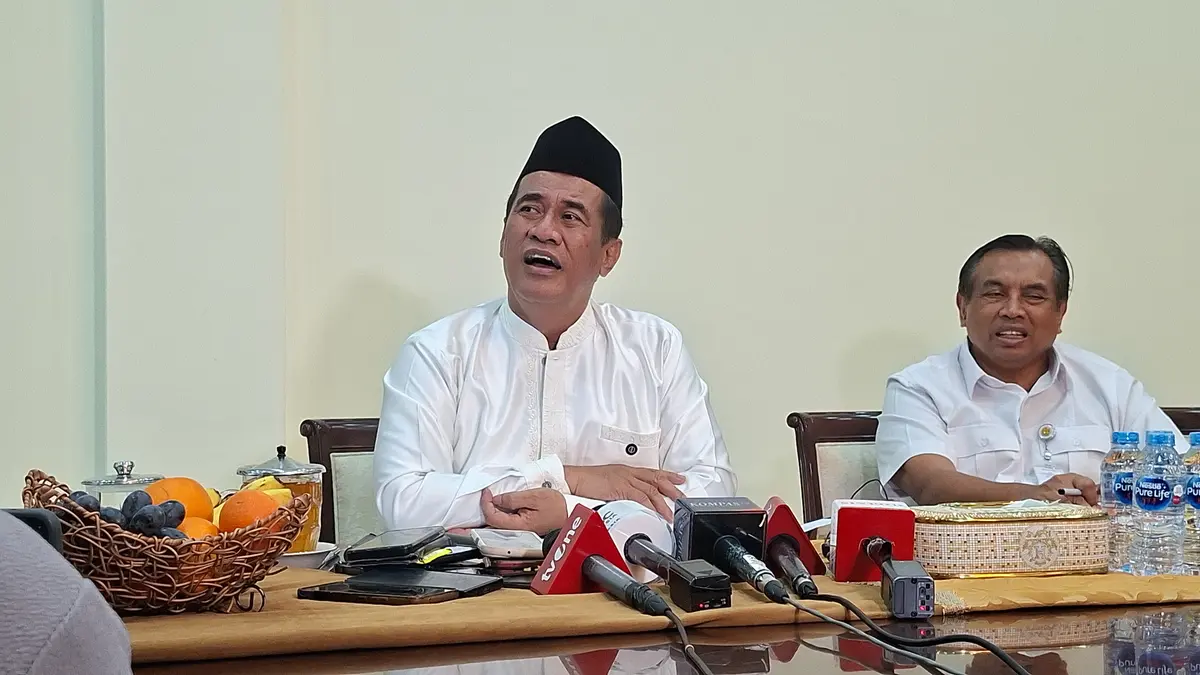
Indonesia's Minister of Agriculture, Andi Amran Sulaiman, has threatened to revoke the import licences of soybean importers accused of raising prices arbitrarily, according to a report by liputan6.com. The warning puts holders of soybean import approvals on notice that pricing behaviour, and not only volumes or paperwork, can cost them market access.
Licences as the enforcement lever
Soybean imports into Indonesia are handled by licensed companies operating under import approvals issued by the government. Withdrawing that permission is the most direct sanction available to the authorities: it does not fine a company or cap its margin, it removes its ability to bring the commodity into the country at all. Amran's statement, as reported by liputan6.com, frames arbitrary price increases as grounds for that step.
The report does not identify the importers concerned, nor does it set out the threshold at which a price increase would be judged arbitrary. That distinction matters commercially. Landed costs for imported soybeans move with world prices, freight and the rupiah exchange rate, and importers routinely pass those movements on. A rule that separates cost pass-through from profiteering would need a reference price or a margin benchmark, and none was described in the report.
Tempeh and tofu makers at the end of the chain
Soybeans are the input for tempeh and tofu, two staples of the Indonesian diet produced largely by small workshops. These producers buy in small lots from distributors, hold little inventory and have no practical way to hedge price risk. When the bean price rises they have few options beyond raising their own prices or reducing portion sizes, and both are visible to consumers immediately.
That sensitivity explains why the soybean price is treated as a political question in Indonesia rather than a purely commercial one. Intervening at the importer level targets the point in the chain where the government holds direct legal leverage: it licenses importers, but it does not license the thousands of workshops and market traders downstream.
What importers and traders should watch
For companies active in the trade, the immediate question is procedural: how the ministry will document an arbitrary increase, which body will carry out the assessment, and whether a licence can be withdrawn administratively or only after a formal finding. Until that is clarified, compliance work will centre on being able to demonstrate the cost basis behind any price move.
- Whether the ministry names specific importers or publishes criteria defining an arbitrary increase.
- Whether any licence is in fact withdrawn, and how quickly the affected volume is reallocated to other holders.
- Whether the measure is paired with price monitoring at distributor and workshop level, where the final retail price is set.
Exporters supplying Indonesia have an interest in the outcome as well. Removing a licence removes a buyer from the market, and reassigning approvals to other companies changes counterparty risk for suppliers holding contracts. The liputan6.com report gives no indication of how many licences are under review or when a decision would be taken.