Indonesia targets soybean and sugar self-sufficiency after rice gains
Indonesia is extending its food self-sufficiency campaign from rice to soybeans and sugar. The government plans 50,000 hectares of soybean planting in 2026 and has outlined 10 measures covering land, seed, inputs, financing, processing and market protection.
Soybean strategy spans farms and markets
Indonesia is extending its food self-sufficiency campaign from rice to soybeans and sugar, combining seed development, additional planting, mechanisation and measures to support domestic markets. The Coordinating Ministry for Food Affairs has prepared a 10-point soybean plan as Jakarta seeks to supply more of the food industry’s raw-material requirements from domestic production.
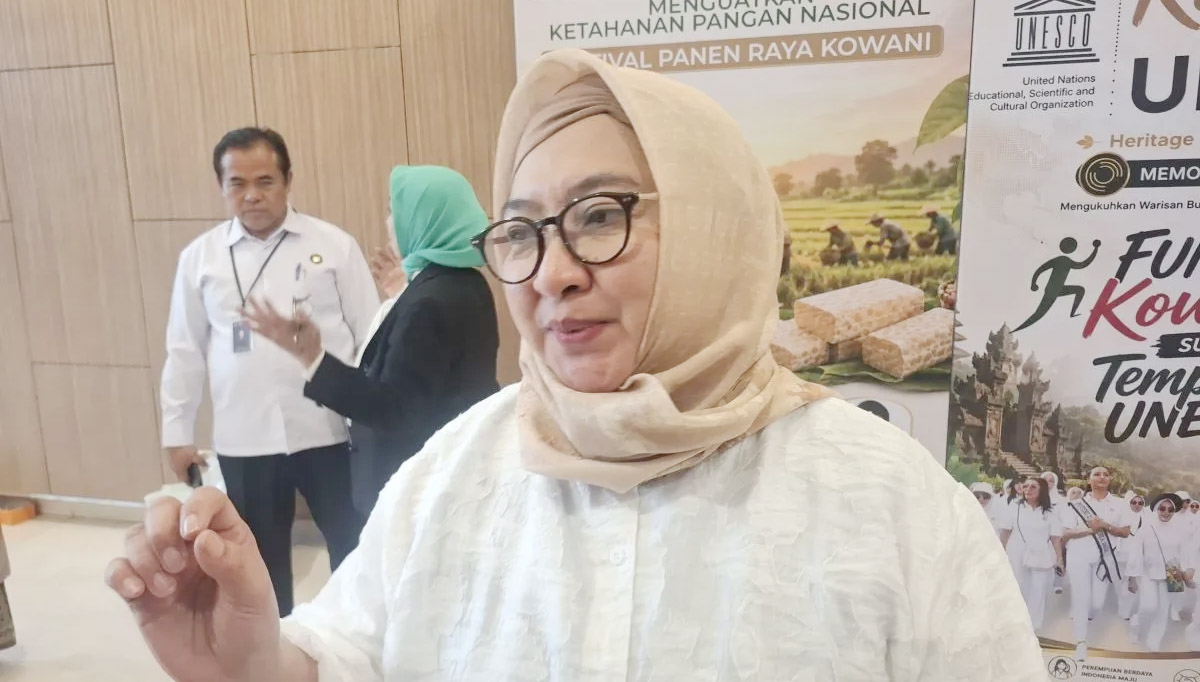
Koran Jakarta reported that the programme covers land provision, improved seed, fertiliser and pesticides, agricultural machinery, irrigation, human resources and extension services, financing, downstream processing, market certainty and protection of domestic production from pressure caused by imported soybeans. Deputy for Food and Agricultural Business Coordination Widiastuti said the measures must connect upstream production with downstream demand.
The government has set a target of developing 50,000 hectares of soybean planting area in 2026. The ministry presentation placed planting between January and November, while recorded implementation stood at 2,956 hectares. Limited land is a central constraint because soybeans can compete with rice and other food crops for the same areas.
Domestic supply remains far below demand
Government data cited by Koran Jakarta put soybean production at 78,693 tonnes in 2025, compared with average annual production of 227,622 tonnes during 2021–2025. Production recorded through May 2026 reached 7,691 tonnes from 5,048 hectares of harvested area.
The scale of Indonesia’s import exposure remains substantial. The ministry’s soybean balance showed average net domestic production of 190,223 tonnes during 2022–2026, equivalent to 8.14% of average requirements of 2,620,294 tonnes. Increasing planted area alone will therefore not close the gap without higher yields, reliable inputs, financing and firm demand from processors.
Seed development is one of the programme’s main components. By the end of 2025, multiplication activity across 1,420 hectares had produced 5,680 tonnes of prospective seed, including 3,550 tonnes of certified seed. The authorities intend to continue multiplying available seed in subsequent planting periods to create a more durable domestic supply system.
Sugar drive builds on nationwide harvests
The soybean initiative forms part of a broader campaign following the government’s declaration of rice self-sufficiency. Republika reported that simultaneous harvests of rice, sugar cane and soybeans were held at 43 locations across Indonesia on 17 July 2026. These comprised rice harvests at 31 sites, sugar cane at eight and soybeans at four local improved-seed demonstration sites.
The sugar cane harvest covered 236,048 hectares, with potential output of 18.39 million tonnes of cane. That volume was estimated to yield 1.36 million tonnes of sugar, about 45% of Indonesia’s national sugar production target for 2026. The Agriculture Ministry plans to accelerate sugar self-sufficiency through cane replanting, cultivation modernisation, mechanisation, productivity improvements and changes to the national sugar-recovery system.
President Prabowo Subianto led the main harvest event in Malang, East Java. The programme brings together central and regional governments, farmers, extension officers, businesses and other state institutions. For soybean growers and processors, its success will depend on whether improved seed and expanded acreage translate into commercially competitive output and dependable procurement in a market where domestic supply currently covers only a small share of demand.