Indonesia targets Rp100 trillion coffee exports with Gayo seedling push in Aceh
Agriculture Minister Andi Amran Sulaiman inspected coffee nurseries in Bener Meriah, Aceh, as Jakarta expands its Gayo coffee program. The government has backed about 17 million trees across 17,000 hectares and set an export target of Rp100 trillion, with prices near Rp110,000 per kilogram.
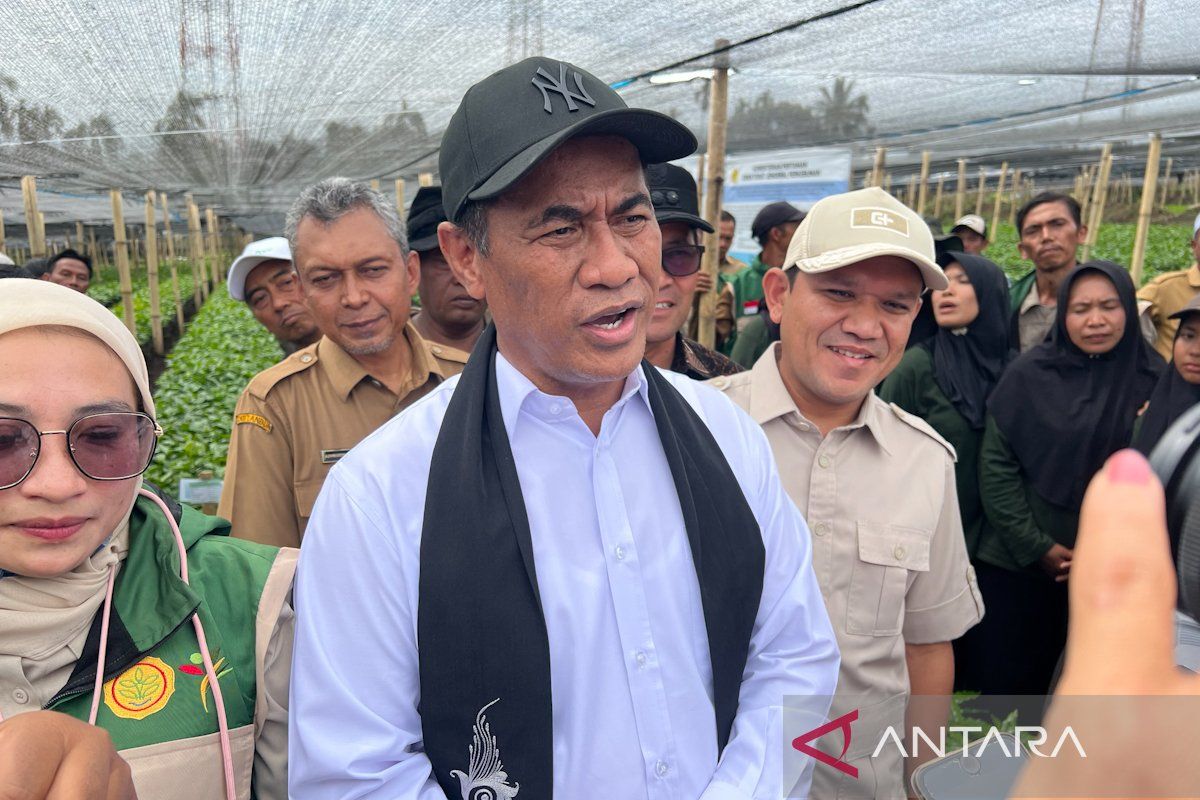
Minister inspects Aceh nurseries in Gayo coffee drive
Indonesian Agriculture Minister Andi Amran Sulaiman made an unannounced inspection of the Rimba Raya coffee seedling nursery at KM 60 in Bener Meriah regency, Aceh, on Tuesday, part of a government campaign to expand cultivation of Gayo coffee and lift both exports and farmer incomes. According to Antara and Republika, Amran said he was satisfied with the quality of the seedlings, calling superior planting material the main factor in building productive plantations.
Amran said the government has backed coffee planting across roughly 17,000 hectares in the region, with about 17 million trees distributed among production centers in Aceh. Local government reports cited by both outlets estimate the program has raised growers' income by around Rp4 trillion. Antara reported the government will add 17 million seedlings through 2026 to strengthen production, on condition that existing plantings are properly maintained so productivity keeps rising.
An Rp100 trillion export ambition
Amran set out an ambitious export goal. "Now the value of our coffee exports has reached around Rp40 trillion. Going forward we must push it to Rp100 trillion, even Rp200 trillion if possible," he told Republika. Antara reported the same Rp40 trillion figure but described it as the value of national plantation-commodity exports in 2025, with substantial room to grow through flagship products including Gayo coffee, which is grown in the highland regencies of Bener Meriah, Aceh Tengah and Gayo Lues.
The minister cited Gayo's international standing, recounting that during visits to Mexico and Argentina he had met former US President Bill Clinton, who he said raised Gayo coffee in conversation — an episode Amran offered as evidence of the origin's global recognition.
Prices climbing for growers
Rising prices underpin the push. Amran told Republika that coffee now fetches around Rp110,000 per kilogram, up from about Rp50,000 previously, an increase he called a major opportunity to improve farmer welfare. He said the government would continue to strengthen production while improving trade arrangements so that more of the added value stays with farmers.
Under President Prabowo Subianto, Amran said, the government is preparing to reinforce the national export system to give Indonesia stronger bargaining power in global markets. The aim, he said, is for the country to move beyond supplying raw material toward helping set prices for its flagship commodities, coffee among them.
Existing export channels
Gayo arabica already reaches foreign buyers in modest volumes. Antara noted that PEMA carried out a first export of 19 tonnes of Gayo arabica to the United States, while Kopepi Ketiara shipped 39.4 tonnes of Gayo arabica to the United States and Denmark. Amran said continued upstream investment in quality seedlings is a strategic step to enlarge output and lift the competitiveness of Gayo coffee abroad, pledging that support would continue next year through coordination between central government, regional authorities and farmers.