Indonesia targets rice exports as global prices rise and stocks reach 5.3 million tonnes
Indonesia is exploring rice exports to Malaysia and Singapore as higher global prices create an opening for its production surplus. Government reserves managed by Perum Bulog stand at 5.3 million tonnes, while negotiations with prospective buyers continue.
Indonesia looks beyond its domestic market
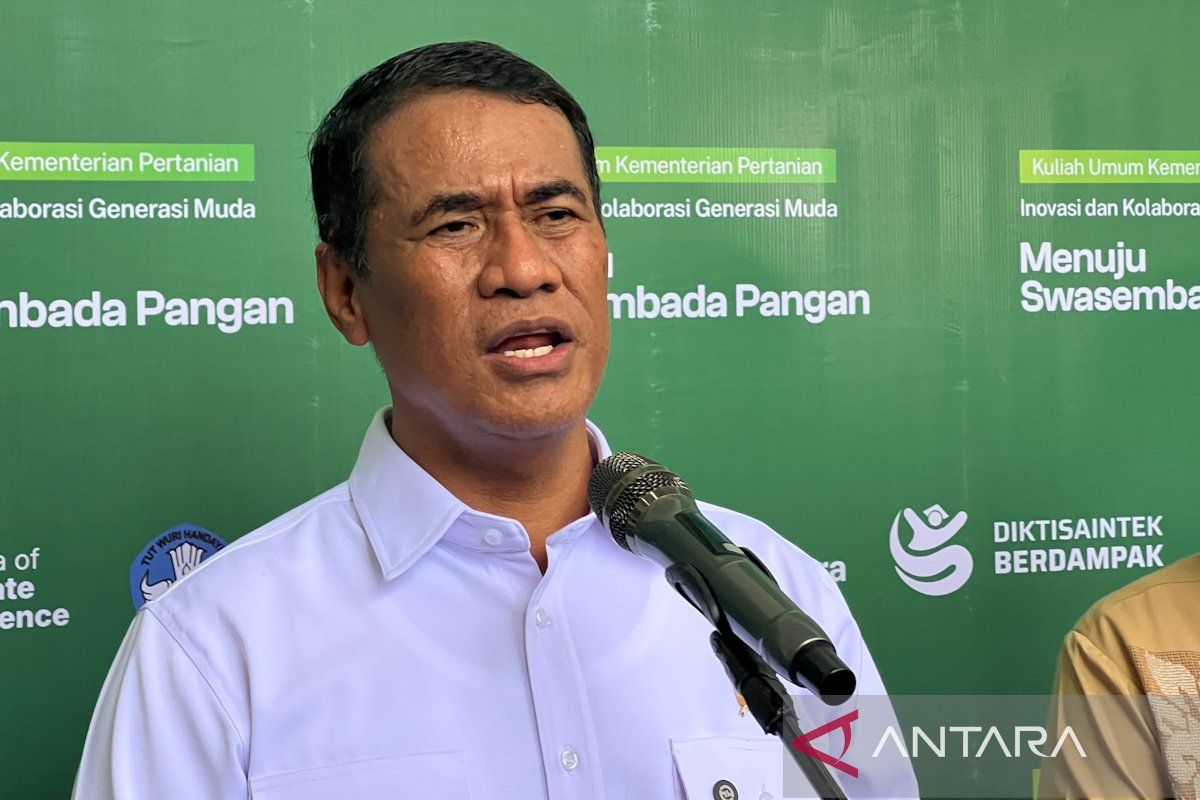
Indonesia is seeking opportunities to export rice as global prices rise, marking a potential shift for a market that has traditionally depended on imports to reinforce domestic supplies. Agriculture Minister Andi Amran Sulaiman said surplus production, ample government stocks and stable domestic prices give the country room to respond to demand from overseas buyers.
Several countries have asked to import Indonesian rice, according to the minister. Malaysia and Singapore are among the prospective destinations, although discussions with their governments remain at the exploratory and negotiation stage. No prospective shipment volume, price, delivery schedule or rice grade has been disclosed.
Global price reaches $13.75 per quintal
ANTARA, citing Trading Economics data, reported that the global rice price stood at $13.75 per quintal in trading on 15 July 2026. That compared with $12.48 per quintal on 23 June 2026. The latest quoted price followed a 2.21% increase and was the highest level in more than a week.
The increase creates a potentially more attractive export window for Indonesian suppliers. However, the commercial significance will depend on the terms under negotiation, the varieties requested and the cost of moving rice to nearby markets. Malaysia and Singapore offer relatively close destinations, which may support logistics, but the government has not announced completed contracts.
Bulog reserves provide domestic buffer
Government rice reserves managed by state logistics agency Perum Bulog currently total 5.3 million tonnes. Amran said stronger national stocks, built through increased domestic production, have helped keep Indonesian rice prices stable even as international quotations moved higher.
For policymakers, that buffer is central to balancing exports with food security. President Prabowo Subianto has instructed the government to raise production and maintain food self-sufficiency, ensuring that domestic requirements remain covered while export opportunities are developed. The export plan therefore remains conditional on preserving supply and price stability at home.
Negotiations will determine the trade impact
If sales proceed, they would open an additional regional trade channel for Indonesian rice and give producers access to higher international prices. Buyers in Malaysia and Singapore could gain another nearby source of supply. Yet the absence of confirmed volumes means the initiative cannot yet be treated as a material change in regional rice flows.
The government is also accelerating downstream development in plantation crops, horticulture and livestock, with the stated goals of increasing value added, improving competitiveness and supporting national economic growth. For rice traders, the immediate focus will remain on whether current negotiations produce binding orders and whether Indonesia can sustain its production surplus while protecting the 5.3-million-tonne reserve cushion and stable domestic prices.