Indonesia declares sugar self-sufficiency, steers cane toward bioethanol
Indonesia has officially declared self-sufficiency in consumption sugar, according to a Ministry of Agriculture statement reported by Warta Ekonomi. Deputy Minister Sudaryono said the government will intensify sugarcane output to feed refined sugar, industrial sugar and bioethanol, aiming to cut reliance on imported refined industrial sugar.
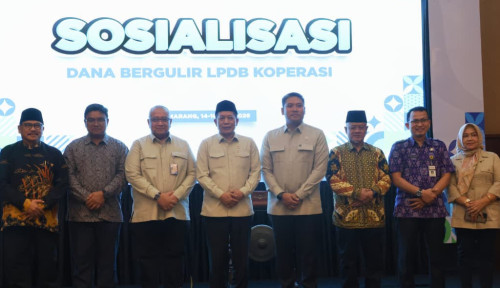
Jakarta says it no longer needs to import table sugar
Indonesia has officially declared self-sufficiency in consumption sugar, the government announced through a Ministry of Agriculture (Kementan) statement reported by Warta Ekonomi on Wednesday. Deputy Minister of Agriculture Sudaryono said the country's domestic sugar industry had recorded positive results and had secured self-sufficiency status for the table-sugar segment used by households.
The claim marks a notable signal from one of the world's largest sugar importers. Sudaryono framed the achievement as the product of steady gains in field productivity and said the government would keep working with farmers to raise yields further.
Cane pushed toward refining and bioethanol
According to Warta Ekonomi, Jakarta is now steering additional cane output toward industrial uses rather than the household market it says is already covered. Sudaryono said sugarcane production still needs to rise through intensification to meet demand for refined sugar and industrial sugar, including for biofuel or bioethanol needs. He added that, besides cane, bioethanol is also produced from corn and cassava.
The government is targeting the plantation crop as the main feedstock for bioethanol, part of a national energy roadmap run jointly across government agencies. Kementan said success on this agenda is expected to curb the country's dependence on imported refined industrial sugar.
Intensification and smallholder cooperatives
Sudaryono said the ministry continues to push its intensification program on smallholder (rakyat) cane land, with volume gains focused on supplying secondary industry. The current priority, he said, is high productivity, prosperous farmers and a supply chain managed through cooperatives so that goods move more efficiently between villages and cities.
Farmer welfare, he added, is being lifted by improving both crop productivity and sugar recovery rates (rendemen). Productivity per hectare and rendemen keep rising, Sudaryono said, and higher productivity and rendemen mean more sugar output and more efficient production costs. The stated goal is more competitive sugar prices without eroding farmer incomes.
What it means for trade
For importers and exporters, the signal is twofold. If Indonesia genuinely covers household sugar demand at home, one of Asia's steadiest sources of import demand could soften over time. Yet Jakarta's own framing makes clear that refined and industrial sugar, the grades used by food and beverage manufacturers, still rely partly on imports, and that closing that gap is a stated policy goal. The parallel push to divert cane into bioethanol adds a second claim on the same feedstock, linking the sugar balance to the biofuel program. The Ministry did not publish tonnage, price or import-volume figures alongside the statement.