Indonesia seeks China and Middle East poultry markets to absorb surplus output
Indonesia’s Agriculture Ministry is seeking access to China and Middle Eastern markets for domestic poultry products. The government says exports could absorb surplus production, balance supply and demand, and support farmers.
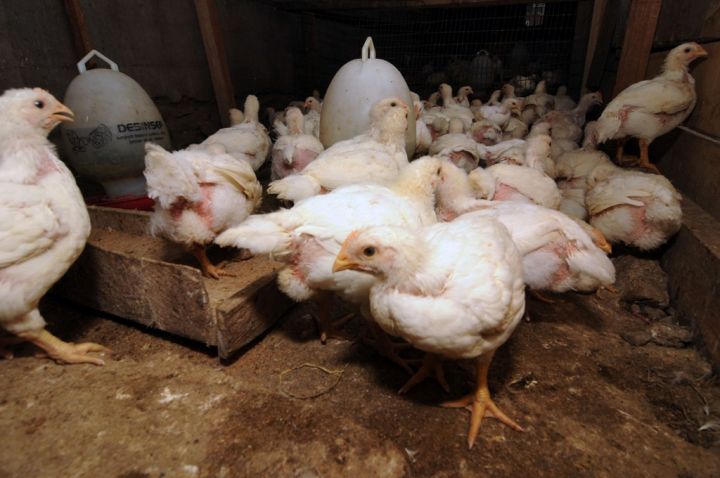
Indonesia looks abroad for poultry demand
Indonesia’s Ministry of Agriculture is working to open export opportunities for poultry products in China and the Middle East, as the country seeks additional outlets for surplus domestic production. Deputy Agriculture Minister Sudaryono said the initiative is intended to expand the industry’s market, absorb excess supply and improve the welfare of Indonesian farmers.
Metro TV News, citing Antara, reported that the export push coincides with rising food requirements in several countries. Sudaryono said on 18 July 2026 that the ministry was pursuing opportunities in a range of foreign markets, including China and the Middle East, as international food demand increases.
Exports presented as a long-term outlet
The government views broader market access as a long-term way to maintain a better balance between domestic poultry supply and demand. Additional overseas sales could give producers another outlet when output exceeds the volume absorbed by Indonesia’s home market, while reducing pressure on farmers affected by oversupply.
The initiative also aims to improve the competitiveness of Indonesia’s poultry industry. The ministry has not disclosed targeted export volumes, a timetable for market entry or the specific poultry products under discussion. It has also not identified individual Middle Eastern countries involved in the effort. The announcement therefore marks a market-access initiative rather than confirmation that commercial shipments have begun.
Diplomacy remains central to market access
Sudaryono stressed that export success depends on more than product quality and competitive pricing. Access also requires government-to-government diplomacy, particularly where importing countries apply their own approval procedures and market-entry requirements. He said Indonesia must build the necessary diplomatic relationships alongside the industry’s commercial preparations.
The government is consequently strengthening bilateral relations in an effort to persuade more countries to admit Indonesian agricultural products. For poultry producers, processors and traders, the outcome will depend on whether those talks translate into practical access and sustained foreign demand. China offers the prospect of a major national market, while the Middle East represents a broader group of potential destinations. Until access conditions and shipment plans are announced, Indonesia’s domestic poultry sector will remain the immediate channel for its surplus output.