Indonesia’s School-Meal Target Review Clouds Poultry Outlook for H2 2026
Indonesia’s planned review of beneficiary targets for the Free Nutritious Meals program is creating uncertainty for the poultry sector in the second half of 2026. A reduction could weaken expected institutional demand and affect producer earnings and poultry shares, although no revised target has been disclosed.
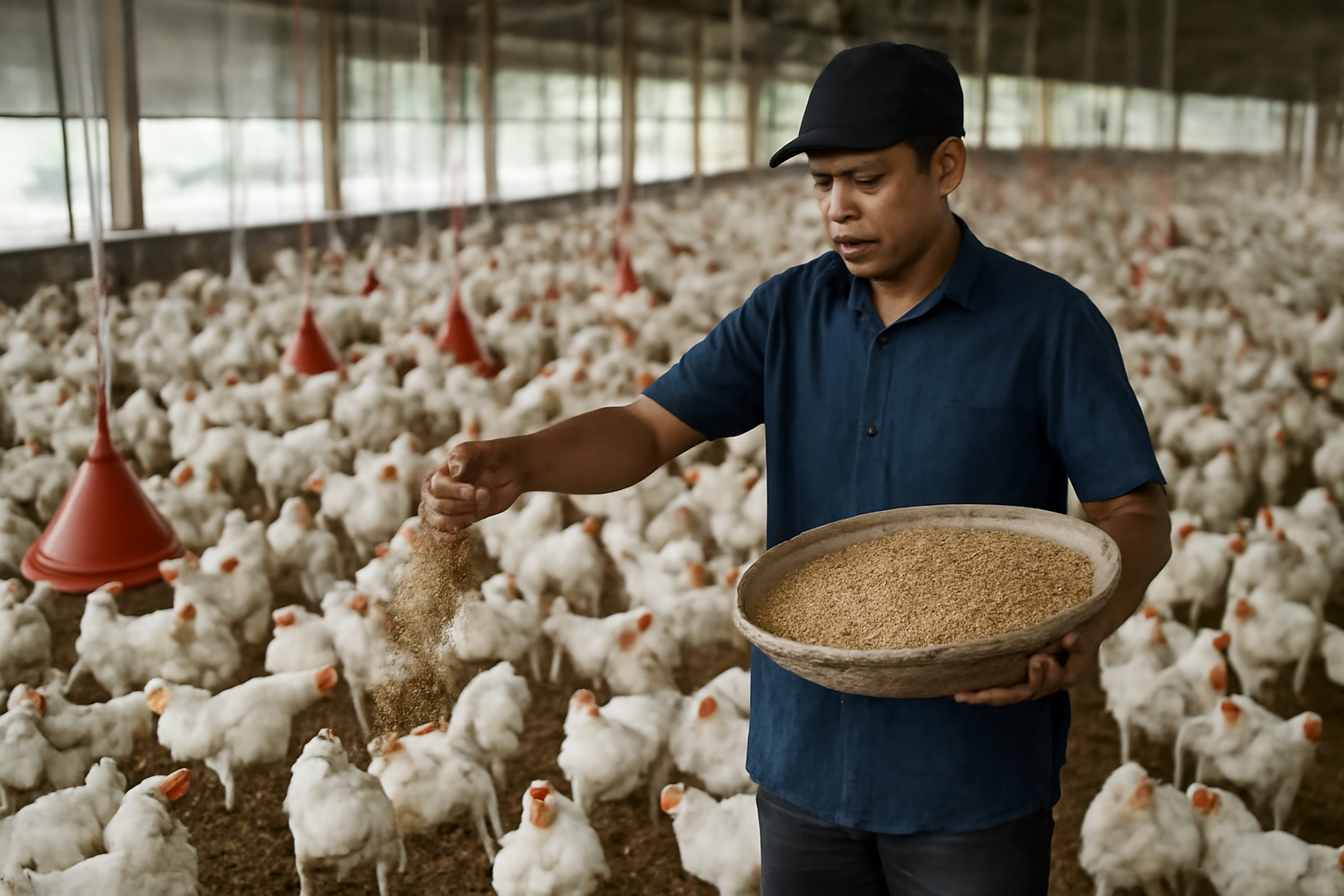
Beneficiary target comes under review
Indonesia’s poultry industry faces a less certain demand outlook for the second half of 2026 as the government considers reviewing the beneficiary target for its Free Nutritious Meals program, known locally as Makan Bergizi Gratis, or MBG. Kontan reported that the prospect of a lower target is weighing on expectations for the poultry sector and raising questions about the outlook for listed poultry companies.
The available report does not specify the current beneficiary target, the size of any potential reduction or when a final decision may be announced. That distinction matters: the government is reviewing the target, but a cut has not yet been confirmed. Until the authorities provide revised figures, estimates of the program’s poultry requirements and its contribution to industry revenue remain provisional.
Institutional demand expectations at risk
The MBG program matters to poultry companies because large public meal schemes can create recurring demand for affordable animal protein. Poultry products are well suited to mass catering, but the effect on suppliers ultimately depends on the number of meals served, menu composition, procurement rules and the pace at which the program is implemented. None of those operational details was quantified in the source material.
If the number of beneficiaries is reduced, the volume of poultry expected to be absorbed by the program may also be lower than companies and investors previously anticipated. The immediate impact would be on demand forecasts rather than necessarily on current sales. Producers that expanded supply or built earnings assumptions around rapid MBG implementation would face the greatest risk of disappointment, while businesses with broader customer bases could be less exposed.
Investors await clearer procurement signals
For listed poultry companies, the review introduces uncertainty into second-half earnings projections. The effect will not be uniform across the industry. Exposure will depend on whether a company supplies the program directly, sells through processors or distributors involved in procurement, or remains focused on commercial retail and food-service channels. Without company-level contract and volume data, it is not possible to quantify the impact on individual issuers.
Investors will therefore need to distinguish between a change in policy expectations and a confirmed deterioration in poultry fundamentals. The key information will be the final beneficiary target, the implementation schedule and the procurement mechanism. These details will determine whether MBG remains a meaningful source of incremental poultry demand in 2026 or becomes a smaller opportunity than the market had expected. Until then, the review is likely to remain an overhang for poultry earnings forecasts and share valuations rather than evidence of a completed demand shock.