Indonesia’s Rice Surplus Exposes Gaps in Inter-Island Distribution
Indonesia expects a rice surplus of about 3.67 million tonnes in 2026, but high logistics costs and limited storage continue to expose remote regions to supply disruptions. Government programs are moving large volumes of rice, while analysts argue that domestic access and price stability should take priority over expanding exports.
National availability reaches comfortable levels
Indonesia is heading toward a sizeable rice surplus in 2026, but abundant national stocks have not eliminated shortages and high prices in remote markets. A Ministry of Agriculture food balance projection puts production at 34.77 million tonnes against national demand of 31.10 million tonnes, leaving an estimated surplus of 3.67 million tonnes.
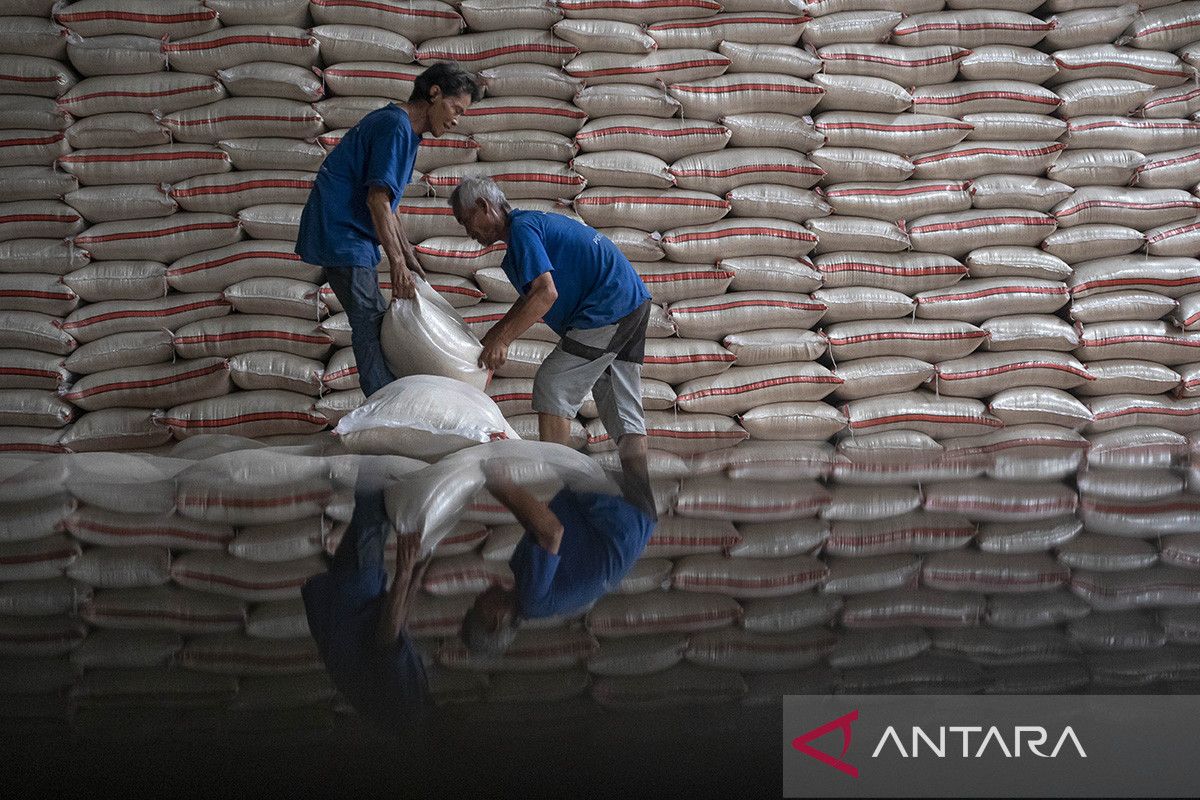
Government inventories provide an additional buffer. State food logistics agency Perum Bulog held 5.25 million tonnes in government rice reserves as of August 9, 2026, according to ANTARA. The government is also preparing an initial shipment of 1,000 tonnes to Malaysia, opening a small export channel at a time when aggregate domestic availability is strong.
Logistics divide national and regional markets
Eliza Mardian, a researcher at the Center of Reform on Economics Indonesia, told ANTARA that food security depends not only on availability but also on access, affordability and stability. She identified weak inter-island distribution, high logistics costs, inadequate storage in regional markets and limited market structures in remote areas as the principal obstacles preventing the national surplus from reaching consumers evenly.
The consequences become visible when transport links are disrupted. Adriano Padama, a student from Alor Regency in East Nusa Tenggara, said rice prices in inland areas can reach Rp25,000-Rp30,000 per kilogram during distribution interruptions. Agriculture Minister Andi Amran Sulaiman subsequently visited Alor and instructed Bulog to secure local stocks and conduct market operations when necessary. The episode illustrates how an aggregate surplus can coexist with acute local price pressure in an archipelago where small islands and inland communities face higher delivery costs.
Government programs move rice to consumers
Authorities are intervening through the Food Supply and Price Stabilization program, known as SPHP. The National Food Agency, or Bapanas, recorded SPHP rice distribution of 610,300 tonnes between March and August 8, 2026. That represented 73.71% of the 828,000-tonne target. Traditional markets are being prioritized as distribution points to support consumer-level supply and price stability.
Bapanas has also assigned Bulog to distribute 997,200 tonnes of rice assistance to 33,244,408 recipients for July-September 2026. Each recipient is entitled to 10 kilograms per month for three months, or 30 kilograms in total. In Alor, Bapanas and Bulog began delivering assistance on August 8, 2026, to 37,338 recipients, each receiving the same total allocation of 30 kilograms.
Exports remain secondary to domestic access
Mardian said exports could generate foreign-exchange earnings and support the trade balance, but the proposed 1,000-tonne shipment to Malaysia would have only a limited impact compared with Indonesia’s total non-oil and gas exports. She argued that export expansion should remain secondary until access and price stability are secure across the domestic market.
The policy challenge is therefore less about producing more rice than moving existing supplies reliably. Additional storage in remote districts, more regular and targeted market operations, and stronger inter-island connectivity could reduce freight costs and help Bulog respond faster to regional shortages. Without those improvements, national production figures will remain an incomplete measure of food security: Indonesia may hold millions of tonnes in surplus while consumers in difficult-to-reach areas continue to pay scarcity prices.