Indonesia says 26 million tonnes of rice can cover 10 months despite El Niño risk
Indonesia estimates that rice held across state warehouses, the hospitality sector and crops awaiting harvest totals 26 million tonnes. Agriculture Minister Andi Amran Sulaiman said this volume could cover 10 months of consumption, although part of the estimate has yet to be harvested.
Government calculates 10 months of rice availability
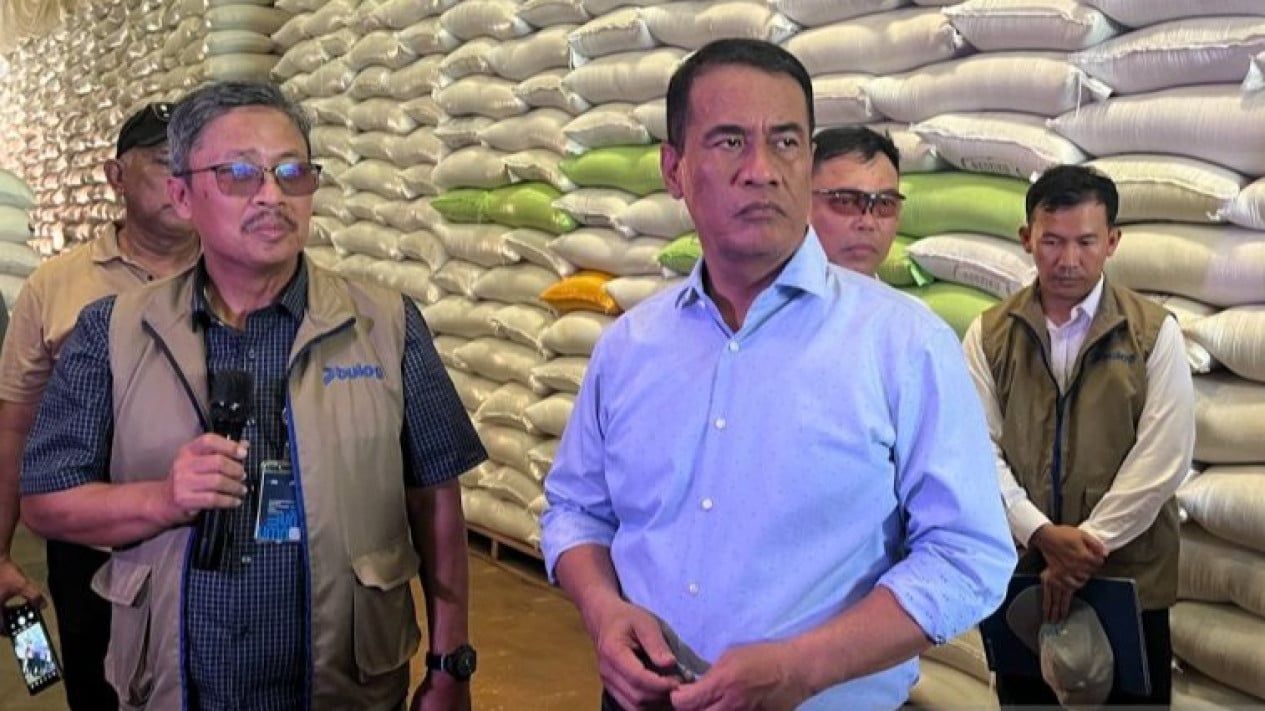
Indonesia has enough rice to meet national consumption for the next 10 months despite the risk of a potentially severe El Niño, Agriculture Minister Andi Amran Sulaiman said. According to VIVA, the government estimates total rice availability at 26 million tonnes, compared with average monthly consumption of 2.6 million tonnes.
Amran presented the figures at a press conference at the Ministry of Agriculture in Jakarta on 30 July 2026. He said the available volume should allow Indonesia to withstand the weather phenomenon described in public discussion as “El Niño Godzilla” without disrupting the country’s rice supply.
The headline figure is broader than the government’s physical reserve in state warehouses. It combines rice already stored by the state logistics agency Perum Bulog, estimated inventories held by hotels, restaurants and cafés, and expected output from crops currently standing in fields.
Bulog stocks account for 5.2 million tonnes
VIVA reported that Perum Bulog warehouses hold 5.2 million tonnes of rice. This is the most directly accessible component of the government’s calculation and represents the stock under the state logistics system.
A further 10.8 million tonnes is estimated to be held by the hotel, restaurant and café sector, commonly known in Indonesia as Horeka. These commercial inventories form the largest individual component of the 26-million-tonne total.
The remaining 10 million tonnes represents potential production from standing crops covering about 3.8 million hectares. Unlike rice already held in warehouses or commercial storage, this volume depends on crops reaching harvest and therefore remains exposed to weather and field conditions.
Together, the three components produce the government’s estimate of 26 million tonnes. At the stated consumption rate of 2.6 million tonnes per month, the arithmetic corresponds to 10 months of national demand.
Weather remains the main production risk
The calculation provides reassurance over near-term supply, but its composition will matter if drought damages crops before harvest. The 10 million tonnes attributed to standing crops is central to the outlook: it represents more than the stock held by Bulog and almost two-fifths of the overall estimate.
For millers, wholesalers and food-service operators, the size and accessibility of inventories will determine how effectively supply can be released across regional markets. Rice stored by Horeka is also commercially held stock rather than a single centrally managed reserve, making its distribution different from releases through Bulog.
Amran said the government continues to monitor food production and reserves to maintain national supply stability as climate risks develop. He has also presented the stock position directly to President Prabowo Subianto during a limited cabinet meeting.
Indonesia draws on earlier drought experience
The minister pointed to Indonesia’s experience with extreme dry periods in 2016, 2023 and 2024. That record underpins the government’s confidence that the country can manage another weather shock without undermining rice availability.
However, the 10-month coverage estimate should be read as an aggregate supply assessment rather than 26 million tonnes of rice immediately available for government release. Harvest performance on the 3.8 million hectares and the ability of commercial stocks to reach consumers will determine whether the full volume supports the market as projected.