Indonesia’s Rice Prices Rise in August as Harvest Potential and Distribution Weaken
Indonesia recorded higher medium- and premium-grade rice prices in August 2026 as potential harvested area and production declined after the main harvest. BPS said distribution constraints also contributed, with average retail prices reaching Rp 15,641 per kilogram.
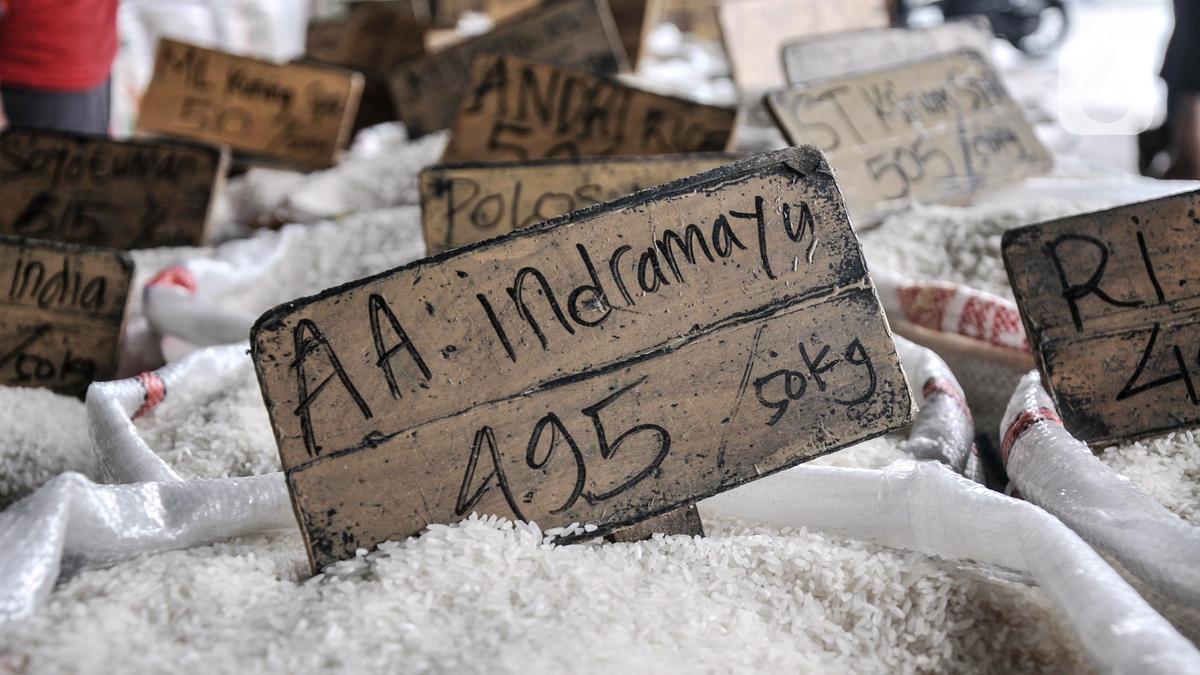
Rice inflation reaches retail markets
Rice prices increased across Indonesia in August 2026, reflecting lower potential harvested area, reduced production prospects and constraints in moving supplies to market. Statistics Indonesia, known as BPS, recorded inflation for both medium- and premium-grade rice. The agency said the increase occurred as August entered the transition period following the peak of the country’s main harvest.
At retail level, rice prices rose 0.42% from July and 2.77% from August 2025, according to BPS data reported by Liputan6.com. Wholesale rice recorded a stronger monthly increase of 0.80% and was 4.28% higher year on year. These changes indicate that price pressure was present throughout the domestic supply chain rather than being confined to farms or mills.
Premium rice posts the sharpest annual gain
Average milling-level rice prices increased 1.32% month on month and 5.52% year on year in August. The premium segment rose 1.22% from July and 10.07% from a year earlier. Medium-grade rice increased more quickly on a monthly basis, gaining 1.48%, but its annual increase was lower at 4.03%.
The difference between the two grades shows that the strongest longer-term pressure was concentrated in premium rice. Ateng Hartono, BPS deputy for distribution and services statistics, said the annual increase for premium rice was higher than for medium-grade supplies. For millers, distributors and retailers, the divergence may affect purchasing decisions, product mixes and the prices offered to consumers in different market segments.
Prices rise at every stage of the chain
The average milling-level price reached Rp 14,213 per kilogram in August. Rice averaged Rp 14,901 per kilogram at wholesale and Rp 15,641 per kilogram at retail. Each category increased by approximately Rp 130–200 per kilogram compared with July, demonstrating how higher costs were transmitted from mills through wholesale channels to consumers.
BPS said its figures are national averages covering different rice qualities and all regions of Indonesia. Local conditions may therefore differ from the headline levels, particularly where transport links, market access or the availability of specific grades vary. Even so, the broad increases at milling, wholesale and retail levels point to a nationwide pricing issue with implications for processors, traders and household food expenditure.
Harvest cycle combines with distribution constraints
BPS linked August’s inflation partly to a decline in potential harvested area and rice production. The agency noted that August historically marks the beginning of a transition after the peak harvest, when the arrival of new supplies can weaken. Average rice prices have also tended to rise since January 2026, placing the latest monthly increase within a longer upward trend.
Production was not the only factor. Hartono said the flow of rice to markets was an important influence on inflation, highlighting the role of distribution alongside field output. For market participants, this distinction matters: additional production alone may not fully ease prices if supplies cannot reach consumption centres efficiently. The August data leave producers, millers, wholesalers and retailers watching both the next harvest outlook and the performance of domestic logistics.