Indonesian Rice Prices Rise at Mills, Wholesale and Retail Levels in August
Indonesian rice prices increased across the distribution chain in August 2026, according to BPS data reported by Koran Jakarta. Premium rice at mills recorded the sharpest annual increase, rising 10.07%, while the national farmer terms-of-trade index also improved.
Prices increase at every distribution level
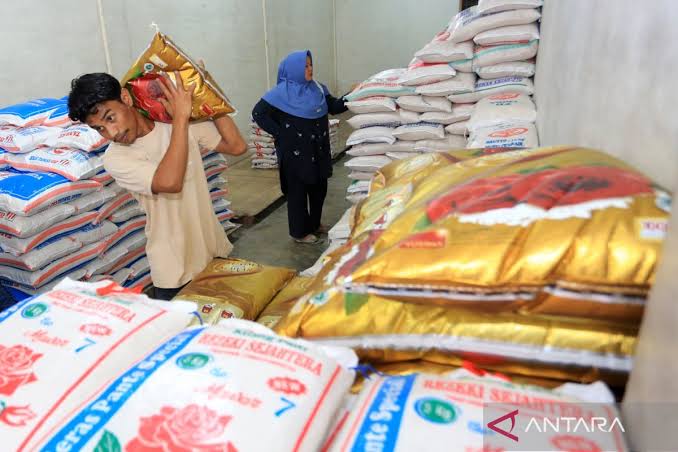
Rice prices in Indonesia rose at mills, wholesale markets and retail outlets in August 2026, extending pressure across the domestic distribution chain. The increases covered both premium and medium rice and continued an upward trend that has been in place since February 2026, according to Statistics Indonesia, known as BPS.
Koran Jakarta reported that the average price of rice at the mill level increased 1.32% from July and 5.52% from August 2025. The figures represent nationwide averages covering different rice qualities and all regions of Indonesia, BPS Deputy for Distribution and Services Statistics Ateng Hartono said in Jakarta on 1 September.
The broad rise means higher prices are not confined to the consumer end of the market. Changes are already visible where processed rice enters commercial distribution, with subsequent increases recorded at wholesale and retail levels. For millers, distributors and food businesses, the data point to higher procurement costs moving through the supply chain, although the rate of increase differs by market stage.
Premium rice records strongest annual gain
Premium rice prices at mills rose 1.22% month on month and 10.07% year on year in August. Medium rice increased more quickly during the month, advancing 1.48%, but its annual rise was lower at 4.03%. Hartono said the year-on-year increase for premium rice was therefore higher than for medium rice.
The difference between the two categories is significant for processors, traders and buyers serving distinct consumer segments. Premium rice has experienced more than twice the annual percentage increase recorded for medium rice at the mill level. At the same time, the faster monthly rise in medium rice shows that near-term pressure is not limited to higher-quality grades.
At wholesale level, rice inflation reached 0.80% month on month and 4.28% year on year. Retail prices rose 0.42% from July and 2.77% from a year earlier. Monthly inflation consequently moderated as rice moved from mills to wholesalers and then retailers, while the annual figures also show that downstream price growth remained below the 5.52% average increase reported at mills.
Farmer indicator improves
Indonesia’s national farmer terms-of-trade index, known as NTP, reached 129.19 in August, an increase of 1.05% from July 2026. The index of prices received by farmers rose 1.14% to 165.66, outpacing the 0.09% increase in the index of prices paid by farmers, which reached 128.24.
Unhusked rice was among the commodities that contributed most to the increase in prices received by farmers, alongside palm oil, rubber and broiler chickens. Rice was also among the products influencing the prices farmers paid, together with broiler meat, yardlong beans and green beans. The figures show that rising rice values can support agricultural receipts while also increasing costs within rural household and production budgets.
Market implications
The August data present a mixed picture for Indonesia’s rice economy. Higher prices at mills and a stronger farmer index may improve revenue conditions for some producers, particularly where increases in received prices exceed growth in their expenses. However, wholesalers, retailers, processors and institutional buyers face a continuing rise in acquisition costs, while households are paying more at the point of sale.
The nationwide averages do not describe variations between provinces, rice grades or individual trading channels. They nevertheless show synchronized price growth across the main stages of distribution. With both premium and medium rice following an upward trend since February, market participants will be watching whether mill-level increases continue to pass through to wholesale and retail prices in subsequent months.