Indonesia’s rice output and record reserves threaten to curb Southeast Asian import demand
Indonesia is strengthening domestic rice supply after years as a major buyer, with FAO estimating output at 38 million tonnes. Record government reserves and a sharp fall in purchases from Vietnam could reshape regional trade flows.
Indonesia builds a larger domestic rice buffer
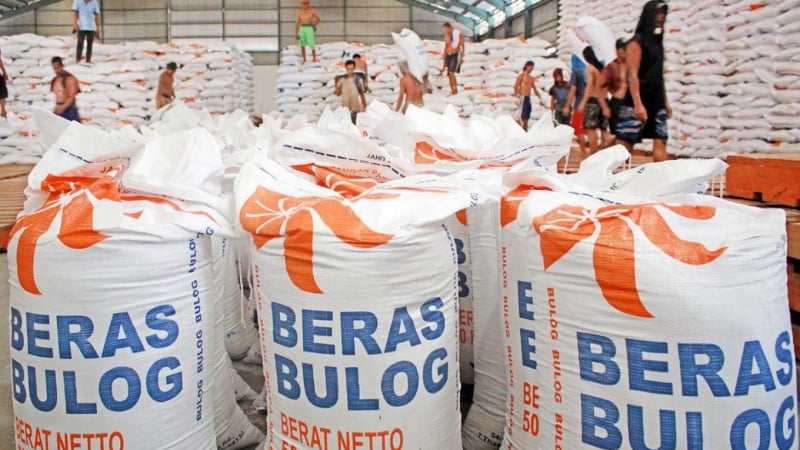
Indonesia is expanding rice-support programmes as higher domestic production and record government reserves reduce its reliance on imports. Citing the Vietnam Food Association, Dan Viet reported that the government distributed 7.75 million tonnes of rice from national reserves during 2023–2025 through price-stabilisation measures, food assistance, budget programmes and disaster relief.
Government stocks reached a record 5.2 million tonnes in June 2026, up from about 3.5 million tonnes at the end of 2025. Indonesian officials put the latest stock level at 5.2–5.3 million tonnes and said the available supply could cover domestic requirements until May 2027. The government plans to continue and expand support programmes in 2026, backed by strong purchases from domestic farmers.
The larger buffer is intended to limit the impact of a developing El Niño and help stabilise rice prices. Officials attribute the resilience of production to expanded planting areas, improved irrigation and policies introduced early in the growing cycle. On 24 June, Indonesia’s president said the country had recorded its highest rice and maize harvests since independence, highlighting efforts to improve access to fertiliser, irrigation and agricultural productivity.
Production estimates point to a substantial surplus
Two production figures appear in the source material and reflect different assessments. Indonesia’s 2026 rice balance projects production of 34.76 million tonnes against consumption of about 31.1 million tonnes, implying a sizeable surplus. The same balance forecasts year-end stocks of approximately 16.24 million tonnes, a measure broader than the government-held reserves reported for June.
Separately, the FAO Food Outlook report for June 2026 puts Indonesian rice production at 38 million tonnes. On that estimate, Indonesia is the world’s fourth-largest producer after India, China and Bangladesh, and the largest in Southeast Asia. FAO expects Indonesia to post the biggest production increase among leading producing countries, adding more than 4 million tonnes from the previous crop.
According to Dan Viet’s account of the FAO report, rising Indonesian stocks are also contributing to an increase in global rice inventories, which are expected to reach their second-highest level in a decade. For producers and processors inside Indonesia, government procurement and support programmes provide a large domestic outlet. For international suppliers, the same policies narrow access to a market that previously absorbed substantial import volumes.
Vietnam feels the trade impact
The change is already visible in Vietnam’s export data. During the first 11 months of 2024, Vietnam shipped 1,130,339 tonnes of rice worth $679 million to Indonesia. Volume increased by 6.2% and value by 10.4%, making Indonesia Vietnam’s second-largest rice export market in 2024.
In the first five months of 2025, however, shipments fell to 18,427 tonnes worth $8.23 million. Export volume declined by 97.28%, while value dropped by 98%. The contraction illustrates how quickly stronger Indonesian harvests and reserve accumulation can affect exporters that had expanded sales around the country’s earlier import requirements.
If domestic output and stocks remain high, Indonesian demand may stay limited and reduce pressure on global supplies. Vietnamese exporters and other regional sellers would then face stronger competition for alternative destinations. Weather remains the principal risk: a strong El Niño in 2026/27 could test production, but the record government reserve gives Indonesia more room to manage a crop disruption without immediately returning to large-scale purchases.