Indonesia’s rice output projected at 38.6 million tons in 2026/2027
Indonesia’s rice production is projected to rise to 38.6 million tons in 2026/2027, making it the world’s fourth-largest producer. The increase contrasts with projected pressure on global output and comes as government rice reserves reach 5.25 million tons.
Indonesia moves against the global trend
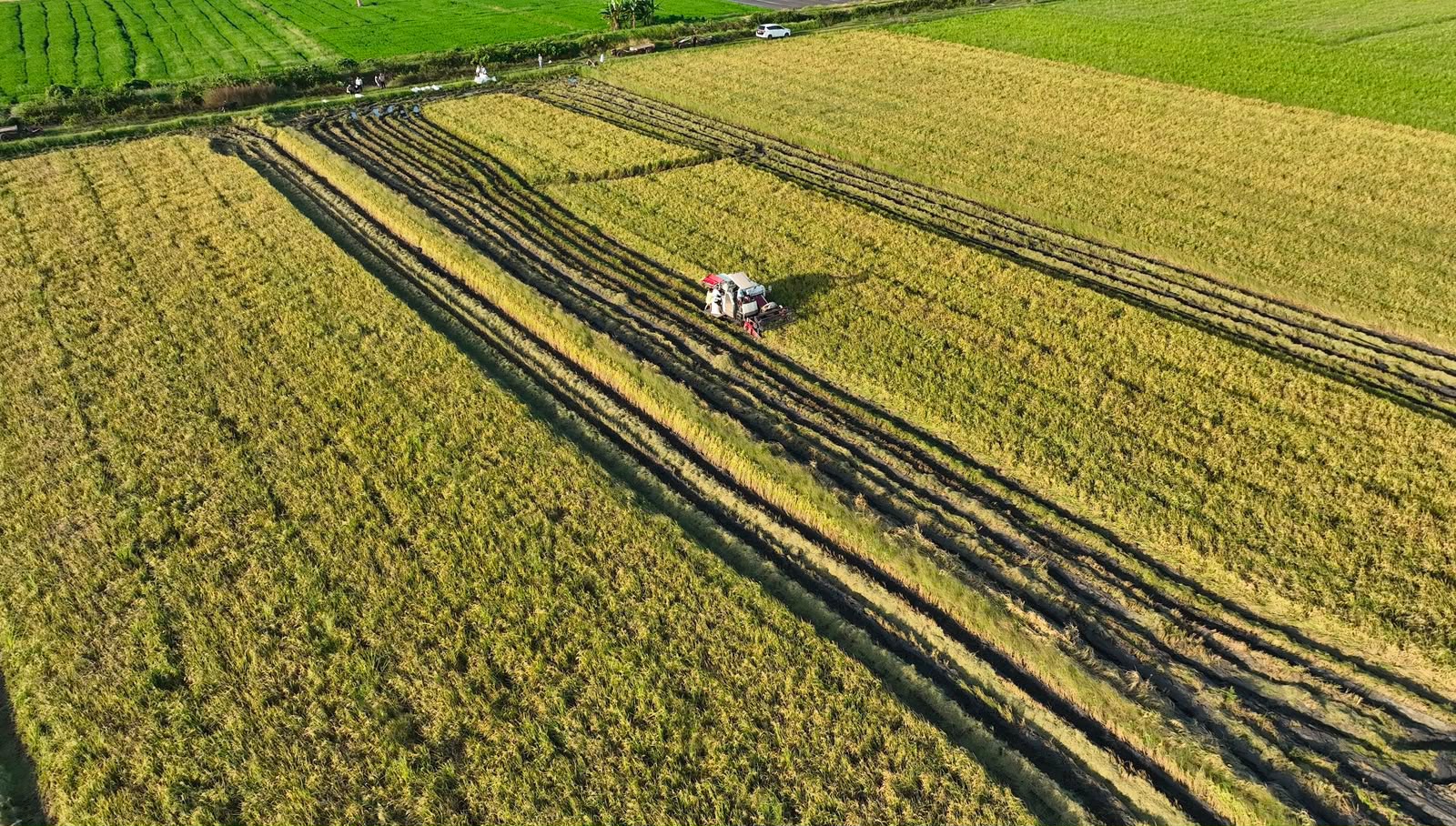
Indonesia’s rice production is projected to increase to 38.6 million tons in the 2026/2027 season, reinforcing its position as the world’s fourth-largest producer after India, China and Bangladesh. The forecast, reported by Okezone from the Food and Agriculture Organization’s Food Outlook, also keeps Indonesia ahead of other rice-producing countries in Southeast Asia.
The expansion contrasts with a projected decline in worldwide rice production to about 552.4 million tons in 2026/2027. Okezone said major producers including Thailand, the United States, Brazil and Cambodia are expected to face production pressure linked to climate conditions, declining farm profitability and reductions in planted area. Indonesia’s projected increase therefore stands out within a more difficult production environment for several competing origins.
Rice inventories strengthen
The production outlook is supported by several layers of domestic rice availability. By the end of July 2026, the Indonesian government estimated that standing paddy crops still in fields represented potential output equivalent to about 10 million tons of rice. Stocks held by households, mills, traders, processing industries and the hotel, restaurant and café sector were separately estimated at around 10 million tons.
Government Rice Reserves, known locally as CBP and managed by the state logistics agency Perum Bulog, had reached 5.25 million tons. Okezone described this as the highest level of government rice reserves in Indonesia’s history. The reported categories measure rice at different points in the supply chain and production cycle, so they should not necessarily be treated as a single combined inventory figure.
Import policy and food security
Agriculture Minister Amran Sulaiman linked the rise in production and reserves to government policies aimed at strengthening agriculture and national food security. He said Indonesia had moved from the El Niño conditions that forced the country to make large imports to a position where it had increased production, stopped medium-grade rice imports and was again moving toward self-sufficiency.
For producers and millers, the 38.6 million-ton forecast indicates a larger domestic raw-material base, while the 5.25 million tons held by Bulog gives the government a substantial buffer for market management. For traders, the suspension of medium-grade rice imports reduces near-term access for foreign suppliers to that segment of the Indonesian market. The outlook will still depend on whether standing crops convert into harvested supply and whether the climate, planted area and farm economics remain supportive through the 2026/2027 season.