Indonesia names 102 suspects in rice trade crackdown, targets fortified rice pricing
Indonesia's agriculture minister and National Food Agency head Andi Amran Sulaiman says 102 people have been named as suspects in rice-related cases, with about 25 companies referred for action over fortified rice sold at Rp57,000 per kilogram against a reference price of Rp13,000. Enforcement is running alongside market operations, food aid to 33.24 million people and an extra 1 million tonnes of stabilisation rice.
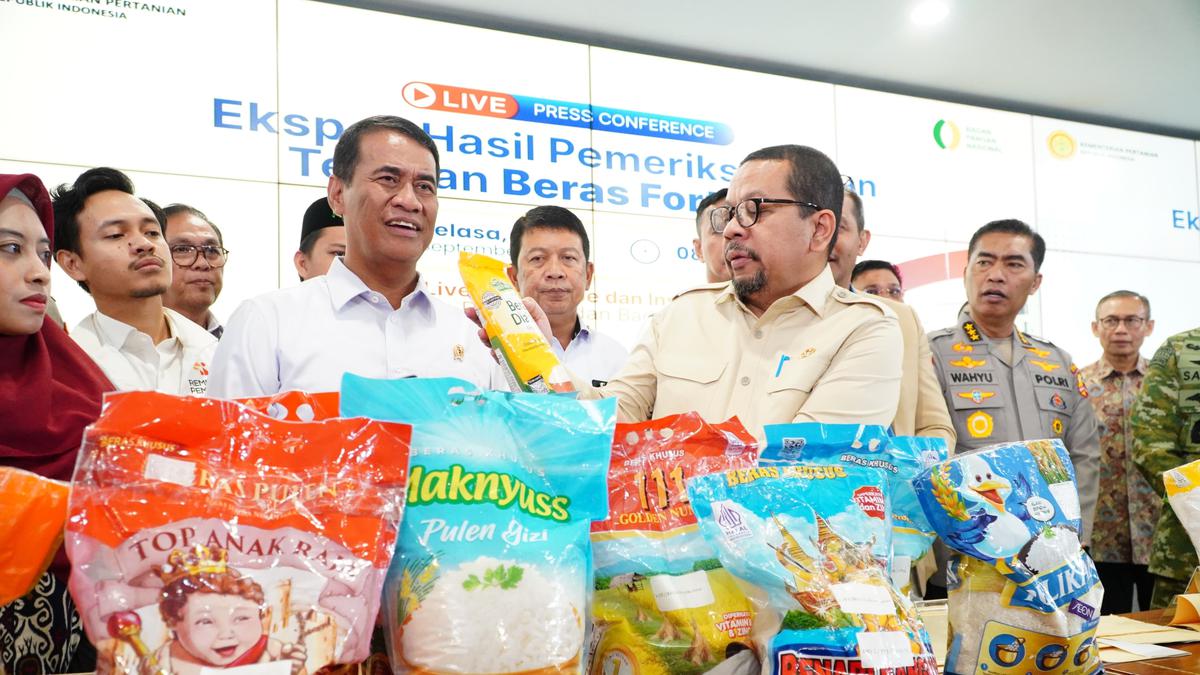
Indonesia has widened its legal campaign against manipulation in the domestic rice trade, with 102 people named as suspects in rice-related cases so far. Andi Amran Sulaiman, who serves as both Minister of Agriculture and head of the National Food Agency (Bapanas), said the government would take on anyone found to have violated rice trading rules.
“There is no room for the rice mafia in Indonesia. We are confronting them,” Amran said in Jakarta on Friday, in remarks reported by ANTARA and also carried by Liputan6.com. “There are 102 suspects. Up to this moment, for rice.”
The enforcement drive is running alongside supply-side measures intended to hold down consumer prices for the country's staple grain. It targets the trading layer between mills, distributors and retailers rather than production itself.
Fortified rice pricing at the centre of the latest case
The most recent strand of the investigation concerns fortified rice, where Amran described a gap between what he called the ideal price and the price actually charged. Fortified rice that should sell for Rp13,000 per kilogram was being offered at Rp57,000 per kilogram, he said — more than four times the reference level.
“There is a mafia, this is what is causing the uproar. Rp90 trillion was taken. It is the people's right. That is fraud,” Amran said, as quoted by ANTARA. “Imagine, the price of fortified rice ideally is Rp13,000 per kilogram, and they sell it at Rp57,000 per kilogram. Is that fair?”
Around 25 companies have been referred for follow-up action in the fortified rice case, according to both ANTARA and Liputan6.com. Neither report named the companies involved.
Licence revocation, moratorium, prosecution
Amran set out a three-stage enforcement ladder available to Bapanas: revocation of business licences, a moratorium, and referral to legal proceedings. Products found to be non-compliant can be withdrawn from circulation, while operators in breach of the rules face administrative sanctions up to prosecution.
“We have the right to order a revocation, because we head Bapanas. Under a moratorium the licence is revoked first. There are three processes: licence revocation, moratorium, legal process,” he said.
The reach into licensing matters for processors and traders, because an administrative suspension can halt shipments well before any court reaches a verdict.
Stocks above 4 million tonnes underpin the intervention
Alongside enforcement, the government is running market operations, distributing rice food aid and expanding the Food Supply and Price Stabilisation programme known as SPHP. Amran said rice aid is being distributed to 33.24 million people across Indonesia, and that an additional 1 million tonnes of SPHP rice has been allocated to stabilise prices.
National rice stocks stand at more than 4 million tonnes, according to Amran, giving the government room to intervene when market prices and supply require it. He said he expects the combination of stock and intervention to push consumer prices back down.
That stock position is central to his argument about market conduct. “In the past, if there was no stock, prices went up, right? Ah, the minister is at fault. Import. Now there is plenty of rice, so what is the reason? No imports, so what is the reason? It means there really has been a mafia all along. This has to be sorted out,” Amran said, in comments reported by ANTARA.
For rice millers, distributors and suppliers to state food programmes, the practical implication is a tighter compliance environment in a market where the government simultaneously controls a large buffer stock and the administrative tools to remove participants from the trade.