Indonesia Says Rice Import Halt Since 2025 Pushed World Prices Down to $368 a Tonne
Agriculture Minister Andi Amran Sulaiman said Indonesia has not imported rice since 2025 after reaching self-sufficiency, and that the withdrawal of one of the world's largest buyers pushed global prices from about $660 to $368 per tonne. He said farmers in Thailand, Vietnam, India and Pakistan are under pressure and have protested, and that Jakarta refused requests from foreign leaders to resume purchases, including one for 200,000 tonnes.
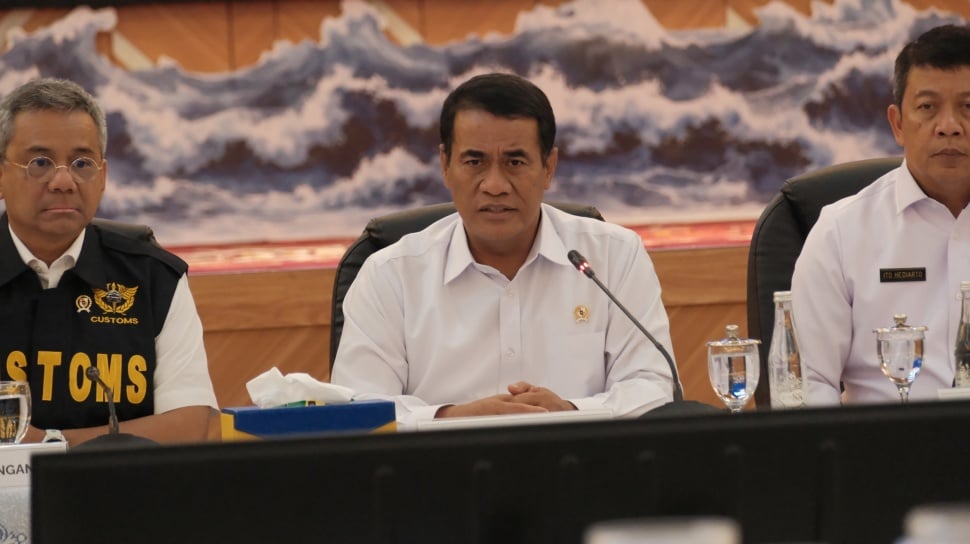
Indonesia has bought no rice on the world market since 2025, and the disappearance of one of the largest importing countries has pushed global prices sharply lower, Agriculture Minister and National Food Agency (Bapanas) head Andi Amran Sulaiman said in Jakarta on Tuesday, 22 September 2026. IDN Times reported the remarks, made at a press conference held at the Customs and Excise headquarters in the capital.
From top importer to zero purchases
Amran said Indonesia had ranked among the world's biggest rice importers before the policy shift. Purchases across 2023 and 2024 reached 7 million tonnes, according to the figure he cited. In 2025, he said, the country bought none. The government had been instructed to reach self-sufficiency within four years, he said, and reached it in one — an outcome he described as the fastest in the country's history and consistent with production data published by the Food and Agriculture Organization of the United Nations.
He tied the halt directly to conditions in supplying countries. Because there are no imports, farmers in the world's rice-exporting countries — Thailand, Vietnam, India, Pakistan and others — are certainly under pressure, even protesting, he said, according to IDN Times. The claim that foreign farmers have staged demonstrations also appeared in suara.com's account of the same remarks, which additionally reported the minister's assertion that the self-sufficiency record was acknowledged by the FAO.
The price claim
Amran said world rice prices had fallen from around $660 per tonne to $368 per tonne, a decline of roughly 44 percent, and attributed the move to Indonesia's absence from the import market. He set the international figures against retail comparisons, saying rice that had cost about 11,000 rupiah per kilogram now sells for about 5,000 rupiah, and elsewhere citing 11,000 to 12,000 rupiah for the import era.
- Rice imports in 2023–2024: 7 million tonnes
- World price cited: from about $660 per tonne to $368 per tonne
- Retail comparison cited: from about 11,000 rupiah per kilogram to about 5,000 rupiah per kilogram
Responding to domestic commentary that rice is cheaper in other countries, the minister said that is precisely because Indonesia does not import: when it did, the price was 11,000 or 12,000 rupiah, and now it has come down.
Exporting nations press Jakarta to resume buying
Several foreign leaders approached President Prabowo Subianto to ask that Indonesia resume purchases from their countries, Amran said. One request was for as little as 200,000 tonnes. The government did not agree, he said, because it weighed the position of domestic farmers.
Amran argued that resuming imports would reduce Indonesian farmers' incentive to produce. The refusal of a 200,000-tonne order is a small volume set against the 7 million tonnes Indonesia bought in the two preceding years, but it signals that the policy is not being treated as negotiable at the margin.
What the account does not settle
The material rests on the minister's own statements at a single press conference. Neither IDN Times nor suara.com publishes an independent price series, and the reports do not specify the grade, origin or benchmark behind the $660 and $368 figures, nor the period over which the fall occurred. The exporting countries where farmers protested are not individually identified beyond the list of major suppliers, and the leaders said to have requested renewed purchases are not named.
For producers, traders and importers, the operative facts in the account are the volumes and the stated policy line: 7 million tonnes of import demand withdrawn from the market across 2023 and 2024, no purchases in 2025, and a refusal of even a 200,000-tonne request from a foreign government.