Indonesia Reviews Proposal to Add Sugar to Food-Aid Program
Indonesia’s government is reviewing a proposal to include sugar in its food-aid program, Liputan6 reports. Sugarcane growers say the measure could support the domestic market and improve farmer welfare, but no implementation details have been announced.
Government studies sugar proposal
Indonesia’s government is still reviewing a proposal to include sugar in its food-aid program, according to Liputan6. The available report does not identify a decision date, a planned distribution volume, a budget or the categories of households that could receive sugar. The proposal therefore remains under consideration rather than an approved procurement program.
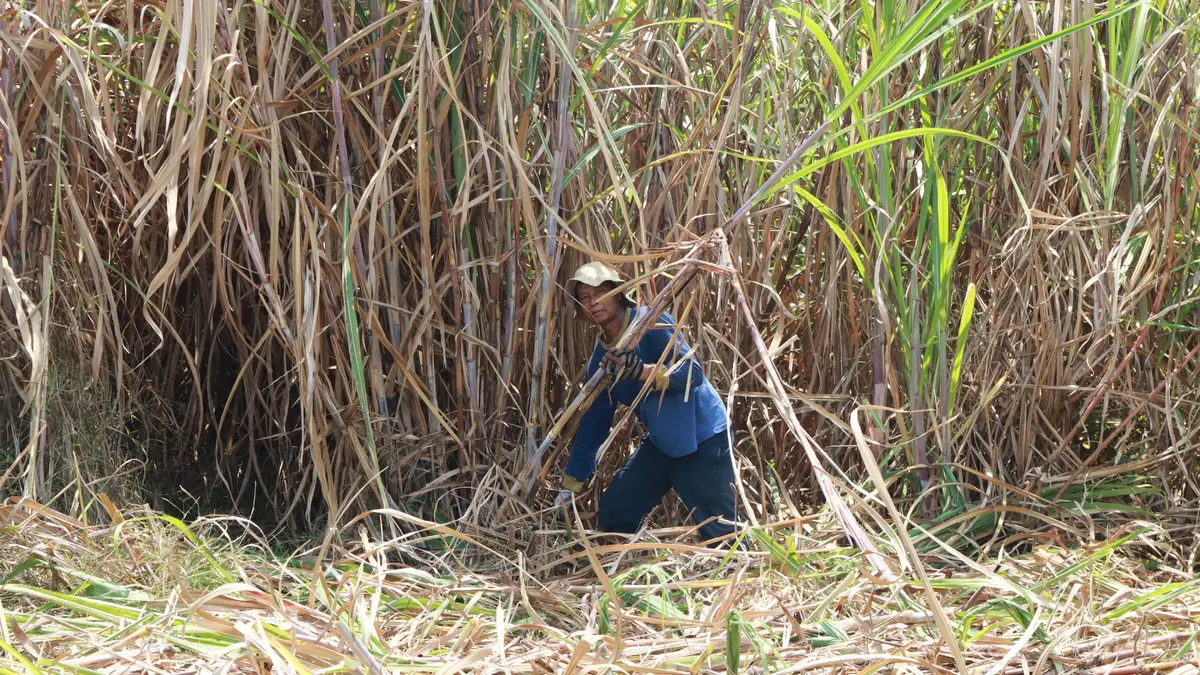
Sugarcane farmers support the idea because they believe it could help maintain the domestic sugar market and improve farmer welfare, Liputan6 reports. Adding sugar to food assistance would create a public channel for distributing the commodity. Its actual effect, however, would depend on the volume purchased, the timing of procurement and the rules used to select suppliers.
Potential support for domestic demand
For the sugar industry, the proposal is primarily a demand-support measure. Purchases linked to food aid could provide an additional outlet for sugar and may be especially relevant when growers and processors need predictable buyers. A defined procurement schedule could also give mills, traders and farming groups clearer information about expected demand.
The impact on cane-grower income would not be automatic. It would depend on whether program purchases use domestically produced sugar, how procurement prices are established and how much of the value reaches farmers. If purchases are small or irregular, the effect on the wider market may be limited. If the program becomes a substantial and recurring buyer, it could influence sales planning across the domestic supply chain.
Key details remain unresolved
The report provides no information on sourcing requirements, procurement prices, quality standards, participating agencies or the duration of the proposed measure. Those details would determine which market participants benefit. Direct purchases from farmer organizations, procurement through mills and purchases from traders would distribute the commercial gains differently.
Trade implications also cannot yet be assessed because no sourcing policy has been disclosed. A domestic-purchase requirement could direct demand toward Indonesian cane growers and processors. A system allowing imported sugar would have a different effect on local producers, traders and importers. Until the government sets the program’s scale and sourcing rules, the proposal should be viewed as a possible demand mechanism rather than a confirmed change in Indonesia’s sugar balance.